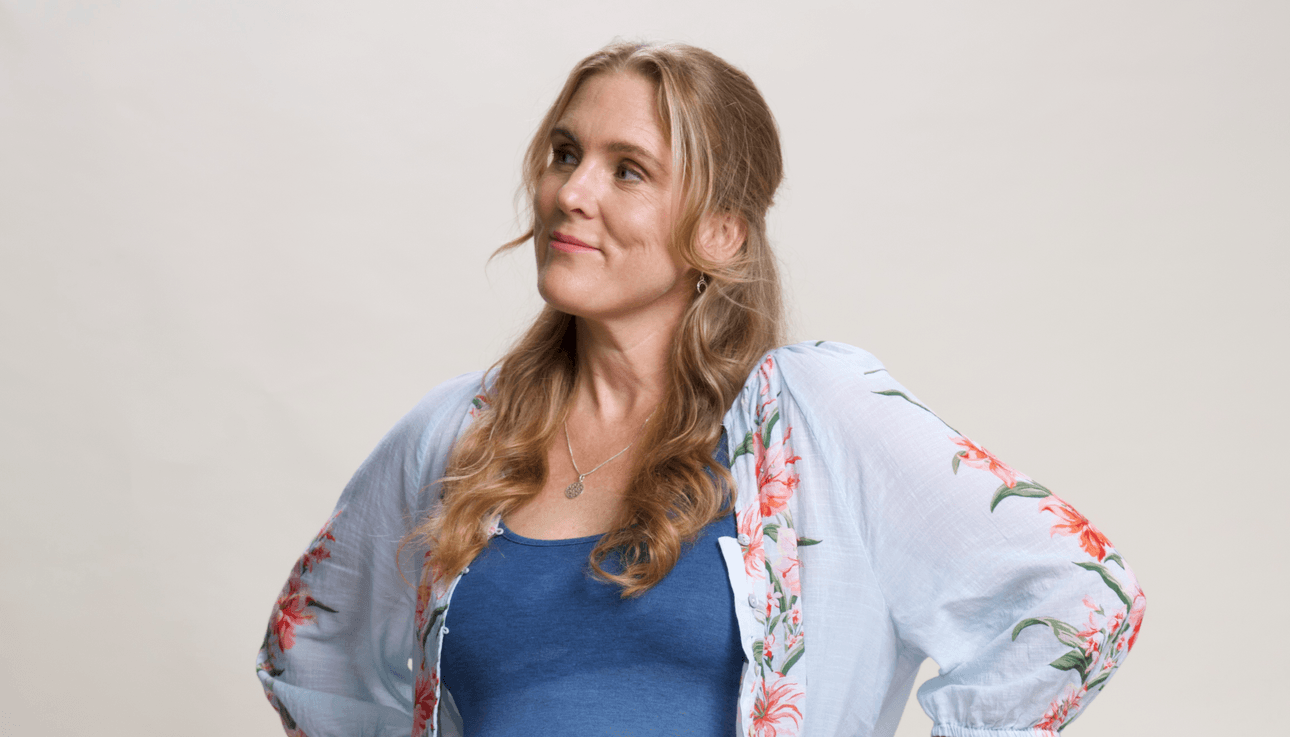


Two years after she stole the show at the 2024 Paris Olympics, Raygun tells her story in a new Netflix documentary.
“It still feels surreal to me,” Rachael Gunn says in the opening moments of Untold: Raygun Breaking Badly. Gunn is in Taipei, preparing to compete in her first break dance battle since she became a worldwide internet phenomenon at the 2024 Paris Olympics. Many months after she first kangaroo-hopped into infamy, Gunn is still perplexed about why everyone became so obsessed with her. “It’s like I’ve been charged with some sort of crime. What is happening? What the fuck did I do?”
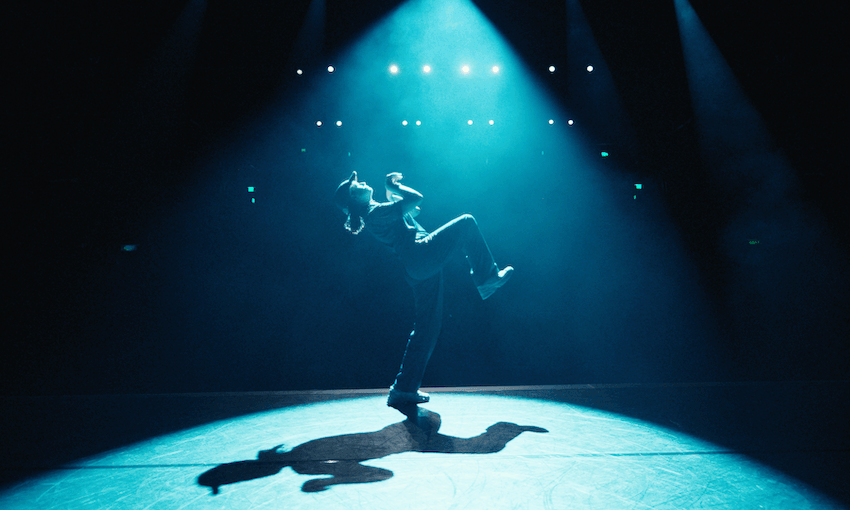
You’d be hard pushed to find any human and/or kangaroo who doesn’t know exactly what Raygun, Gunn’s dance alter ego, did that day in Paris, but just in case: Raygun was the Australian breakdancer who took to the Olympic stage in her green and gold tracksuit and unleashed a series of unusual moves. It was the first time breaking had featured at the Olympics, and in a dance battle against the then-world champion Nicka, Raygun did the sprinkler and the kangaroo hop. The world could not stop talking about it, and the latest episode of Netflix’s Untold sports documentary series gives Raygun the chance to tell her side of the story.

Initially, the documentary feels a bit like satire. There’s lots of vintage photos of Gunn and her coach-turned-husband Samuel Free, whose dance name is Sammy Sex. The pair met while working in a call centre selling Proactiv skin care products. “Sammy opened up my world,” Gunn recalls, describing how Free introduced her to competitive break battles. Breaking originated in Black and Latino communities in America during the 1970s, but Gunn – a white Australian academic – admired the way it broke gender rules. Women could dance like men, she says, which meant she could “rebel against feminine confines”.
Gunn and Free are an intriguing, quirky couple who clearly love each other as much as they love posing and freezing, but we also hear from Gunn’s parents Russell and Beverly, who crack up laughing when they’re asked if they ever thought their daughter would be an Olympian. We meet Tinylocks and Flix, two of Raygun’s b-girl competitors who diplomatically critique Raygun’s talent (“it’s different to how I dance, it’s different to how a lot of people dance,” says Flix). There’s also Australian Olympic breaking head coach Lowe, who admits he didn’t see Gunn in the weeks leading up to the Games, and only a “handful” of times overall.
Mostly, the story is told from Gunn’s perspective – how she grew to love breaking so much she wrote a PhD on it, how she won the first-ever breaking Oceania qualifying event (contrary to popular rumour, Sammy Sex wasn’t on the judging panel). With only eight months until Paris and no guidelines on how to train for the Olympics, Gunn quickly realised she was out of her depth. She practiced at night in a random courthouse, she missed a flight which caused her to miss a vital competition, she didn’t seem to be able to spin on her head. She was so unprepared that even Lowe said she was “training to lose”. Why then, didn’t she quit? “I didn’t want to have regrets.”

The biggest bombshell comes when Gunn reveals she knew exactly what she was doing when she kangaroo-hopped around the Olympic stage. Aware that she wasn’t good enough to win a preliminary battle, let alone a medal, Gunn and Free devised new choreography inspired by Australian culture: the swimming stroke, the sprinkler, the kangaroo hop. They hoped that by ditching breaking traditions in favour of original, memorable moves, they’d impress the judges enough to earn a single vote. With one battle remaining, Gunn wanted to be noticed. “I’m going to do some weird stuff,” she warned Lowe.
Raygun turned on the sprinkler, and the world immediately “freaked out” – apart from Sammy Sex, of course. “It was the best performance I’ve seen her do,” Free remembers. He’s unfailingly supportive of his wife, but was this really the victory for self-expression and individuality that they claim? Was there no other option than to lie on the ground and pretend to swim? Were they naive about what performing at the Olympics represented, and what impact did Raygun have on breaking itself?
Untold isn’t interested in answering these types of questions, and the documentary doesn’t go deep when it needs to. Instead, it simply wants to tell a bloody good yarn. Two years on, Raygun has framed her story as one of a woman who never expected to be an Olympian, an underdog who overcame adversity and did things her own way. There’s no doubt Untold is an entertaining documentary, full of insight and emotion – but it’s also missing a more critical analysis of the fallout that took place that Olympic summer and its relation to gender, culture and colonisation. Much like a grown woman hopping like a kangaroo, Untold: Raygun Breaking Badly is a wild watch that will leave you with far more questions than answers.
Untold: Raygun Breaking Badly streams on Netflix.