What we saw at Whānau Mārama New Zealand International Film Festival this week

Slices of life, the Belgian care system, a ‘divisive’ new Cronenberg and more – reviewed.
Read reviews from week one and week two.
Baby
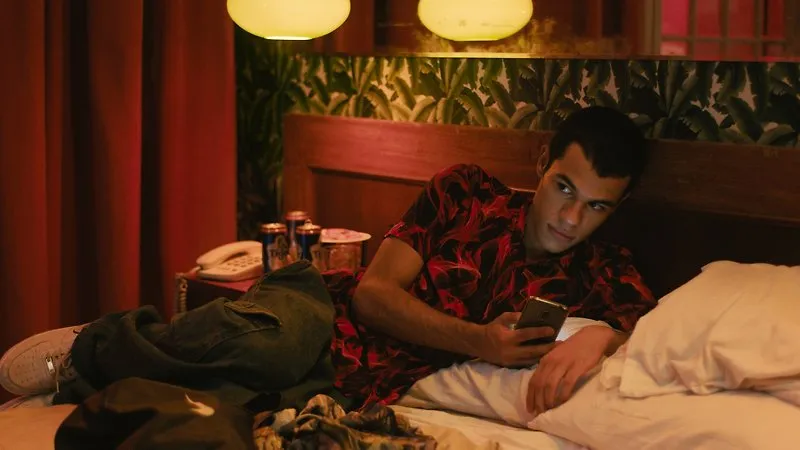
Who doesn’t love a slice of life film? Sometimes the best cinema is truly those which invite a little peek into a life far away from ours, especially if that character’s perspective reflects an incredibly unique slice of life. In Baby, recently freed juvenile detention prisoner Wellington (João Pedro Mariano) finds solace in Ronaldo (Ricardo Teodoro), an escort he meets at a porn theatre who brings him into his fold.
Their friendship and subsequent romance toes the line on exploitation and loneliness, but it’s the way this connection is told that makes the most impact: thorough shots dipping between sheets hung up on the clothes line, watching Wellington and Ronaldo dance together on a rooftop, or sitting with them in the still, soft-hearted moments. Baby is incredibly effective with that cinéma vérité style, making every moment feel tender and raw, even if your heart can’t quite support all of Wellington’s mischiefs. / Lyric Waiwiri-Smith
Cactus Pears
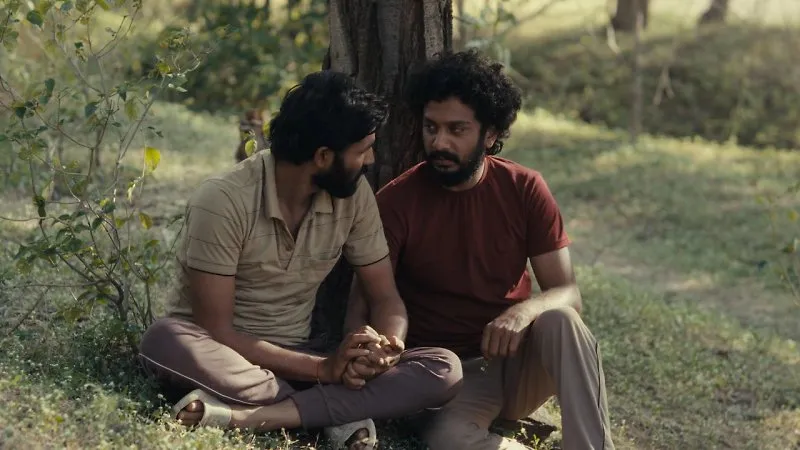
Cactus Pears is a slow, sad movie about Anand (Bushaan Manoj), a gay man, returning to his family’s home village following his father’s death. Despite some issues – a problem with alcohol is hinted at – his dad was loving, and accepted Anand’s sexuality and desire not to get married to a woman. In the village, Ananda connects with his childhood friend Balya (Suraaj Suman), who has some casual work as a farmhand. Together, they herd goats, reminisce about climbing mango trees, go swimming and slowly (maybe too slowly), a tender crush blossoms between them.
There’s a lot these men can’t say: their references to their sexuality and class difference are oblique. Working in Mumbai and with some education, Anand makes much more money than Balya, yet you get the sense that his call-centre job is numbing and corrosive, dismissed as “selling things to foreigners”.
The sound design and setting of the film is lovely: lots of shots of dry hills and still ponds in the Indian state of Maharashtra. There are limitations to the film, too: loosely based on director Rohan Parashuram Kanawade’s experiences after his father’s death, the movie seemed unable to see things through Balya’s eyes, who remains enigmatic. In the end, it is Balya’s action that leads to a semi-happy resolution, but he must sacrifice his village, his goats and cows and river to do so, leaving a question mark over the plot. Overall, though, Cactus Pears is a testament to the power of touch to heal and connect us to each other. / Shanti Mathias
The Shrouds
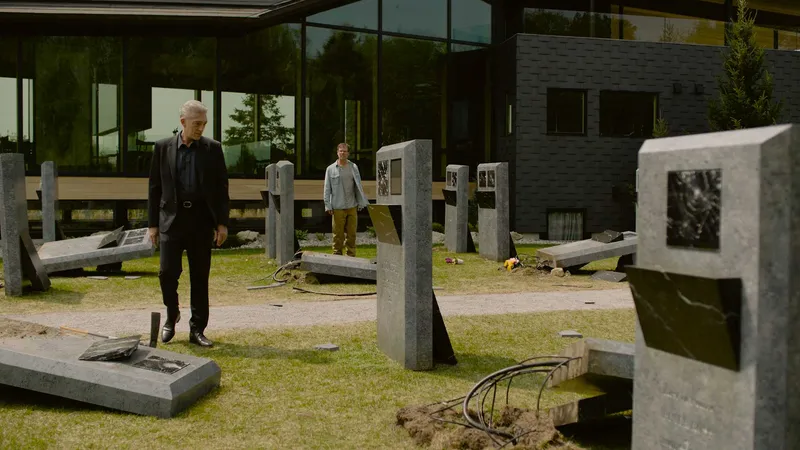
David Cronenberg’s latest work is a “divisive” addition to the filmmaker’s catalogue of philosophical body horrors, NZIFF artistic director Paolo Bertolin warned the audience at The Embassy. That was putting it lightly – The Shrouds is an uncomfortable horny slow-burn of a film, made even more unsettling when you remember the desperate grief displayed by protagonist Karsh (Vincent Cassel) and his obsession with seeing his wife’s decaying body is in some ways inspired by Cronenberg’s own loss of his wife.
The Shrouds makes paranoia its specialty, finding villains in those most trusted and those unseen. But all the ideas, twists and turns are slightly dizzying, and though the stiff dialogue and performances are almost definitely meant to be representative of the way grief can make us feel hollow, it sucks a lot of life out of the film as well. Pair that with the shots of Karsh’s self-driving Tesla and his GraveTech app, and it begins to appear more like a dystopian advertisement.
Maybe that’s the point? Grief is the most soul-sucking thing in the world, but it can also invite us to find some heart – in The Shrouds, however, it is a one-way ticket to endless despair, distrust and using another woman’s body to get over the one you lost. / LWS
Young Mothers
Young Mothers is about five (well, mostly four) teen mothers, each has some degree of a difficult relationship with their family, living together at a care home in Belgium, puzzling out how to live with their new babies. The film flicks between each of their lives: Jessica, the youngest, was raised in care, and is determined to have and keep her own baby to make a different choice to her mother. Julie and her boyfriend Lucas were living on the streets and using drugs. They’re now committed to getting married and making a new life, but it isn’t as easy as they hope. Perla’s mother was an alcoholic, and her boyfriend has just left juvenile detention. She’s determined not to be a single mum, but she’s also so, so angry. Ariane, my favourite, loves her mother deeply – but can’t trust that her mum has left behind her violent and abusive relationship.
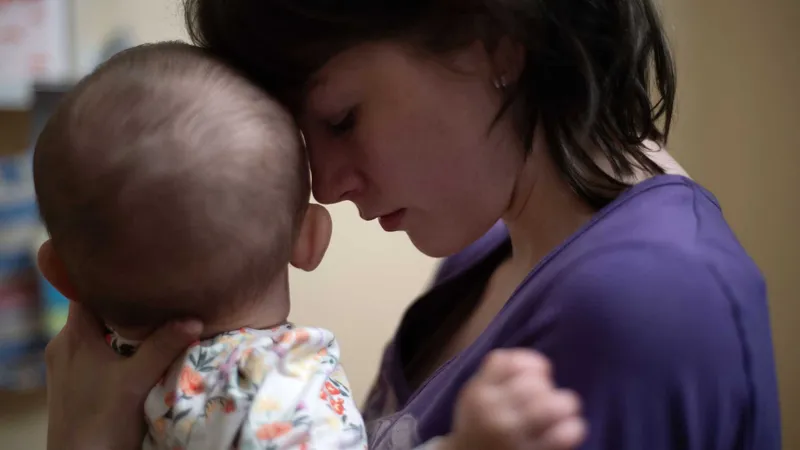
Having and caring for a baby is the stuff of life, inherently dramatic. I couldn’t quite decide, though, whether I liked Young Mothers’ approach. It felt more like a film about the Belgian care system, giving each of these children and their children somewhere to go. Each character had agency, and the film wasn’t afraid to show the four mothers making choices that were unsafe for themselves and their children, even if the resolution was ultimately hopeful. The film’s realism – long pauses, a very limited soundtrack, lots of messy phone calls and young women manipulating strollers onto the bus – rang true, even if the issues each mum was dealing with seemed like a menu of “bad things which could lead to having kids young”. Multiple scenes brought tears to my eyes, but I wished they’d lingered more on the interactions between the mothers, rather than individual journeys to overcome trauma. Perhaps the most lovely scene is when Perla, desperate to get her boyfriend back, asks Ariane to look after her son. Ariane knows, and perhaps Perla knows too, that this is a doomed enterprise. With lingering shots of a baby monitor, a phone call, doors opening and closing, the babies are laid down to sleep. The film trusts they are safe, and so does the audience. / SM
Urchin
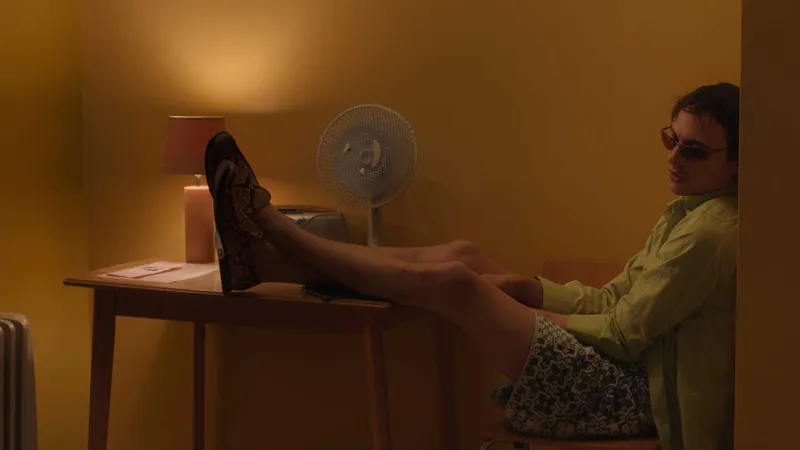
There were several moments in Urchin where the fellow next to me put his head in his hands and audibly tut-tutted at the relentlessly self-destructive behaviour of Mike, the film’s young protagonist played by Frank Dillane. After living on the streets for five years in the throes of drug and alcohol addiction, Mike once again finds himself in prison after a desperate act of violence, and sets about on an extremely wonky version of going straight. The directing debut of actor Harris Dickinson (Babygirl, Triangle of Sadness), Urchin feels like a mish-mash of kitchen sink Ken Loach themes, Safdie Brothers slow zooms and buzzy Ari Aster setpieces. Dillane is frequently captivating with his guileless, Edward Scissorhands energy, but the film ultimately felt uneven and non-commital towards the subject matter, scratching the surface of system failures but never going much deeper. I did like the use of Atomic Kitten, mind you. / Alex Casey


