Review: In Mārama, the greatest horror is always colonisation

Mārama. (Photo: Supplied)
Taratoa Stappard’s Māori gothic horror film seeks to personify the worst of Aotearoa’s colonial history in a way that’s never been done before.
Mary Stephens (Ariāna Osborne) knows there’s something off about Hawkser Manor and the whaling magnate master of the house. Here in this seaside English town to meet the man behind a mysterious letter, Mary quickly realises she’s left her Aotearoa under false pretenses. The wharenui in the backyard, violent memories that come back in flashes, the white man who wears tā moko – they’re the tohu of a bad moon rising.
Mārama, the directorial debut of Taratoa Stappard, is the kind of gothic horror film that chills to the bone. But it’s not gore, bloodshed or cheap thrills that Stappard relies on to draw out the tension between Mary and Nathaniel Cole (Toby Stephens) and create that sinkhole of unease in the viewer’s stomach.
Rather, it’s the latter’s violent subversion of Māori culture that is the nightmare haunting this narrative. Having lured Mary into his orbit by waxing lyrical in te reo Māori spoken with an English accent, Cole reveals the man Mary is hoping to meet, Boyd, is nowhere to be found. Instead, Cole asks our protagonist to become a governess to his daughter Anne (Evelyn Towersey), to provide “the care of a good wahine”.
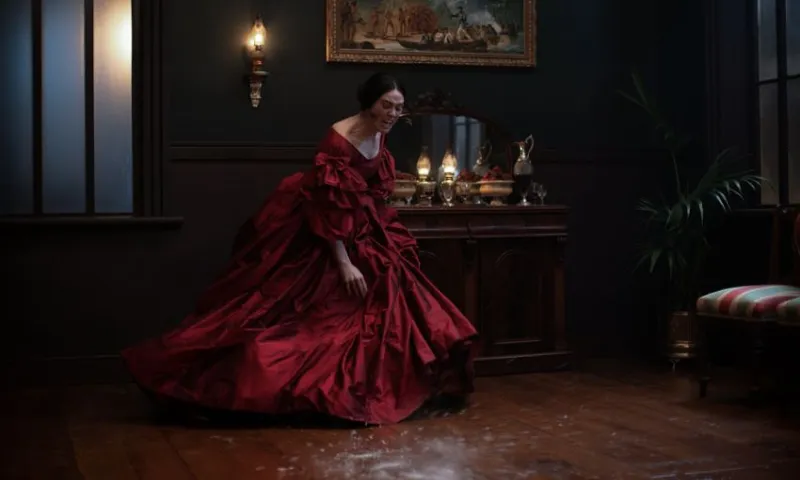
It’s 1859 in colonial England, and despite Mary’s headstrong nature, light skin and ability to speak both English and French, she feels she has no choice but to accept Cole’s offer. In this darkened manor, where taonga and toi Māori adorn the hallways, Mary faces the truth: the deep fascination these Pākehā have with her Māoridom is actually more akin to oppressive cultural fetishisation than anything resembling appreciation.
There are more horrors around the hallways for Mary and the viewer to discover, with flashes from the past and present providing more clues to the real reason she’s been summoned here. The film’s peak comes after a ballroom scene, where Mary realises it’s not just Māori taonga that these Brits can’t keep their hands off. It’s Māori as a whole, caricatured as the savages of a mighty warrior race, and in particular the wāhine whom these colonialists want to conquer.
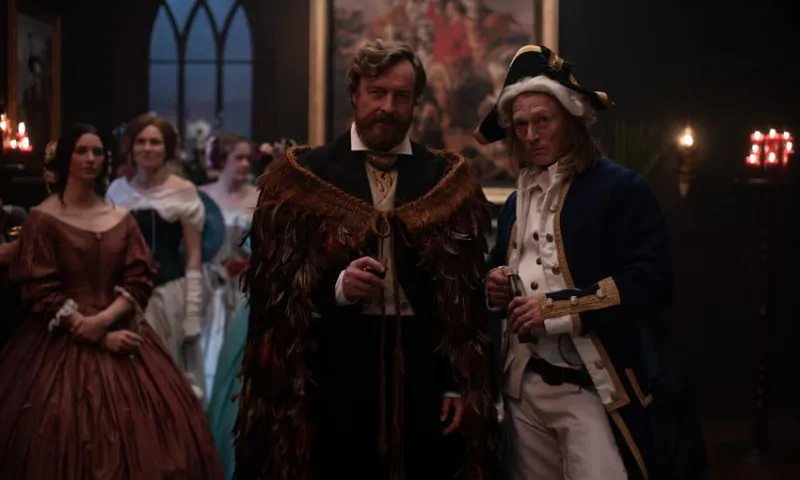
The scene is a harrowing reminder of how racism robbed Māori of their selfhood in an attempt to reduce them to a parody. It’s a hard kick in the stomach to watch if you actually are Māori. But in the end, a bloody faceoff sees Mary manage to turn domination into redemption, delivering to her oppressors the same fate they had forced upon her whānau. The mana that comes through in Osborne’s performance almost takes your breath away.
Mārama is a masterclass in modern Māori storytelling, but at the same time, it’s not a wholly original concept. Mārama follows a long line of Māori-centred films set during our colonial history which paints colonisation (accurately) as the villain.
But, in all of its gothic glory, Mārama departs from its predecessors with the risks it takes to carve out its own genre and artistic flair. It imagines a new way to explore an age-old trope that has been flogged to death, and sets a high bar for where Māori filmmaking can go next, whether that be in the horror genre or through fantasy, sci-fi or even romance.
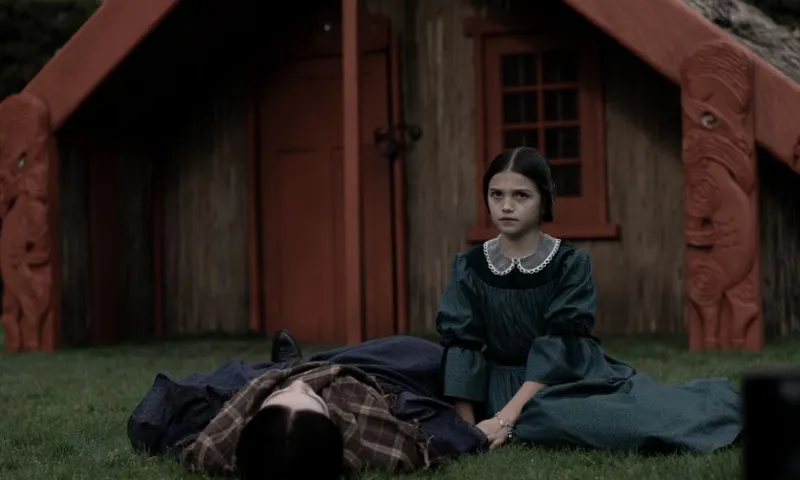
It’s almost funny that this film should arrive in cinemas a week after deputy prime minister David Seymour claimed, on the eve of Waitangi Day, that colonisation was good for us on the whole. We know intergenerational trauma is a scientifically backed phenomenon, yet apparently we can excuse the impacts of 186 years of colonial abuse as being worth it for the sake of Māori now being able to work 9-5 and still make up the worst of our justice, health and socio-economic statistics.
But Mārama imagines a world in which Māori – particularly wāhine Māori, sexualised as fruits not forbidden, but purely for the taking – are able to spit in the face of their oppressor and reclaim their mana motuhake. Forget Wuthering Heights – this is the masterpiece gothic film you should be checking out this week. And there are actually brown actors in it.

Lyric Waiwiri-Smith
Lyric is an award-nominated politics reporter at The Spinoff. She covers parliament from the press gallery, pens the weekly column One MP, One Pint and is endlessly curious about what makes our decision-makers tick. Off the clock, Lyric loves a live gig, a cold brew, and being a Wellingtonian (on a good day).


