How New Zealand fell in love with the black puffer jacket

Alex Casey unearths the once intrepid history of the puffer jacket in Aotearoa.
It is a brisk Sunday afternoon in Christchurch’s Arts Centre, and everywhere you look locals have deployed their strongest defences against the whistling southerly. The white-haired couple sipping cappuccinos inside Lumiere are in black puffer jackets, the toddler sitting outside Frances Nation cafe is in a black puffer jacket, and the journalist floating around taking note of all the black puffer jackets is also in a black puffer jacket. In fact, about the only person not wearing a black puffer jacket is Dimitris of Dimitris, behind the grill in a royal blue T-shirt.
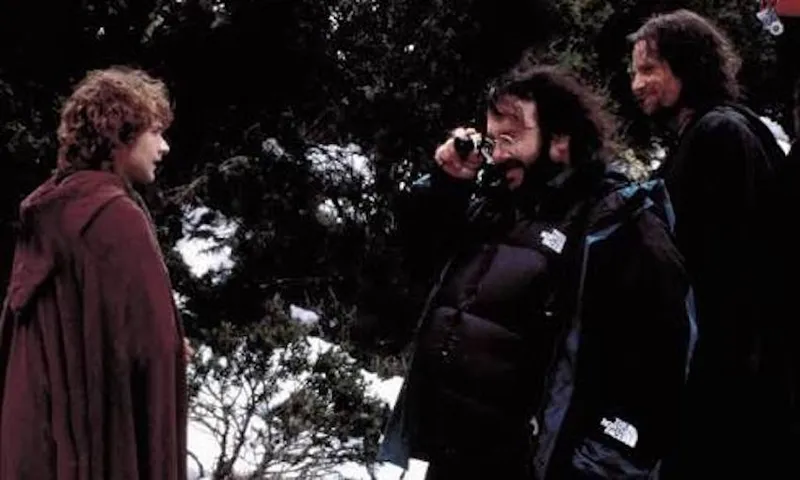
Of course, it is not just Cantabrians donning this particularly pillowy armour over the chilly months. Whether it’s parents on the sidelines at Saturday sport or business folk chucking on a lightweight layer in the CBD, the black puffer jacket is a New Zealand staple. It’s not just for normies either – Jacinda Ardern wore a black Macpac puffer while visiting a Wairarapa dairy farm, Harry and Meghan shared a black Norrøna puffer at the Redwoods, and Peter Jackson appeared to wear his North Face Nupte for the entire Lord of the Rings shoot.
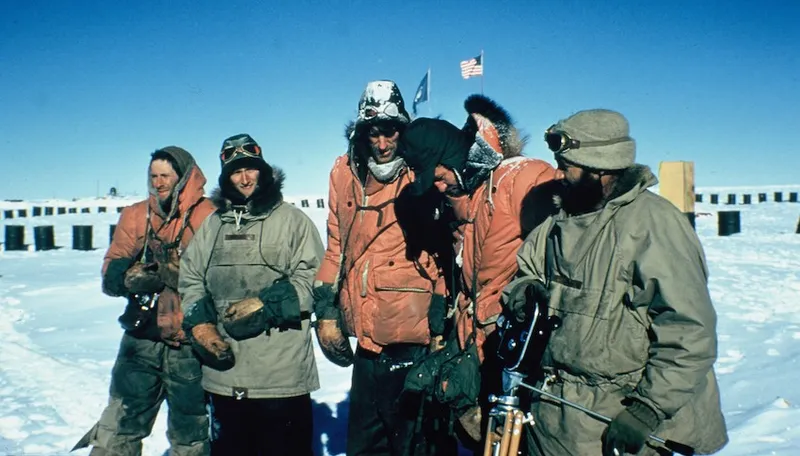
Perhaps it should come as no surprise, then, that the first down jacket ever made in this country can be traced back to another celebrated New Zealander. Fresh off Everest in the mid-1950s, Sir Edmund Hillary was preparing for his 1956 expedition to the South Pole when he asked Roland ‘Roly’ Ellis, founder of local mattress and sleeping bag company Fairydown, to make specialist polar jackets for the trip. “Roly would just have said ‘oh, we can make those’,” his grandson David Ellis recalls. “‘Simple as anything – just sleeping bags with sleeves’.”
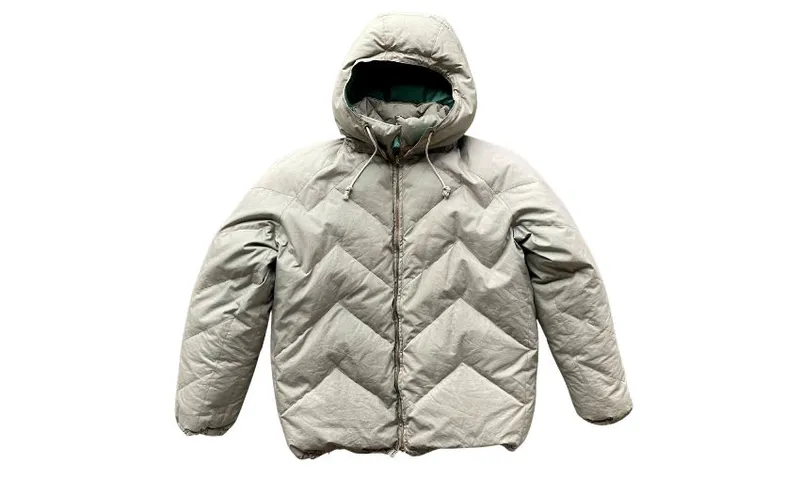
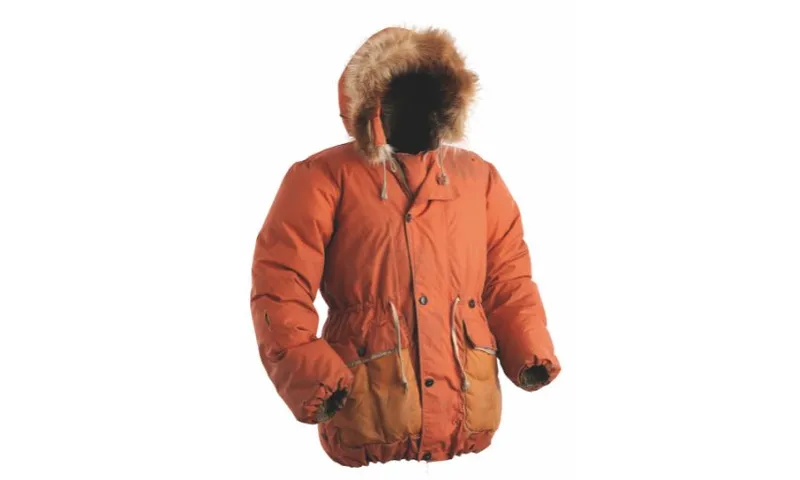
Although the construction was slightly more complicated in reality, including chevron-stitched duck down filling, ventile windproof cover and hood lined with wolverine fur, those so-called sleeping bags with sleeves made history when they warmed Hillary and his team on their history-making mission to the South Pole. “They were probably the first down jackets that were ever made here,” says Ellis, now the founder of Christchurch-based outdoors brand Earth Sea Sky. “So when they got back, obviously everybody was interested.”
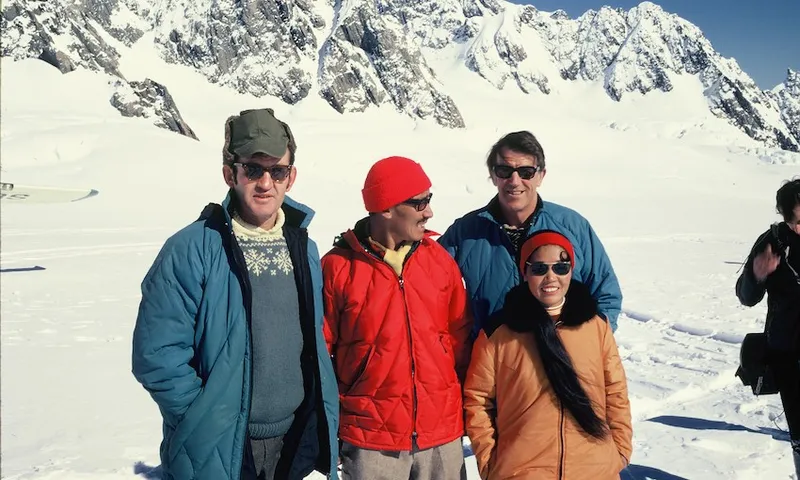
But with these specialist polar jackets “ridiculous, just too warm” for the New Zealand climate, Ellis’ grandfather chose a “small hand-picked group of very good machinists” from Fairydown to start making more wearable down jackets under the label Elco. Ellis, who has his own personal library of 20 archival down-filled jackets including one from the South Pole expedition, says the early Elco jackets were about as durable as they come. “Plenty of those jackets that were made in the 50s and early 60s are still around today, and they’re good as gold apart from the zip.”
Notably, these archival down-filled jackets embraced an array of bright colours. The polar jackets worn by Hillary were “international orange” for safety reasons, Elco jackets in the 50s and 60s were a distinctive shade of green and later blue and red, and Fairydown jackets in the 80s and 90s were renowned for their bright, cheerful hues. “Black was forbidden back then, because we’re talking about people who are out in nature here,” says Ellis. “These people didn’t want to wear black, because they wanted to stand out a bit from the rocks.”
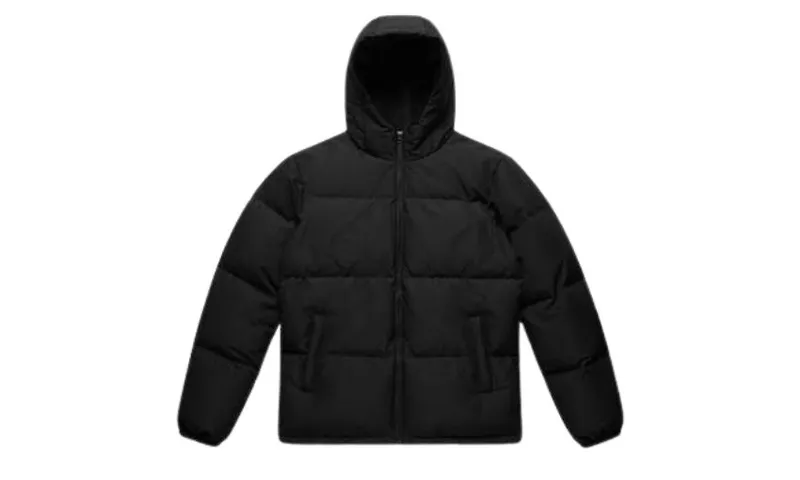
The silhouettes also weren’t as voluminous as what we are used to today. “I don’t like the puffy look of puffer jackets, because it just looks like a Michelin man,” says Ellis. But in the ‘90s and 2000s, with outdoor titans like Kathmandu and Macpac opening stores and streetwear brands like Huffer arriving on the scene, the puffer jacket range diversified and the level of puff increased. “I don’t know exactly when the preference also turned to black, that was more the streetwear influence,” says Ellis. “But now we all look like Michelin men going to a funeral.”
But which New Zealand centre is the puffiest and most funereal of all? Brands like Kathmandu and Macpac couldn’t provide any data on where their black puffer sales are strongest, but secondhand resellers and fashionistas alike offered some insights into which jackets are prevailing this winter. Rose at Crushes in Auckland says that bomber jackets are dominating in our biggest city – “denim, leather or canvas, but never puffed” and my colleague Emma Gleason notes the recent rise of the “versatile and classic” trench coat in the city of sails.
Puffers still remain in the top five outwear picks for Aucklanders, adds Gleason. “Ours arrive later than elsewhere in the country… Very popular with students, mums, young men and anyone going to a sports game or the supermarket.”
Perhaps due to its wild weather requiring slightly more resilient materials than duck down, Wellington is also less “puffer-centric” according to my colleagues in the capital. “I would say the dominant Wellington jacket is a long coat, with puffer jackets and leather jackets in a close tied-second,” says Lyric Waiwiri-Smith. “Puffer jackets are very much a Hutt Valley thing, but in Welly City everyone’s got their coats on.” Reporting from the Saturday morning soccer pitch, Claire Mabey notes “a real mix” of tailored wool coats and puffer jackets on display.
As you move further down the country and temperatures plummet, the puff becomes more plentiful. “It’s been a fixture of our fashion scene since puffer jackets really blew up in the mid 2000s, and I think it’s firmly held its place,” says Rosie from Nifty in Christchurch, who still thinks fondly of the black Kathmandu puffer she got for her 14th birthday and wore in every Bebo photo. “I didn’t even realise the puffer was geographically-specific until a friend from Wellington told me that no one wears a puffer jacket there like they do down here.”
It’s a similar story in Dunedin, where Taylor from Finders Keepers Boutique says that while the “classic thick wool coat” puts up a good fight, the puffer prevails. “Because we have so many Otago uni students out and about, I feel the puffer is an absolute staple, not only for the students but also people keeping active during winter,” she says. “Due to our location and being close to the sea, it’s going to continue being a dominant style.” She always sells out of their pre-loved puffers quickly, often to ill-equipped tourists after getting their first taste of the local weather.
Seventy years since the first puffer was crafted on our shores, it doesn’t look like they are going anywhere, anytime soon. Data provided by Trade Me shows that between 2024 and 2025 alone there was a 77% increase in puffer jacket listings. “There’s always a certain number of people that will like them, because they are extremely warm, soft and cuddly,” says Ellis from Earth Sea Sky. “People appreciate the warmth of down, but these days there are so many cheaply-made puffer jackets that are so thin you could spit rice through them.”
And although puffers have their origins with Hillary and his adventures, Ellis warns against physical exertion in a down jacket this winter. “If you put on a down jacket and you sit there like a duck on a perch, you’ll keep very warm. But if you’re heading up a mountain or doing heavy physical exercise and you’re bathed in sweat, you’ll just feel wet and cold.” He worries for the many runners he sees in Hagley Park wearing puffers in cooler months. “They’ll be dripping by the time they get home – and they will smell, because wet down stinks like a pole cat.”
Stench aside, Ellis hopes to see New Zealanders breaking up with our beloved black puffer jacket and flirting with more exciting colour choices in future. “We’re a dull people and we’ve got a partiality for black, but that’s not what it’s like overseas. In Europe they have some wonderful puffer colours, and men especially are seen in the most colourful down jackets,” he says. “I just love it when I go out and I see somebody wandering around in a gold, a mustard, a red or a bright teal down jacket – yay, finally something different.”
Till that day comes, we march on: a funeral procession of Michelin men, stinking like pole cats.
Alex Casey
Alex Casey is a senior writer at The Spinoff with over a decade of experience writing about popular culture and social issues in Aotearoa. She lives in Ōtautahi and likes watching reality TV and walking the dog, occasionally at the same time.


