How far has police culture come since the Louise Nicholas case and the Bazley report?

The 2007 Bazley report and this the 2025 IPCA report (Image: The Spinoff)
In 2007, an independent inquiry uncovered a ‘male-oriented’ police culture ‘sceptical of sexual assault victims’. In the wake of the McSkimming scandal, Madeleine Holden looks into how much has changed.
This week, New Zealand experienced historical déjà vu.
November 11, 2025: a scathing report is released by an independent body detailing systemic police failures to investigate alleged sexual misconduct (including rape) by a senior police officer.
March 2007: a scathing report is released by an independent body detailing systemic police failures to investigate alleged sexual misconduct (including rape) by police officers.
The most recent report by the Independent Police Conduct Authority (IPCA) concerned the police handling of complaints against former deputy police commissioner Jevon McSkimming, accused by a young woman of multiple sexual offences, including rape and blackmail with revenge porn, following the end of their sexual relationship in 2017. The relationship was an extramarital affair on McSkimming’s part which commenced when the woman (referred to as Ms Z in the report) was 21 and McSkimming was in his early 40s. McSkimming later helped her get a job in the police as a non-sworn employee.
The police, including top brass, not only failed to investigate Ms Z’s allegations but used her emails and 105 reports to prosecute her for harassing McSkimming under the Harmful Digital Communications Act.
In the course of a belated investigation into Ms Z’s allegations, detectives discovered McSkimming had made thousands of Google searches for pornography during work hours on police-issued devices using terms like “slave”, “abuse”, and “extreme” and accessed illegal material including images of child sex abuse and bestiality. McSkimming resigned in disgrace and pleaded guilty this month to three representative charges of possessing objectionable material. As for Ms Z’s allegations against McSkimming, police told her there was not enough evidence to charge him.
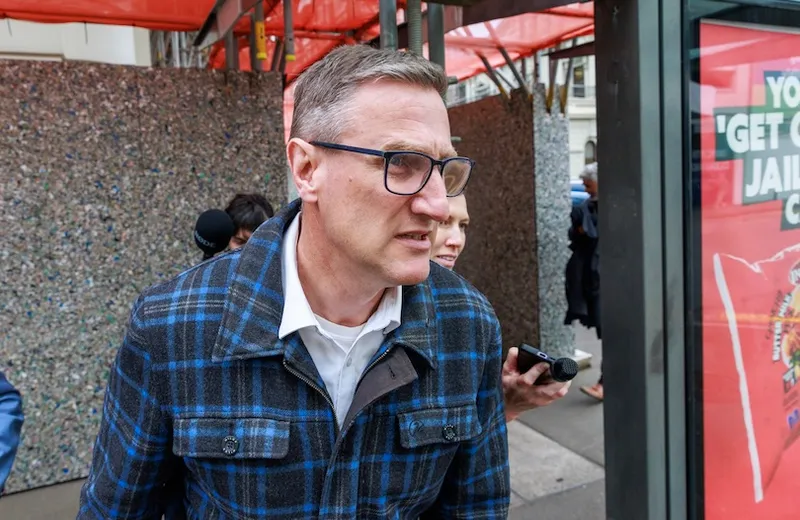
The IPCA report found failings by multiple senior police so serious they have been roundly condemned by MPs as “inexcusable”, “shocking” and “appalling” and prompted the government to immediately install a new inspector general of police.
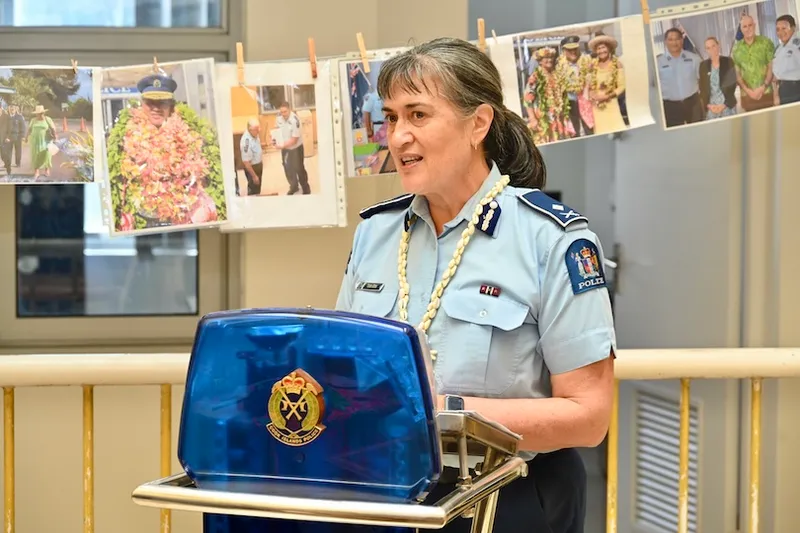
The report makes clear the failing was not isolated to one or two bad apples: it criticised the actions (and inactions) of multiple police employees, including former police commissioner Andrew Coster, former deputy commissioner Tania Kura, at least three other members of senior leadership and several serving officers. It also notes “certain aspects of police culture” that meant the failures could take root, including “resistance to external criticism … intolerance and even bullying of those who challenge the status quo internally … a “Them vs Us” mentality; a failure to challenge poor decisions; a tolerance of unethical behaviour; and a tendency to overlook alternative responses to problems due to pressure to conform or fear of ostracism”.
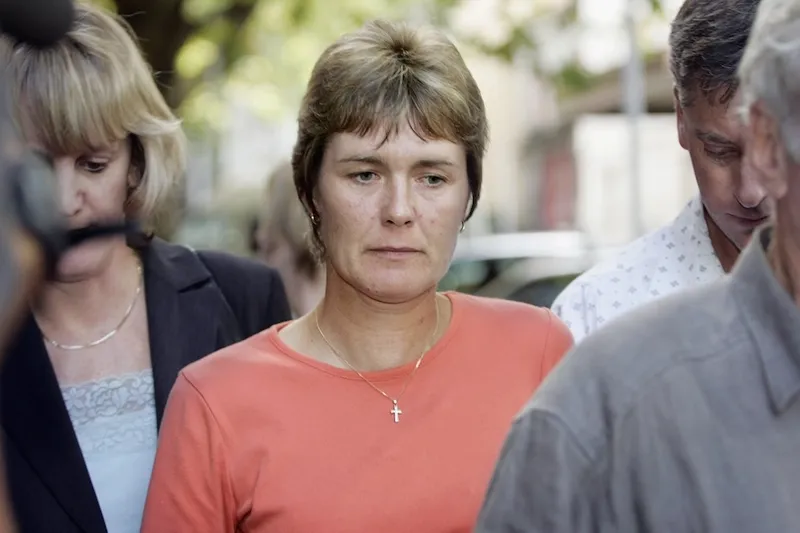
In this sense, the report echoes a similar scandal from 20 years ago. In 2004, an independent inquiry was announced in the wake of public allegations by Louise Nicholas and Judith Garrett that they were raped by police officers and following allegations officers deliberately undermined or mishandled investigations into complaints of sexual assault made against police. The report by Commissioner Dame Margaret Bazley, released in 2007 and covering the period from 1979 to 2005, found the New Zealand police had “a culture of scepticism in dealing with complaints of sexual assault” and uncovered “systemic flaws” in the way police investigate sexual misconduct allegations against police officers and associates.
How much has police culture changed in the intervening decades? A close reading of the IPCA report, alongside the Bazley report from 2007, would suggest the answer is “too little”. Let’s look:
The police take stereotyped views of complainants of sexual misconduct
In 2007, the Bazley report found that, although there was an improvement in attitudes between 1979 and 2005, police evidenced dismissive and stereotyping attitudes towards female complainants during the entire period under investigation, including at the highest levels. In 1983, for example, an assistant commissioner described a complainant as a “loose woman, notorious in the neighbourhood as a sex mad woman”, and in 2004, a woman who alleged sexual assault by a police officer was described as a “bitch … looking for a money train” in an internal police email.
How far has police culture come in this regard?
The IPCA report released this week detailed how multiple senior police including Coster were willing to accept, without question, McSkimming’s narrative that Ms Z was a disgruntled and mentally unwell ex-lover hell-bent on ruining his career, with vindictive rather than genuine motivations for making the allegations. The bunny-boiler stereotype, in other words.
Here’s how deputy commissioner Kura described her understanding of the complainant, Ms Z (all bold throughout is mine):
“I actually thought that if there had been anything substantial in this … the explanation is this is a woman scorned who continues to harass him [McSkimming] in a way that is public.”
Here’s how the police’s deputy chief executive of resource management characterised Ms Z:
“[H]e had a strange relationship with a woman that was almost stalking him. She was not well. She got out of hand.”
And here’s Kura again, on Ms Z’s motivations:
“Her purpose in all of this, and I think some of the emails actually talk about this, that ‘actually I will make sure your career’s destroyed … – because actually I want you back.’ So that’s the other part as well is that we have … the alternative thing that happens where people are scorned, and men are usually the victims of that.”
The IPCA report noted that none of the emails expressed a desire by Ms Z for the relationship to resume – and Kura admitted she didn’t actually read the emails.
The police condone or ignore inappropriate sexual behaviour and hold dual standards with respect to on-duty and off-duty behaviour
In 2007, the Bazley report found police had “a culture where ongoing inappropriate [sexual] behaviour has been tolerated”, with police responding to such behaviour by their colleagues along a spectrum from open tolerance to “turning a blind eye”.
It also found that “officers frequently attempt to draw a very clear line between [appropriate on-duty and off-duty behaviour] and argue that what an individual does off duty, in terms of sexual behaviour or other moral issues, is no business of the police management.” This is in contrast to other state employees in New Zealand and police officers in countries like America, where “behaviour should always be able to withstand public scrutiny” regardless of whether it occurs after hours.
How far has police culture come in this regard?
The IPCA report released this week found that various aspects of McSkimming’s sexual relationship with Ms Z “at a minimum, gave rise to the potential perception of a power imbalance and the use of seniority within Police to gain employment for a person in a physical location that made it more convenient for a sexual relationship to be carried on.” These were:
- The age difference – Ms Z was 21 when the sexual component of the relationship commenced while McSkimming was in his early 40s;
- The circumstances in which they met – McSkimming was a coach at their mutual sporting club (although not Ms Z’s coach);
- McSkimming’s seniority within police – he was promoted to assistant commissioner in April 2016; and
- Ms Z’s police employment – soon after the sexual relationship commenced, McSkimming, aware that Police were employing casual workers, sent Ms Z’s name by email for consideration. He then personally requested that she be based out of Wellington Central Police Station (making her closer to his place of work) rather than the Royal New Zealand Police College at Porirua, where the role was based. Ms Z remained in this role until January 2018.
But police very much treated this relationship as none of their business and turned a blind eye to Ms Z’s allegations, even as McSkimming interviewed for Coster’s role as the country’s top cop. Coster says McSkimming disclosed to him “that he’d had an affair with a student that he had taught sport” and recalled knowing she was in her 20s, but that this “did not raise any alarm bells” (per the IPCA report). A police executive characterised McSkimming’s sexual relationship with Ms Z as “a rumour a few years back about his family” during a reference check and deputy commissioner Kura dismissed it as “office gossip”.
Regarding McSkimming’s (misleading) disclosure to Coster that Ms Z had been a police employee but that he had not played a role in securing her position, Coster said he “didn’t interrogate him about the fine detail of what occurred.”
“Coster should, at a minimum, have asked more questions,” the IPCA report concluded.
Police ‘protect their own’ and erect a wall of silence around alleged police perpetrators
The Bazley report uncovered concrete incidents of officers attempting to protect other police accused of sexual misconduct as well as evidence of a broader culture of police “protecting their own”. A common tactic the report identified is the “wall of silence”, where police take a stonewalling or non-cooperative stance to investigations into wrongdoing by other officers.
How far has police culture come in this regard?
The IPCA report released this week revealed a veritable parade of police inaction and non-cooperation once it became clear (or should have become clear) that Ms Z’s allegations against McSkimming required investigation, for the apparent purpose of protecting McSkimming’s reputation and chances for the commissioner role. The examples are too numerous to detail here, but caused the IPCA to conclude that:
“Police completely failed to consider and investigate the allegations raised in Ms Z’s emails and her 105 reports before June 2024. Standard processes, including those intended to ensure that allegations against officers are handled with appropriate care and independence, were deliberately bypassed. There was a suggestion that Police Integrity and Conduct did not need to become involved. There was no IPCA oversight. Senior officers adopted a stance informed not by an objective view of the facts … but by the narrative they heard from their colleague, Deputy Commissioner McSkimming, or second-hand from others.”
So has the culture shifted?
There’s plenty more comparison to be drawn between Bazley’s criticism of police culture in 2007 and the failing highlighted by the IPCA last month, but some caution is warranted: Bazley’s was a broad inquiry into police culture, whereas the IPCA investigated police failures in a single case. Members of the public will need to draw their own conclusions about how deeply the McSkimming scandal has damaged their trust in police as a whole.
But the IPCA’s concluding comments in this regard are very revealing. “While police have made significant advances towards a more positive culture since the Bazley inquiry,” the report reads, “our findings graphically demonstrate that the settings in place to protect and enhance integrity are still not sufficiently robust to enable the public to have confidence that police will do their job ‘without fear or favour’.”
Enough said?

Madeleine Holden
Madeleine Holden was formerly a senior editor and writer at The Spinoff.


