I followed all the tips to save petrol. This is what happened

Worried about running low? (Image: Tina Tiller)
Experts say driving in a more fuel-efficient manner can reduce your petrol use, softening (just a bit) the blow to your wallet from the fuel crisis. But does it actually help?
Watching your fuel gauge creep down is cause for more anxiety than ever, as every new day brings with it higher petrol prices.
Households are struggling to absorb the fast-rising cost of petrol or diesel, sparked by the Iran war and coming on top of our enduring cost-of-living crisis. Everybody’s feeling it, though some more than others. New Zealanders under pressure at the pump are, The Spinoff learned this week, putting the last cash they have in the tank.
Putting half a tank of 91 in my 20-year-old hatchback cost over $80 last week and I hate to think what it would cost today. Or tomorrow. Or how much you’d spend filling up a bigger vehicle, like the vans, trucks and Ford Rangers chugging past me. That’s right, I’m driving slowly, under the speed limit. It’s among the tips recommended by experts for reducing your fuel use.
Although many contributing factors to the crisis – such as the closure of the Strait of Hormuz and New Zealand’s reliance on importing refined fuel – are outside of the average person’s control, one thing we can do is change the way we drive. (And avoid panic buying, as urged by the Automobile Association.) Industry experts have been giving advice for New Zealanders wanting to reduce their fuel use. Even Nicola Willis shared some helpful suggestions, all while stressing she wasn’t telling people what to do.
First things first: lighten your load. More weight burns more fuel, so the fewer things you can have in and on your car – like roof racks – the better. It’s a fuel-saving measure recommended by Willis, who said that “most Kiwis understand” that having less stuff in your car means you’ll use less petrol. Your fuel consumption increases by 2% for every extra 50kg of weight you’re carrying. Opening the boot, I look grimly at the magazines, airbed, Swanndri, sleeping bags, board games and various other guff, before pulling it all out. I put it on the scales and find that, all up, it weighs 26.54kg. Yikes.
I feel more orderly, which brings us to another tip: get organised. Rather than popping out 10 times in one weekend, combine your-car related errands.
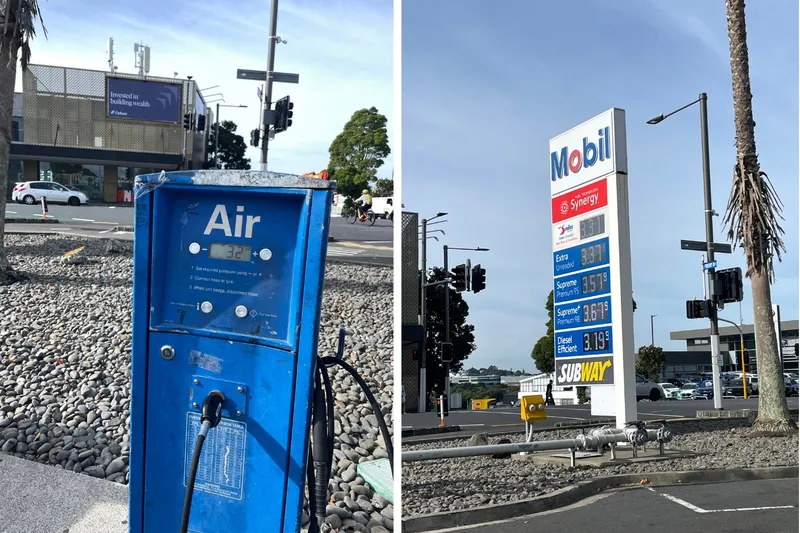
You might want to factor in checking your tyre pressure while you’re errand-maxing. That’s recommended by both the AA and Consumer NZ because flat tyres burn more fuel. A pit stop at the Mobil reveals mine are all good (phew) but if they’re under-inflated, you could be looking at reduced fuel efficiency – as much as 3%, according to Auto Trader.
There’s some other common advice, which sounds appealing but is not as easy to follow. Avoid rush hour if you can, due to how much fuel is wasted when idling in traffic, which, you may have heard, is made of cars. (That’s easier said than done for those not blessed by a negotiable start time or chill boss.) Actually, you should resist idling full stop. Doing so for more than 10 seconds is more expensive than turning your car off and on again. Just don’t turn your engine off at the lights – it’s not a great to be at a standstill and find yourself suddenly having to move.
When the light turns green – finally! – don’t get too excited. Instead, accelerate slowly and keep an eye on what’s happening in front of you. Going hundy on the accelerator and brake isn’t great for fuel use. Experts recommend being careful with your braking – not just the sudden stuff, but all of it. Driving slowly means you can respond to changes in traffic, with less need to slam on the brakes.
Keeping your speed down is strongly advised to save petrol. I’ve been sticking to low-speed areas over the past week, where the limits range from 30-50km/h, taking alternate routes rather than heading straight for the motorway. It takes more time but it’s done wonders for my fuel use. Massey University energy expert Ralph Sims told RNZ that an average car uses 10% more fuel per kilometre when travelling at 110km/h than it does at 90km/h.
Driving slowly has reduced the speed of my nervous system too; mine feels like it’s running at 15km/h. Road rage? Never heard of her. Chilling out a bit is recommended by the Motor Trade Association (MTA), which encourages motorists to avoid “aggressive driving”. Rather than rage out at the car in front of you for driving a little slowly, be stoked for them that they’re saving on fuel.
That wasn’t the case for one tailgater ahead of me on Tuesday morning, driving riskily close to the vehicle in front of them. Instead, they should have been increasing the gap. The AA advises having a decent following distance to avoid hard, sudden, fuel-wasting braking.
Hot? Turn off the air conditioning and crack a window instead. Unless, that is, you’re going above 75km/h, in which case it’s more fuel efficient to run the AC, due to increased drag at higher speeds.
And then there’s the most obvious advice to using less petrol: drive less. I’ve been doing that too, reserving the car for destinations I can’t reach by bus or foot, while counting myself lucky that my job and local supermarket are within walking distance – that’s definitely not the case for everyone.
Other tips include using cruise control, suggested by MTA. My car, a 2006 Honda Fit, isn’t fancy enough for that, so instead I’m embracing “cruise” and “control” via my new leisurely, low-cortisol, fuel-saving attitude.
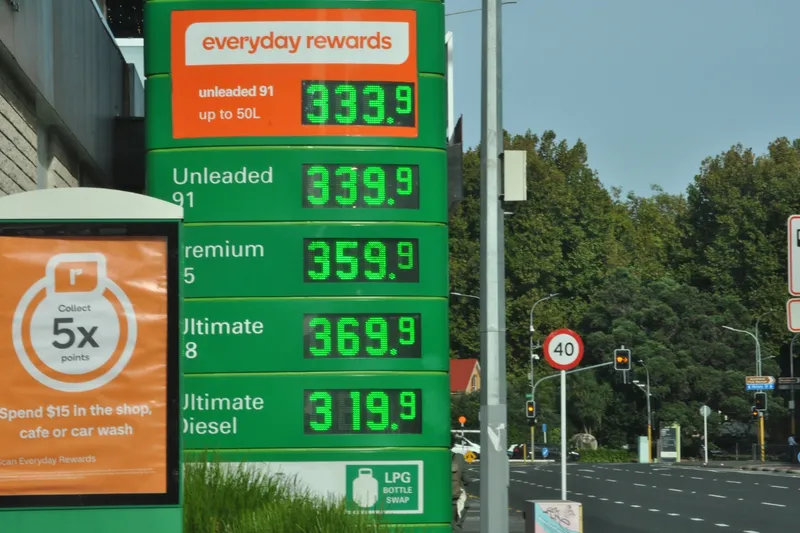
Cruising slowly, smoothly and with the window down, it’s like being in the How Bizarre music video, just swap the Chevrolet Impala with a hatchback (which is probably more fuel efficient anyway). I drive past one petrol station where 91 is $3.29. At the next it’s $3.37. How high will it go? No one can say.

Emma Gleason
Emma Gleason is a staff writer at The Spinoff and an award-winning fashion journalist. But it’s not just clothes that interest her, you’ll find her exploring tasty cheese, influenza outbreaks and more important things right here. She has experience with some of the country’s leading media outlets as well as the toaster in our kitchen.


