
We asked New Zealanders around the country how they’re dealing with the skyrocketing price of petrol.
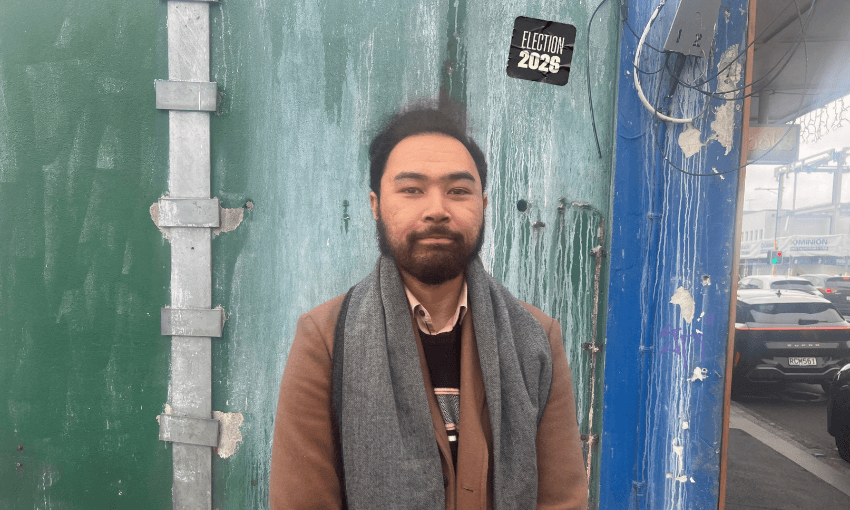
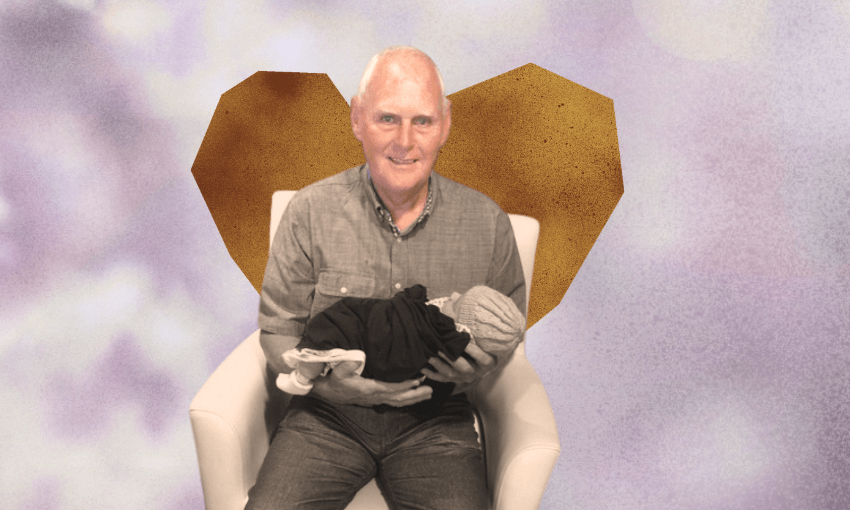
Ian – carpenter, unemployed, North Shore, Tāmaki Makaurau
I’m putting the last bit of the money I have in the tank right now. I try not to drive too much given the situation but right now I kind of have to. So we’ll see how far $45 gets me.
The price of everything’s been going up for so long now. Food’s been going up, now there’s this. It’s not just going to be at the pump, it’ll be food, it’ll be everything. I’m going to really struggle.
I don’t know if this is temporary either. This is all because of America and Israel – global interests. None of it’s in our interest. It’s only Israel that really stands to gain from this. The only long-term plan I have would be to not have a car. An e-bike, yeah, but the price of electronic vehicles is going to go up too and you kind of need a car in the city. I was a bus driver for a while, and there’s some things you can catch a bus for. The public transportation is OK, but I can only imagine the price of that is going to go up because they’ve got to run their business as well.

Rewi – unemployed, Māngere, Tāmaki Makaurau
It used to cost me about $100 to fill the tank. Now it’s pushing $180, sometimes more. You feel it straight away, not just at the pump, but everywhere else – food, rent, power. It’s all crept up at the same time, like there’s no space left to adjust.
At the supermarket, I’m buying less – not because I want to, but because I have to. You stand there doing the maths in your head, putting things back. It’s not luxuries either, it’s basic things the kids used to just have without question. That’s the hardest part: it’s them who are missing out.
People say take the bus, walk more. That’s not real life. I’ve got kids to get to school, places to be, timings that don’t line up with public transport. A car isn’t a choice – it’s a necessity.
It feels like you’re doing everything right and still falling behind. Cutting back, stretching things, trying to stay afloat. But there’s only so much you can cut before it starts affecting your family.
The government needs to step in. Whether it’s increasing support, easing taxes, or something else – it doesn’t really matter what. It just needs to be something. Because right now, it’s not working.

Troy – truck driver, Whangārei
I usually put in about $100 of 91 a week. But now I’ve put another $30 in to get me to pay day.
I’m about to find out how much it’ll affect my budget. This is strictly my work car and it’s a really cheap runner. I drive 74km every day to and from work. That’s a lot. I usually get about 60 litres of fuel a week, so $100 isn’t gonna get bugger all now. And it’s hard enough saving as it is. Makes it even harder when your wages haven’t gone up.
I drive trucks for a living. I’ve even noticed with the diesel trucks, it’s like $2.60 a litre now [turns to check the price], shit, $2.75 a litre!
A fuel tax cut would be good but mainly we need them to stop having their bullshit drama over there so it can go back to normal. A tax cut would be good but then they’re gonna put the tax on something else. The sad thing is that everything that people get delivered to them, any food from any supermarket, it all gets delivered by diesel trucks. So if fuel is going up, the margin for food is gonna have to go up, which sucks because food is dear enough as it is.
You’ve just got to adapt to it, I suppose.
Courtney – mother of two, Ōtautahi Christchurch
Petrol is so expensive, and the money definitely doesn’t go as far as it used to.
We’ve really noticed it in our family because we used to get fuel a lot more regularly, but now we are spending more time figuring out when is the best time that we can get it, and often as soon as we can after we get paid. We’ve started building it into our weekly budget as well – it’s not just about figuring out the best time to get it, but how long we can last on a tank, rather than just saying “we need fuel” and getting it.
I work about 30km out of town, so I am now working from home a lot more, but thankfully work has been pretty flexible. I’ve been following along with what’s happening on the news, and I am definitely worried about where it is all headed. Obviously you worry about yourselves as a family, but you also worry about the impact it is going to have on being able to export into the country, and being able to have things delivered because fuel is still used by so many things.
Gavin – retired, Ōtepoti Dunedin
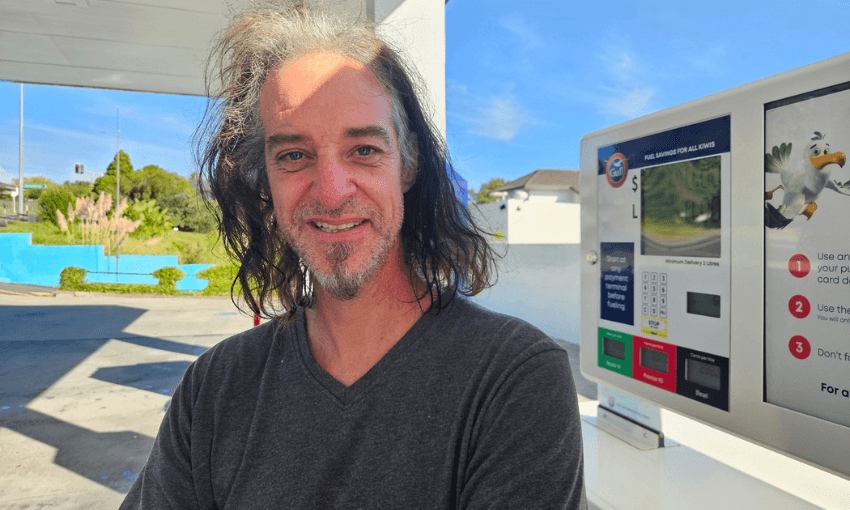
I’m just paying more. We probably only fill up the car once a month, and I’ve just figured that [points to 28 litres showing on the pump screen] is how much it’s gone up, $28. It’s $28 you don’t get to spend anywhere else, but it’s not going to kill me.
You think about how many extra trips you do. We are a bit loose on it, because we live slightly in the country, and it’s nothing to hop in the car and go and get a bottle of milk. We think about that far more seriously.
We’ve got to be more self-reliant as a country. Here’s a ridiculous one: my wife came home with a pound of butter yesterday for $6.99. That’s good, and I looked at it – it’s American butter! Why are we importing this? What is Fonterra up to, if America can make butter and send it to us cheaper than our own product?

Jade, student, west Auckland Tāmaki Makaurau
It’s gotten a lot more expensive the last couple of weeks. I usually put an even $50 in. I used to do it once a week but now I’m trying to put in smaller amounts and then have to come every few days.
I’m being more careful about how far I’m going and thinking about if it’s worth it. If it keeps rising I’ll probably have to think about not going some places.
I don’t know what the government can do about it. I don’t know that they really have much power in this situation. I wish it could be different, but I think it’s not in our hands, it’s more in other countries’ hands.