
The government says learning to drive will be simpler and more affordable starting in 2027. But without a second test, will unsafe drivers slip through, asks Catherine McGregor in today’s excerpt from The Bulletin.
To receive The Bulletin in full each weekday, sign up here.
A cheaper, simpler way to learn to drive
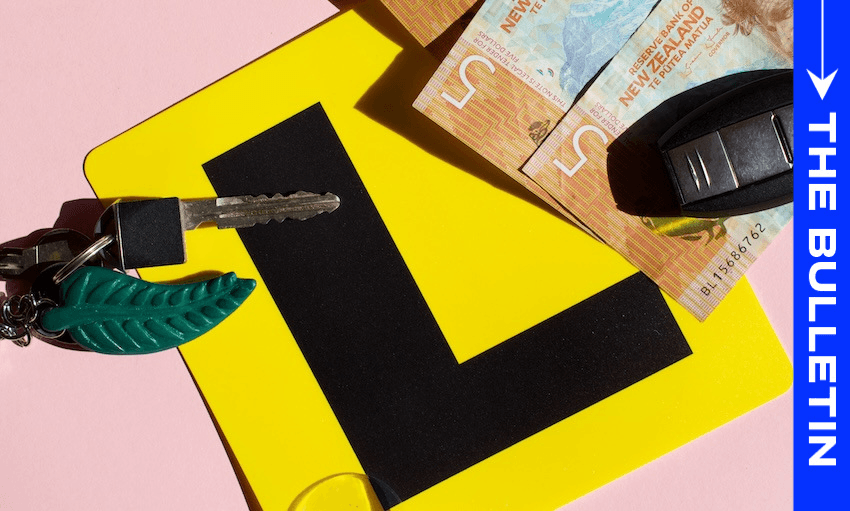
After months of consultation and debate, the government has confirmed a sweeping overhaul of New Zealand’s driver licensing system, with changes due to take effect from January 2027. The centrepiece is the removal of the second practical test required to progress from a restricted to a full Class 1 licence – a move ministers say will significantly reduce both cost and stress for drivers. In total, the government estimates the changes will shave about $80 off the price of getting a full licence.
Transport minister Chris Bishop said the current system was “expensive, outdated and no longer works as well as it should”. Alongside scrapping the full licence test, the confirmed changes include a longer learner period for under-25s, new restricted licence timeframes, fewer eyesight screenings, expanded zero-alcohol rules for learner and restricted drivers, and stronger oversight of driver training providers.
Practice encouraged, not required
One of the most contentious elements of the reforms has remained unchanged since the initial proposals were released last April: there will still be no mandatory minimum number of supervised practice hours for learner drivers. As RNZ reported back in September, that omission has long concerned the AA and driving instructors, who argue experience behind the wheel matters more than time served on a licence. The AA has called for at least 60 hours of supervised driving before sitting a restricted test, noting international evidence that such requirements reduce crash rates.
What has shifted is the introduction of an incentive. Under the new system, under-25s will normally spend 12 months on a learner licence, but can reduce that back to six months by recording practice hours or completing an approved practical course. While it may not be exactly what the AA wanted, road safety manager Dylan Thomsen told The Front Page podcast he was “really pleased” to see the government encourage more practice time for young drivers.
NZ an international outlier
One of the government’s key justifications for change is that New Zealand is unusual in requiring a second practical test to obtain a full licence. But that’s not the only way we’re different: a 2024 AA research report found that most comparable countries place far more weight on driver training.
In Australia, learner drivers typically must log between 50 and 120 hours of supervised practice over at least 12 months before progressing, with no second practical test. In much of Europe, including the UK, formal professional instruction is emphasised instead of supervised hours, often making learning to drive more expensive but also more structured. By contrast, New Zealand’s system has historically been quicker and cheaper upfront, and with fewer formal safeguards around training – a trade-off the AA says has contributed to our dire youth road-safety record, one of the worst in the developed world.
Germany versus Aotearoa
In The Spinoff, the cultural gap in driver training was vividly illustrated by Vanessa Ellingham’s account of learning to drive in both Germany and New Zealand. In Germany, she clocked about 40 hours with professional instructors, navigated autobahns at 170km/h, and still failed multiple tests, spending thousands of dollars without securing a licence. Back home, she passed her learner’s test on the first attempt – despite being distracted by a loudly recounted food poisoning story in the testing centre – and was driving in traffic within hours. “If I messaged my German instructor to tell him the good news he wouldn’t even believe me. How could it be so easy? Or was the German system too hard?”
I learnt to drive in both Germany and Aotearoa – the differences were stark