
If a review into the bank’s Covid-era decisions was so critical, why did the government leave it until the last minute to launch one, asks Catherine McGregor in today’s excerpt from The Bulletin.
To receive The Bulletin in full each weekday, sign up here.
A deep dive into Covid money
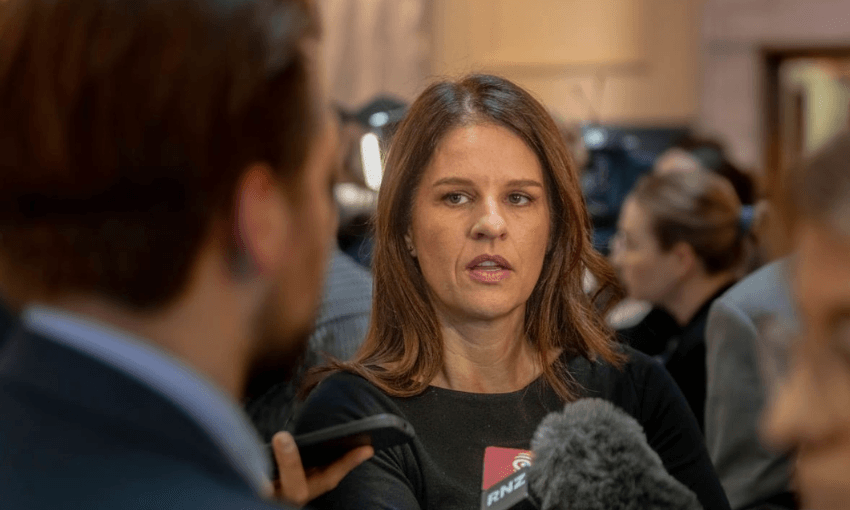
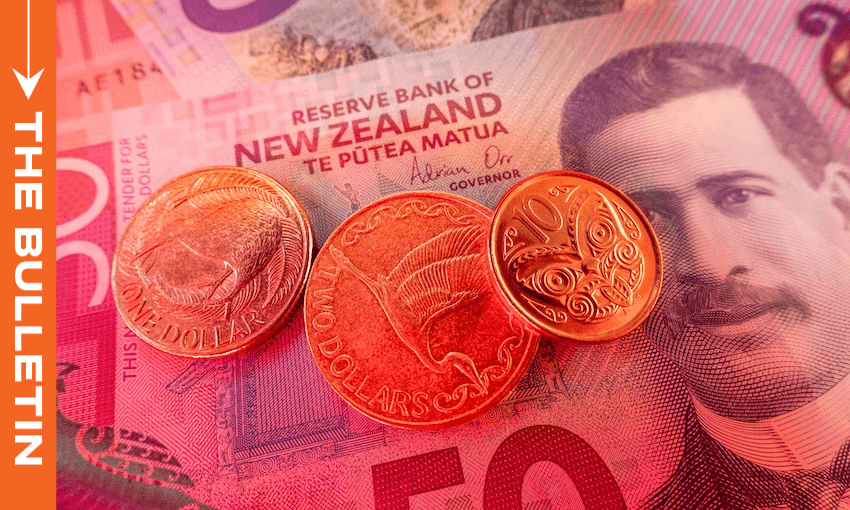
With an election looming, the decision to reopen the Covid monetary playbook has prompted some uncomfortable questions for the government about timings and motives. An independent review into the Reserve Bank’s pandemic-era monetary policy response was announced on Wednesday, and its findings are set to land just weeks before voters head to the polls. Finance minister Nicola Willis says the aim is straightforward – to “learn from experience” before the next major economic shock hits.
The review will examine decisions made by the monetary policy committee between 2020 and 2022, including the slashing of the OCR to 0.25% and the use of novel tools such as the $55 billion Large Scale Asset Purchase programme, aka quantitative easing. Those unprecedented interventions helped preserve jobs and keep businesses afloat during lockdowns, but were followed by a surge in inflation to 7.3%, house price growth of around 30% in a single year, and estimated losses on the LSAP of about $10.3b, Interest.co.nz’s Mandy Te writes.
Willis has appointed former Cyprus central banker Athanasios Orphanides and former RBNZ assistant governor David Archer to lead the inquiry, which will report publicly in September.
Right response, wrong timing
There is little dispute that the scale and novelty of the RBNZ’s actions merit scrutiny. Writing in the Herald (paywalled), Thomas Coughlan says that when $55b is created and injected into the economy in little over a year, New Zealanders are entitled to “a few questions”.
But the timing is “very wrong”, he says. “Indeed, the wrongness of the timing may undo any of the good that comes from what is otherwise likely to be a very valuable exercise.” In Stuff, Jenna Lynch highlights the cost of the review itself: “Half a million dollars has been set aside for the reviewers to deliver a stick with which Willis can use to clobber her opponents with.” Both commentators agree an inquiry is warranted. Their concern is that releasing it in the heat of an election campaign could sway voters’ views on Labour, while also potentially eroding trust in the Reserve Bank’s independence.
Why now and not earlier?
The timing question is sharpened by the government’s own historic statements on a potential inquiry. In opposition, Willis was sharply critical of the Reserve Bank’s 2022 self-assessment – she said it “failed the credibility test” – and promised an independent review if National won office. It did, yet no review was ordered.
Instead, the coalition reopened the Covid Royal Commission of Inquiry for a second phase, which didn’t interrogate the RBNZ’s specific monetary policy decisions. Coughlan notes the government could have opted to fold monetary policy into that second phase, but instead pursued what he characterises as a quasi “show trial” of former Labour ministers and other key pandemic-era figures.
Lynch poses the obvious question: why, if the answers are so critical, was the review never instigated in 2024 or 2025? The most obvious distinction between those years and 2026, she archly observes, is that only one is an election year.
In her defence, Willis acknowledges she sought advice on a review early in the government’s term, but prioritised changing the bank’s remit to a singular inflation focus and refreshing its leadership.
A delayed delivery
Even within 2026, the timeline has shifted. Drawing on Treasury documents, RNZ’s Giles Dexter reports the review was originally expected to be completed by March this year, according to Willis herself.
It will now conclude in August and be released in September. Willis has blamed the delay on difficulties securing appropriately qualified reviewers with both domestic and international expertise, but says she’s confident they’ve now selected “very credible reviewers …There’s not a political bone about them.” Quite whether the same can be said of the exercise itself – landing neatly in the final stretch of an election campaign – is another matter.