Dave Rennie possesses the most important attribute for an All Blacks coach

Dave Rennie has something in common with a host of All Blacks coaching greats. (Image: Calum Henderson)
Despite a few blemishes on his coaching resume, Dave Rennie shares his successful predecessors’ penchant for looking permanently pissed off.
There are reasons to doubt the All Blacks’ new coach Dave Rennie. He’s six years older than his closest reported challenger for the role, Highlanders head coach Jamie Joseph. Though he coached the Chiefs to back-to-back Super Rugby victories, those came more than 10 years ago and the results during his more recent stint with the Wallabies were less than ideal. He apparently enjoys landscape gardening. Those concerns, voiced by esteemed sports writers and Wikipedia alike, may be worth weighing up, but they’re eclipsed by a crucial entry in the pro column for Rennie. The former schoolteacher, pub owner and Wellington Lions player appears more or less permanently fucked off.
Flick back through the annals of All Blacks history. Our coaches have espoused different philosophies and instituted a range of playing styles. But the one thing uniting the best of the best is that they perpetually look like someone just farted noisily at the dinner table next to them.
Start with team’s coaching GOAT: 2011 World Cup winner Graham Henry is literally physically incapable of twisting his lips into what most people recognise as a standard smile. When occasion calls for him to look happy he simply squints and frowns 37% less intensely.
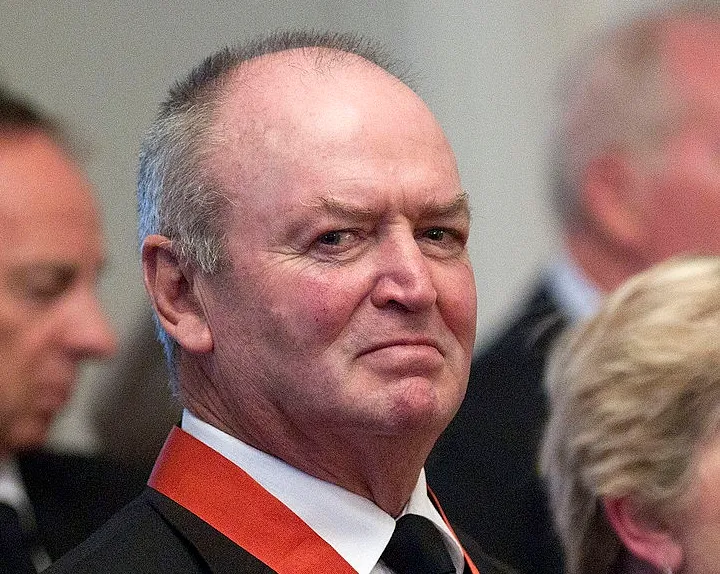
Scientists are still unable to confirm whether Steve Hansen actually has teeth. Despite ostensibly making sounds and even occasionally speaking, Henry’s assistant coach and eventual successor never once prised his lips apart during his first decade with the team. He won a World Cup in 2015 and only started losing late in his career after he developed a habit of turning his permafrown into something approaching a wry half-smile in press conferences.
The greater the misery, the better the results. Alex “Grizz” Wyllie, named after his penchant for grizzling all game long, achieved a 91% win rate in his coaching career, including a 25-3-1 record as All Blacks coach. Brian Lochore, who coached the team to its 1987 World Cup victory, was known as more of a humble, salt-of-the-earth Kiwi farmer than as an effusive grin machine.
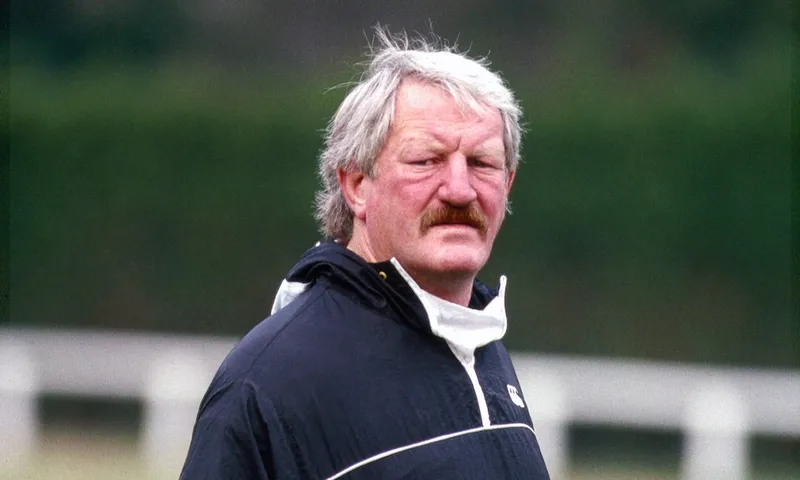
Laurie Mains may be viewed as an outlier. The Otago stalwart had an impenetrable carapace keeping the light of joy from his soul like most All Blacks greats, but only managed to achieve a 68% win record during his tenure. However, anomalous times produce anomalous results. Mains helmed the team with rugby on the cusp of its professional era and was the first to institute the more expansive attacking style that has defined All Blacks teams in recent decades.
It’s not just coaches. Misery is the secret ingredient in the heady broth of New Zealand rugby greatness. Take the case of Kevin “Smiley” Barrett. The former Taranaki player, who was given that nickname because he has never once smiled in his life, has produced three current All Blacks.
One of the greatest ever All Blacks, Colin Meads, was given the nickname “Pinetree”, partly because of his height and toughness, but also because he had a similar personality to one.
The opposite is also true. Outgoing coach Scott Robertson’s tenure won’t be remembered fondly for either on-field results or behind-the-scenes team culture. Is it a coincidence then that Robertson routinely smiles and even laughs, and has famously been seen breakdancing?
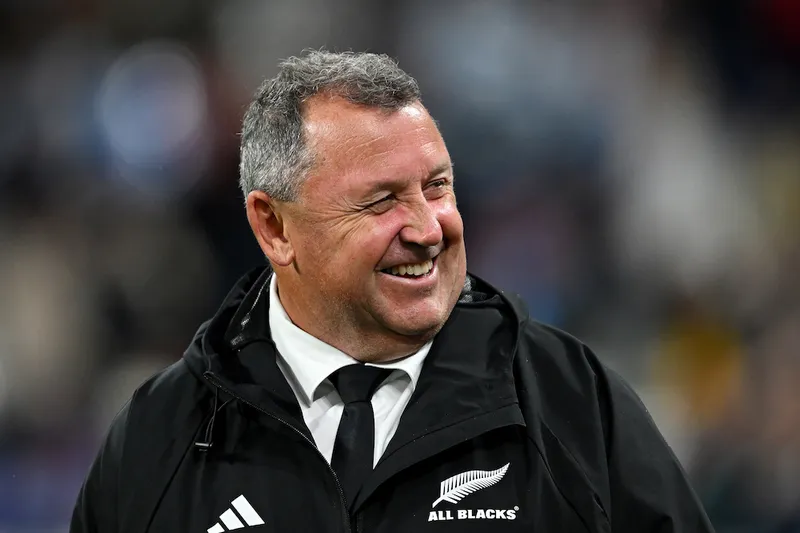
Though his mood usually oscillated between dejected and vaguely pissed off, Ian “Fozzie” Foster possessed the ability to smile using his mouth. A middling mood begets middling success. He achieved a creditable but hardly-spectacular-by-historic-standards 70% record as coach. The same rule applies to coaches like John Hart or even occasional smiler John Mitchell.
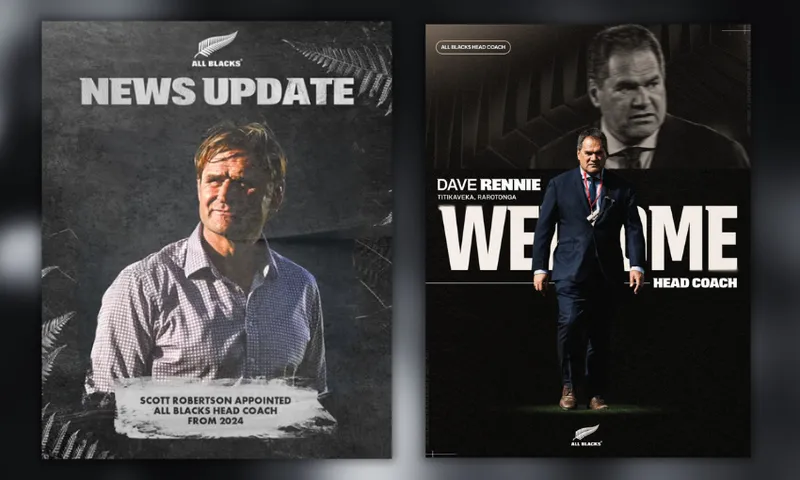
When the All Blacks announced Rennie’s appointment on Facebook, their post contained two photos. One had the new coach striding through the middle of the word “welcome” to turn it into “we me”, apparently nonplussed at the mere concept of a polite introduction. In the other, at the top of the image, Rennie looks into the mid-distance with an expression on his face like he’s just seen a chef open-mouth sneezing into his meal. His tenure promises to be a huge success.

Hayden Donnell
Hayden Donnell is a senior writer for The Spinoff. He previously worked at RNZ, TVNZ and the New Zealand Herald, alongside other media companies that have since closed down or been renamed. His primary passions are local politics and the Big Fresh animatronic fruit and veggies.


