
As thousands of eateries shutter and diners tighten their belts, the government is spending millions to bring the Michelin Guide to New Zealand. Will it help, asks Catherine McGregor in today’s extract from The Bulletin.
To receive The Bulletin in full each weekday, sign up here.
A sector still on the brink
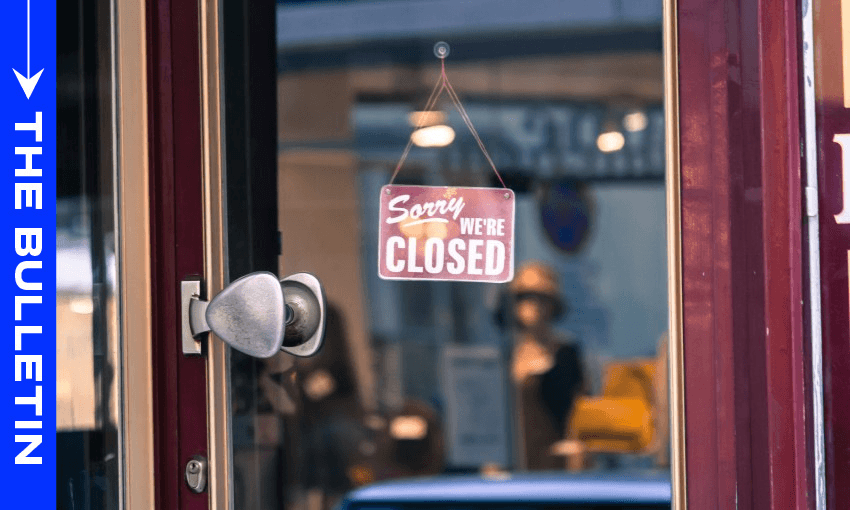
The Christmas party season can’t come soon enough for New Zealand’s battered hospitality industry. With corporate business promising a rare boost to revenue, many restaurateurs are hoping the next month’s bookings will be enough to see them through the summer. As Stuff’s Phoebe Utteridge reported, more than 2500 hospitality businesses closed in the year to August – almost 20% more than the previous year.
Even in Christchurch, the country’s current urban success story, operators say they’re “doing it tough”. Among the latest casualties is GG Bistro, a plant-based restaurant forced to close just seven months after opening; its parent company, Grater Goods, went into liquidation days later. Co-owner Flip Grater said customers “very clearly wanted to support us”, but even loyal diners were now buying dinner without dessert, or skipping the wine list entirely. For a sector already gutted by Covid, food inflation and labour shortages, it’s been the hardest 18 months anyone can remember, she said.
Stars on the horizon
Against that bleak backdrop, the $6.3 million deal to bring the Michelin Guide to New Zealand was welcomed by many as a badly needed morale boost. Restaurant Association head Marisa Bidois called it “not just a culinary milestone, but a cultural one”, arguing it would help reposition NZ as a must-visit for wealthy foodies. The guide’s presence would also help retain talented chefs who might otherwise go overseas, she said.
While NZ has a number of well-regarded restaurant rankings and guides, Michelin is on a whole other level, said chef Nick Honeyman, himself the holder of a Michelin star. “All chefs and restaurants in New Zealand deserve to experience the power of the guide,” he told the Herald’s Kim Knight. “It would be like telling our Commonwealth Games athletes that they can’t compete in the Olympics even if they were good enough.”
What makes a great NZ restaurant?
But others have been less enthused. In the Herald (paywalled), former restaurant reviewer Simon Wilson argued that the “special character” of New Zealand’s top restaurants “does not correlate to fine dining”. New Zealand’s best eateries, he wrote, blend culinary excellence with laidback warmth – “elbows on the table”, not starched linen – while the Michelin model props up “a restaurant ecosystem full of monstrous egos, bullying, class divisions and deeply conservative values.”
The timing hasn’t helped. News of the Michelin deal coincided with reports of a proposed law to move rough sleepers away from city centres. To commentator Shane Te Pou in HoS (paywalled), the contrast was clear. “For this government, the plan, literally, is that jobless and homeless Kiwis will be shoved out of sight while rich foreigners come here to eat at fancy restaurants.”
Elbows on the table
Wilson’s refrain about the “informal excellence” of New Zealand’s dining scene was echoed by Charlotte Muru-Lanning in a cute-as piece for The Spinoff last week. “Michelin who?” she asked, turning instead to tyre shop owners around the country to find out where they like to eat and what’s their go-to order. The responses, from sandwiches to donburi to creamed pāua on chips, captured the heart of everyday dining in Aotearoa. “Order anything and everything,” one Tauranga mechanic advised of his local favourite. Others praised the “mint” pies at a Nelson bakery and the “wicked” pho at a Hamilton Vietnamese. It’s a charming reminder that the country’s culinary soul lies as much – if not more – in lunch bars, Thai takeaways and bakeries as it does in white-tablecloth restaurants with $50 mains.