How did the meth crisis get so bad, so fast?

NZ meth consumption almost doubled between 2023 and 2024. (Photo: Getty Images)
A sudden surge in meth use is straining addiction services, fuelling social harm, and exposing the extent of organised crime, writes Catherine McGregor in today’s extract from The Bulletin.
To receive The Bulletin in full each weekday, sign up here.
A ‘perfect storm’ fuels the rise of meth
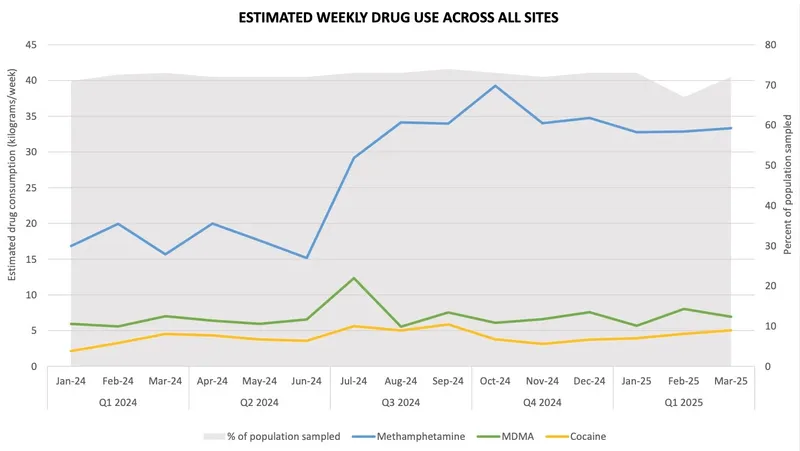
Methamphetamine use in New Zealand has exploded, with consumption nearly doubling over the second half of 2024 and remaining elevated into 2025. As Madeleine Holden reports for the NZ Drug Foundation, the surge has left already underfunded community services stretched to breaking point, while social workers on the ground describe a “tsunami of need” for addiction support.
Experts point to a confluence of factors: meth – aka P – is becoming cheaper and more widely available, yet still profitable enough to incentivise smuggling; social pressures like poverty, trauma, and unmet health needs have intensified; and there are growing links between ADHD and stimulant misuse. “Methamphetamine suppresses hunger and cold,” said Drug Foundation director Sarah Helm, making it attractive in the context of housing instability and food insecurity. Organised crime has also become more sophisticated in its marketing and distribution – part of what Helm calls a “perfect storm” hitting vulnerable communities hardest.
The numbers behind the surge
According to ESR wastewater testing, NZ meth consumption jumped from 732kg in 2023 to 1434kg in 2024 – a 96% increase. In the first quarter of 2025, the weekly average was 33kg, a slight decrease but still 27% above the previous year’s average. The estimated social harm cost is staggering: $34.6 million per week, or $1.8 billion annually. While there’s no definitive evidence yet whether more people are using meth or existing users are consuming more, health providers believe the latter is more likely; the Salvation Army Northland reports some users now consuming over a gram a day.
Police say the surge hasn’t yet led to a corresponding crime wave, though Detective Superintendent Greg Williams of the national organised crime unit said the broader impact is still “gutting” and “creating significantly more social harm” than before. He also pointed to research showing that those with methamphetamine convictions are five times more likely to commit other crimes, and be the victims of crimes, than those with non-meth offences.
Northland and Central Hawke’s Bay hardest hit
Though every region is now recording higher-than-average meth consumption, Northland and Central Hawke’s Bay are the worst affected. The small Hawke’s Bay town of Waipukurau saw a 333% increase in usage in 2024, the biggest jump in the country. In Kaikohe in the Far North, meth use is so high that local support services say addiction has become generational. Organisations in both areas say more funding, and more residential care options, is desperately needed. As Lillian Hanly reports for RNZ, $2.6 billion is currently ringfenced for mental health and addiction services, but drug and alcohol support receives less than 10% of that total.
A market driven by crime and corruption
The meth crisis is not just a public health emergency; it’s also a story of organised crime, reports 1News’ Barbara Dreaver. In March, a report from the Ministerial Advisory Group on Transnational, Serious and Organised Crime warned New Zealand is “losing the fight” against organised crime, as meth seizures reach record levels and signs of corruption accelerate. “The group was told by enforcement agencies about ‘trusted insiders’ at ports and airports helping to retrieve concealed shipments of illicit drugs, before customs inspections,” Dreaver writes.
Group chair Steve Symon pointed to the Pacific as a bellwether for what could happen here, citing examples of high-level corruption in Fiji’s customs and police. The report urged a national anti-corruption strategy – something New Zealand still lacks. Meanwhile, customs minister Casey Costello is leading a “meth sprint team” of ministers and officials to coordinate the government’s response, though critics argue a health-led, community-driven strategy is just as urgent. As Helm argues, “We can’t police – or even police and treat – our way out of our issues with methamphetamine.”

Catherine McGregor
Catherine McGregor is commercial editor at The Spinoff. She is a former deputy editor and a longtime writer of the Bulletin and World Bulletin newsletters.


