Checking in with Bluff oyster season

How’s it going down there? (Image: Tina Tiller)
With officials advising a ‘cautionary approach’, Ngāi Tahu extending its harvesting pause and industry bodies acknowledging a ‘difficult season’, how’s it going down there?
Bluffies! Tio paruparu! Tiostrea chilensis! Each year between the start of March and end of August they’re pulled from the icy waters of Foveaux Strait. Boats leave the port in Bluff well before dawn. It’s New Zealand’s oldest commercial fishery and one of the last flat oyster fisheries in the world. But times have been tough. The harvest ended prematurely in 2023, 2024 and 2025.
How’s it going this year? “It’s definitely a difficult season,” says Graeme Wright. He’s the operations manager for Invercargill-based Barnes Oysters and speaks for the Bluff Oyster Management Company (BOMC), which represents the industry’s quota owners.
The shellfish are considered environmental whistleblowers and Bluff oysters have been in a high-profile battle with bonamia ostreae. The parasite is fatal and has significantly depleted Bluff stocks. It was found in Marlborough Sounds in 2015 and made its way down to Big Glory Bay on Rakiura Stewart Island, where it was found in 2017. Wright says that while bonamia ostreae hasn’t been detected in the Foveaux Strait, it is “alive and well in Big Glory Bay, very scarily”.
Another parasite, bonamia exitiosa, is endemic to Bluff oysters. It’s been in the fishery since at least the 1960s. While there’s been a “slightly lower prevalence” of that this summer than past years, Wright says both together are a huge concern. “Evidence suggests that if you have a concurrent infection with both bonamia ostreae and exitiosa, the outcome is not good.”
“The last three or four years we’ve had really poor quality oysters. The size of the shell has been perfectly good, but the meat quality and size has been really poor,” explains Wright. “That again seems to be a cyclic thing.”
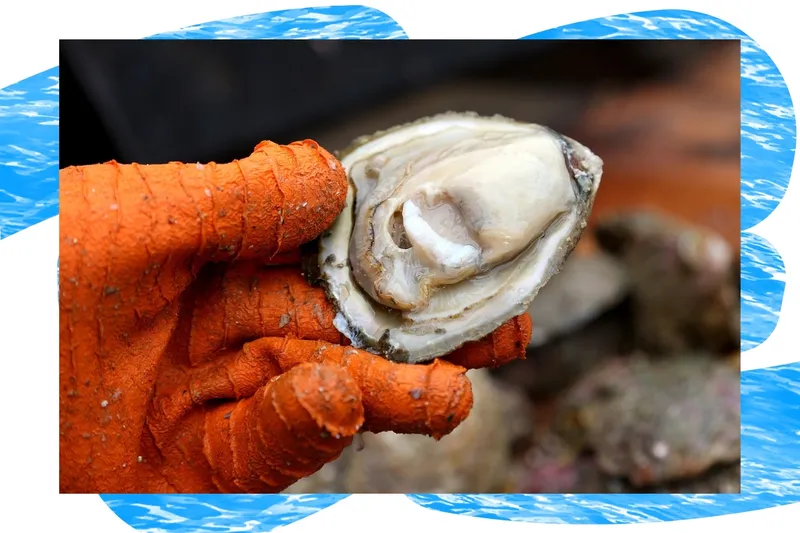
Globally, a lot is still unknown about bonamia. “They don’t understand its life cycle, how it spreads, if there’s other vectors involved,” Wright says. What they do know is that it’s a disease that thrives on density. “If you’ve got high populations, you get a huge spread.” Which is what makes Big Glory Bay’s ongoing outbreak so scary. While there aren’t many oysters left there after the culling in 2017, the unofficial numbers of exitiosa are “terrifying”.
Risks in the region are managed through a combination of controlled area notices, boat protocols like hull cleaning and restricting bilge discharge. (Biosecurity New Zealand expects bonamia ostreae to reach Foveaux Strait in the coming years.)
Fisheries New Zealand completes an annual survey ahead of each season, looking at the size of the oysters, how abundant they are and the prevalence of disease. The final results will be presented to the Shellfish Working Group in May and findings won’t be released to the public until November. However Fisheries New Zealand has confirmed preliminary findings showed little oyster mortality, with deaths caused by disease “greatly reduced”, says Wright. “Which is really good news.”
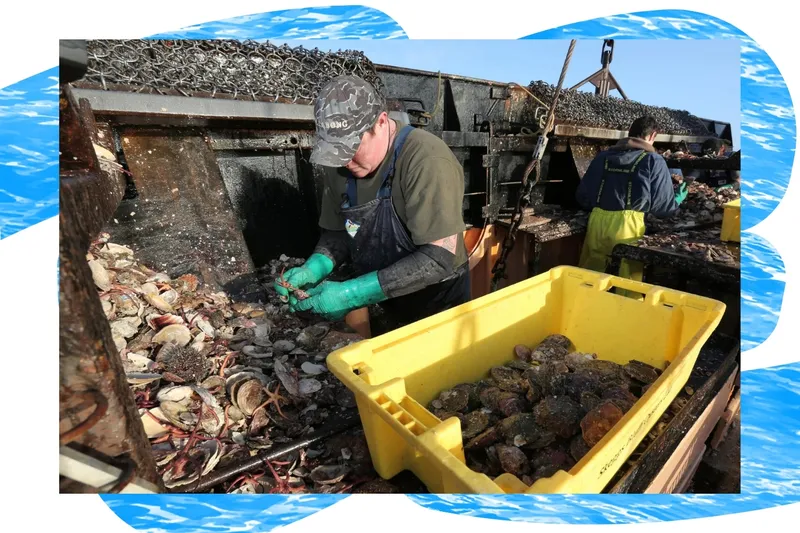
It also showed a large number of new oysters beginning to grow to larger sizes. Reproduction doesn’t happen every year, but the signs are promising. “The last two or three summers we’ve had massive reproduction – lots and lots of little baby oysters.”
This means the industry is in a lag phase as numbers replenish. Densities of legal-sized oysters have reduced, which makes harvesting challenging. Last year Barnes Wild Bluff Oysters caught only 45% of its quota.
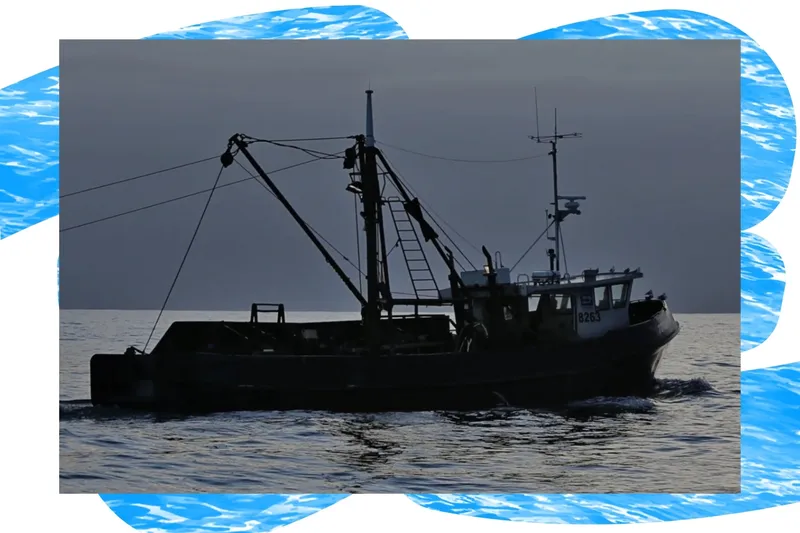
Boats were out yesterday for the first time since last week due to bad weather. The first left port at 2.30am. The Foveaux Strait is famously wild, and the environment impacts not only oyster quality but also being able to get out and harvest them at all.
Wright says there’s no denying the fishery is definitely in a bit of a bumpy spot. “As an industry, we’ll do everything in our power to ensure its long term sustainability. Everyone has the same motive. No one’s there to take the last oyster,” he says. “Some people have chosen not to fish… Which we fully acknowledge and support.”
This will be the second year Ngāi Tahu Seafood has sat out of Bluff oyster season. It’s concerned about the fishery’s ongoing state and resilience after seeing the decline in quantity and quality of tio (oysters). “Given the condition of the fishery and the clear guidance from mana whenua, not fishing tio this season is the right call. Our priority is supporting the long-term sustainability of the tio fishery and protecting it for future generations,” Todd Moyle, chief executive of Ngāi Tahu Holdings, said in a media statement.
The decision is backed by Awarua Rūnaka Ltd, a subsidiary of Ngāi Tahu that manages commercial interests of the Bluff-based Awarua whānau. Mana whenua says that the “cumulative pressures” of disease and climate change call for a “precautionary, protection-first” approach. Awarua Rūnaka chair Barry Bragg is encouraging the industry to consider a shorter harvesting season and leaving primary beds undisturbed.
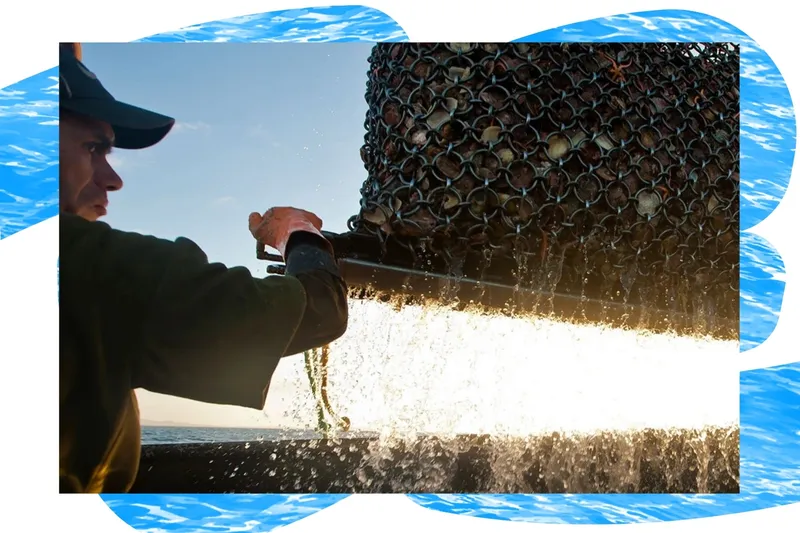
Bluff’s oyster fishery is Aotearoa’s oldest commercial fishery and it plays a significant role in Southland’s economy. There’s the crew on the boats, seasonal workers, factory staff, retailers, restaurants. Tourists come just for the oysters.
The Bluff Oyster and Food Festival is returning on May 23. It’s one of the biggest dates in the Southland calendar. Past years have seen its patrons consume up to 20,000 oysters over the course of the event.
The market for Bluff oyster is primarily domestic. You’ll find them across the country, but be prepared to pay. A pottle of 12 Bluff oysters from Wellington Seamarket costs $39.98. At New World Prestons in Christchurch you’ll pay closer to $50. Some restaurants plan to serve them, others are giving them a miss this year.
Up in Auckland they’re often a flagship menu item. Britomart restaurant Kingi specialises in sustainable seafood and expects to be serving Bluff oysters later in the season. First Mates, Last Laugh in Westhaven has them on the menu already (and they’re always popular).
Soul Bar & Bistro’s says that while the demand is there, the product isn’t. “It’s been hard to get them,” explains general manager Olivia Carter. They won’t be holding their annual two-day all-you-can-eat Bluff oyster festival in 2026. In past years the restaurant would order 2000 dozen oysters for the occasion. “We decided not to do our big event this year. It’s not a possibility for us, so we’re supporting the industry in a smaller way, led by our suppliers.” Bluff oysters will still be on the menu… if and when they can get them.
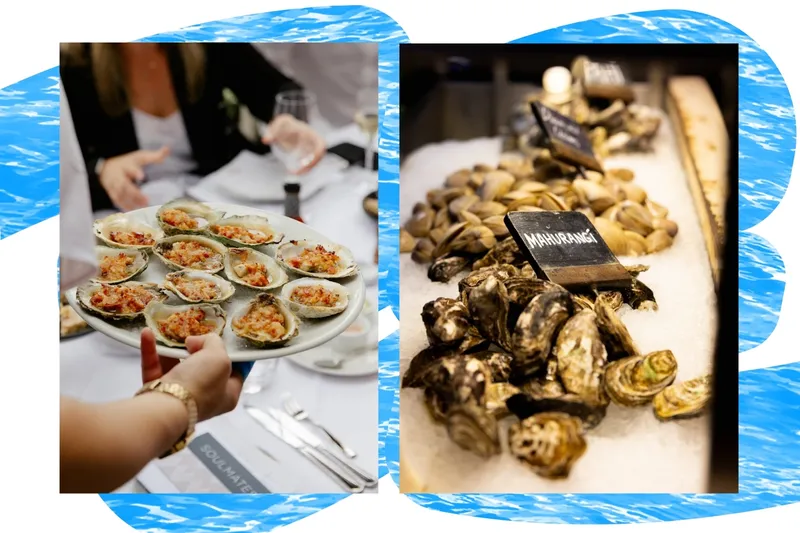
You won’t find any at CBD restaurant Depot. Al Brown has decided not to sell Bluff oysters this season. He didn’t last year either. Brown follows what his suppliers are doing. “Ngāi Tahu Seafood are not fishing at all. So we’re supporting them,” he says. “If it means a couple of years that we’re not serving them, and that helps, so be it.”
Because Depot serves live oysters, which have to be shucked (opened), he gets a first-hand look at the condition of the oyster beds. “If I open a dozen, there might be two goodies, five middles, and three or four runts. And I can’t serve those to my customers,” he explains. “Other restaurateurs open pottles of pre-shucked oysters, dead oysters, and just put them in a shell – which is all good, they can do that.”
While he describes Depot’s hiatus as a moral decision, Brown isn’t here to preach. “I get it, people have got livelihoods,” he says. “All the fishermen down there are already reducing catch voluntarily anyway… which gets a big tick from me.” He describes the shellfish as a taonga and an incredible resource. “I just want my children’s children to have Bluff oysters.”

Emma Gleason
Emma Gleason is a staff writer at The Spinoff and an award-winning fashion journalist. But it’s not just clothes that interest her, you’ll find her exploring tasty cheese, influenza outbreaks and more important things right here. She has experience with some of the country’s leading media outlets as well as the toaster in our kitchen.


