Petrol is so expensive. Hopefully we’ve been reducing our dependence on it?

Hopefully the men setting our transport priorities have been reducing our exposure to the volatile global oil market.
It would be a real shame if we’d done something like stop NZTA spending on walking and cycling. Ha ha ha.
Cast your mind back, way back to the heady days of a few weeks ago. It was still summer. Our butter was normal-coloured. Most importantly, few of us spent a single second of our lives worrying about events unfolding in the Strait of Hormuz. Now drivers shake their first in the direction of the 30-kilometre-wide sea passage as they queue up for a tank of $3-a-litre petrol. As the price meter ticks past $120, they mutter silent curses over the tactical nous of US president Donald Trump and his band of meat-addled meatheads, who dreamed up the idea of bombing a country that controls a vital nautical bottleneck in order to change its leader from one hardline guy named Khamenei to another even more hardline guy named Khamenei.
Thankfully the blow is softened by our government’s farsighted decision making, which has lessened the country’s reliance on fossil fuels and opened up non-oil-dependent transport options.
The Iran war price shock would be more painful if, for instance, New Zealand’s former transport minister had put out a government policy statement in 2024 that prioritises roading above all else and severely curtails NZTA’s ability to invest in new walking and cycling projects. It would be troubling if that minister had singled out one of the forms of transport that’s least vulnerable to oil prices for disdain, saying New Zealanders are “sick and tired” of spending on cycleways.
Oil executives have told the White House the energy crisis is only worsening and petrol is going to keep getting more expensive. As finance minister Nicola Willis revealed in her recent 1pm briefing, inflation is now forecast to reach 3.7%, with extra costs falling most heavily on drivers.
Surely the government has prepared for this moment by weighting its transport budget towards investment in low-carbon options like intercity public transport or ramping up KiwiRail’s freight and passenger services. It’s not like it’s set to spend $56bn on 17 four-lane highways, including $22bn on a single new motorway linking the twin metropolises of Warkworth and Whangārei.
That’s the big stuff. But combined, the little things can make an impact. With the help of a $50 million government fund, councils have been electrifying their bus fleets in recent years. It would be a shame if that fund was discontinued in 2025 for some reason. Driving more slowly saves fuel. Given the Hormuz situation, it wouldn’t be ideal if someone had been raising speed limits in a multitude of places including the area just outside a school for the blind. Electric cars are less vulnerable to the global oil price. Hopefully they’ve been selling like hot cakes in recent years.
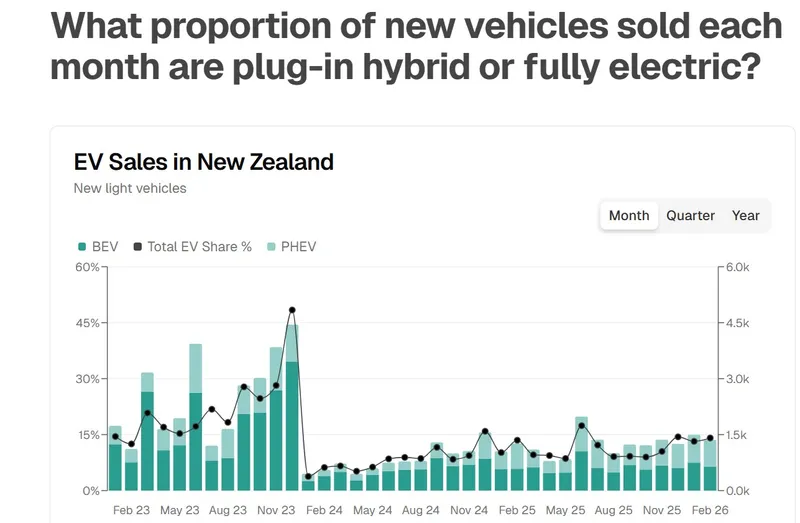
Driving isn’t the only thing getting more expensive as the oil crisis deepens. Plane fares are set to rise for the foreseeable future as the Iran war pushes up the price of jet fuel. Air New Zealand has already announced it’s cancelling 1,100 flights in a move affecting 44,000 passengers.
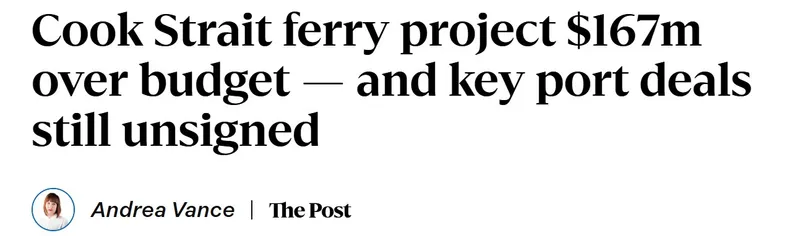
It’s encouraging the government has struck a deal for new ferries to provide an alternative for some of the people hoping to cross Cook Strait. The only thing that would delay the scheduled 2026 arrival of the iReX ferries is if the government spent $500 million cancelling the contract and replacing it with a deal for smaller boats which is already suffering cost overruns.
Unfortunately, it does appear all the moves listed above did occur during this term of government. But at least there’s hope for the future. The last thing we’d want to do is double down on our dependence on oil. Over time, the clean car standard should still ensure our transport fleet becomes more electrified and fuel-efficient; better able to adjust to a world where oil supply is uncertain and intermittent. Hopefully there are no plans afoot to scrap it entirely.

Hayden Donnell
Hayden Donnell is a senior writer for The Spinoff. He previously worked at RNZ, TVNZ and the New Zealand Herald, alongside other media companies that have since closed down or been renamed. His primary passions are local politics and the Big Fresh animatronic fruit and veggies.


