Why the black market for pounamu is booming

The illegal trade of pounamu is growing (Photo: Getty Images; design The Spinoff)
Local iwi hope a first-of-its-kind conviction will send a message to those operating in the alluring trade of the rare stone.
Pounamu is a taonga. For many hapū of Ngāi Tahu, it is also a tupuna. A recent spate of large-scale pounamu thefts has shone a light on the pounamu black market in Aotearoa, with a first-of-its-kind prosecution being brought against a duo for having 18 kilograms of the precious stone in their possession when trying to leave the country in 2024.
Now, Ngāi Tahu and the police are looking to crack down on the illegal export of pounamu. But how is the black market operating and why is it so enticing for those participating in it?
What is pounamu?
Like many rare stones, pounamu is created under great pressure. Pounamu is formed deep within the Earth’s crust through intense heat and pressure, which metamorphoses minerals like greywacke and dunite into nephrite jade. This metamorphic process, occurring over millions of years along tectonic plate boundaries, creates a tough, interwoven, fibrous structure. Pre-colonisation, pounamu was a prized possession for Māori due to its immense toughness. It was as valuable to Māori as gold was to Europeans.
What is the pounamu black market?
Because pounamu is a rare and highly-treasured stone found only in Aotearoa, specifically Te Waipounamu, it carries high value. Like most things worth a lot of money nowadays, people try to exploit it for a profit.
The black market involves the illegal extraction, trade, and export of this sacred stone overseas, with significant thefts occurring on the West Coast. Massive quantities of raw stone – including a recent one-tonne recovery in April – are stolen for profit and often sold online and exported to Asia, particularly China.
According to Te Rūnanga o Ngāti Waewae chair Francois Tumahai, Ngāi Tahu suspects the mining industry is central to the black market. “The only place that it’s coming from in any quantity to ship off seas is through the alluvial gold mining industry. It’s that simple,” he told 1News.
Stolen pounamu is the second most traded commodity for drugs after money. In 2020, it was reported that gangs had become heavily involved in its illegal trade.
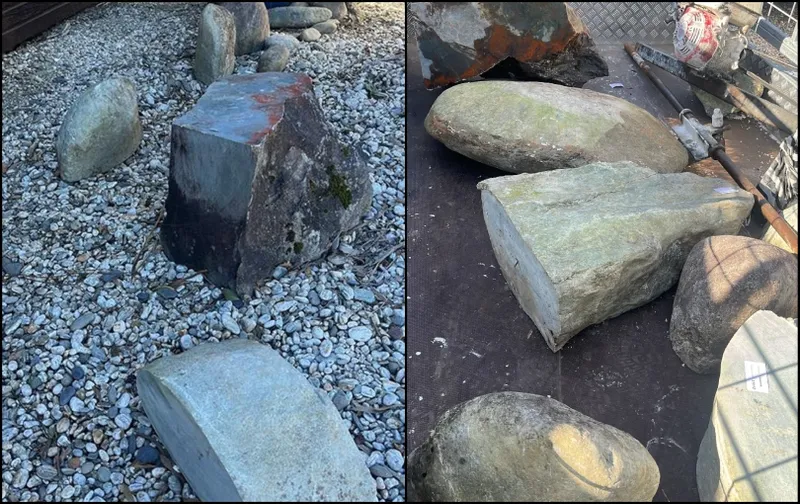
Who owns pounamu?
Legally, all pounamu belongs to Te Rūnanga o Ngāi Tahu thanks to the Ngāi Tahu (Pounamu Vesting) Act 1997. This includes all naturally occurring pounamu in its natural state within their tribal territory. Beyond this, pounamu can be purchased and sold freely in the market.
Who can legally harvest pounamu?
Ngāi Tahu manages the sustainable management, protection, and extraction of the stone. Hapū of Ngāi Tahu are responsible for granting permits to harvesters of pounamu within their tribal boundaries. Applications must be made to hapū, who then notify the relevant authorities. The types of permits – some permits are only for higher-grade pounamu or specified amounts within certain time periods.
Fossicking for pounamu is legal on certain West Coast beaches, but there are rules around how much a person can gather at any one time. Generally, a person can take no more than can be carried in a backpack within a 24-hour period.
How much is the pounamu market worth?
It’s unclear exactly how much pounamu there is in Aotearoa but its value is obvious. Depending on the quality of the pounamu, prices can range from $220 to $2,200 per kilogram, making it an attractive commodity for those looking to make a quick buck. A single 1.8 tonne stone located in Rotorua is estimated to be worth at least $1.3 million.
What is being done to stop the black market?
Convictions for pounamu theft in New Zealand are relatively rare, but recent landmark cases have highlighted active enforcement by authorities and iwi, particularly with large-scale thefts. In 2007, a father and son were found guilty of the theft of hundreds of thousands of dollars worth of pounamu from the West Coast.
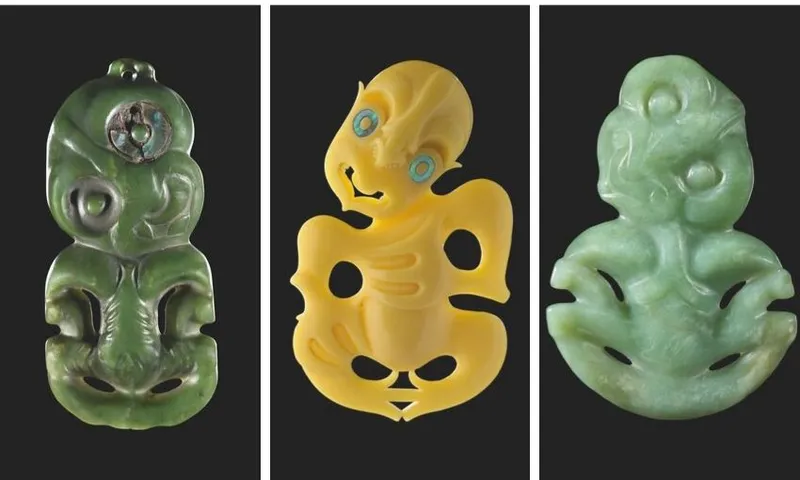
Last month, a mother and son became the first people in Aotearoa to be prosecuted for attempting to illegally export pounamu. In 2024, the duo were caught by customs attempting to take more than five times the legal limit of five kilograms out of the country. Ngāi Tahu has its own tribal management plan and authentication process for ethically-sourced pounamu. This pounamu prominently displays a mark of authenticity and an exclusive trace code, identifying the origin and whakapapa of the stone.
Speaking to RNZ, Ngāti Māhaki ki Makaawhio representative Susan Wallace said online platforms such as Trademe had indicated a desire to ensure they weren’t enabling the sale of illicit pounamu. In an interview with 1News, Te Rūnanga o Ngāti Waewae chair Tumahai said members of the iwi regularly monitor online marketplaces for illegally harvested pounamu, with any suspicious listings being reported to the sites.
When it came to monitoring, Wallace acknowledged there were difficulties with trying to monitor harvesting over such a vast and remote area. Because of this, she said the hapū relies on relationships with local communities and the police to aid with enforcement of the rules.
What comes next?
Wallace said she would like to see export weight limits decreased from five kilograms and tighter scrutiny of those looking to export the stone overseas. For Tumahai, empowering iwi members with monitoring and compliance powers – such as the ability to issue fines to illegal harvesters or enter mining sites to ensure compliance – has long been on the wish list.
In the meantime, iwi and hapū will continue to rely on public reports, customs, the police and their own monitoring efforts to help stem the flow of illegally harvested pounamu from Aotearoa.
Liam Rātana
Liam Rātana (Ngāti Wairupe/Ngāti Kurī) is editor of The Spinoff's Ātea section. He is passionate about indigenous and minority issues. Liam enjoys cooking, poetry, photography, and exploring the outdoors.


