Te Pāti Māori says it has moved on from the chaos. Will Māori voters agree?

It’s all systems go for Te Pāti Māori. (Photos: Getty Images; Supplied. Design: The Spinoff)
Made with the support of
Te Pāti Māori is asking voters to focus on its vision for the future, but the fallout from last year’s dramatic split remains impossible to ignore.
There’s a saying in te ao Māori: Tūngia te ururua, kia tupu whakaritorito te tupu o te harakeke. Set fire to the overgrown brush, so the new shoots of the flax can spring up. Te Pāti Māori will be hoping it can clear away the old and start afresh as it campaigns ahead of November’s general election.
It was about a year ago that Te Pāti Māori was almost swallowed by controversy. The falling out between the party’s leadership and two of its MPs, Mariameno Kapa-Kingi and Tākuta Ferris was painstakingly documented and resulted in their expulsion from the party. Questions were asked of the party’s president, John Tamihere, and co-leaders, Rawiri Waititi and Debbie Ngarewa-Packer.
While the leadership trio survived the intense scrutiny, questions persist around the party’s unity heading into November. After winning six of the seven Māori seats at the 2023 election, Te Pāti Māori goes into this election with, for all intents and purposes, only four remaining, now Ferris, who represents Te Tai Tonga is independent, and Kapa-Kingi has announced she will contest Te Tai Tokerau via a newly-launched party.
Te Pāti Māori acknowledges there is work to do to rebuild trust with Māori voters. But can it do it?
Party president John Tamihere is key. After Kapa-Kingi challenged the validity of his leadership in court, Tamihere has been attempting to quell concerns about his leadership, particularly accusations by Kapa-Kingi’s son Eru that he runs a “dictatorship”.
Despite a “grand reset”, the falling out between the party’s national leadership and electorate committees – particularly in Te Tai Tokerau and Te Tai Tonga – is an ongoing issue that will impact which way the votes fall in November. Waititi says the party’s seven electorate committees are critical to its success. But saying that and getting their backing are two different things.
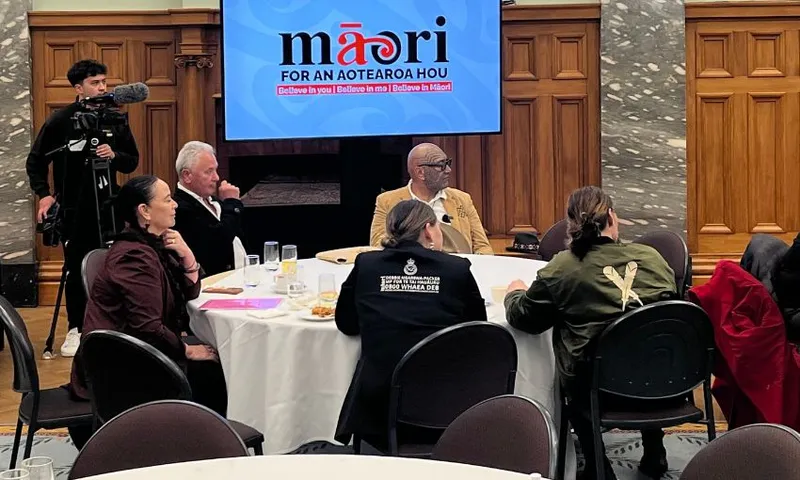
Following the expulsion of Kapa-Kingi and Ferris, the electorate committees of their respective electorates resigned. Many of those committee members now support their respective MPs’ campaigns for the election. Those committee members take not only their votes with them, but are likely to influence members of their whānau to abandon Te Pāti Māori too.
But it’s not just a Te Tai Tokerau and Te Tai Tonga issue. Some Te Pāti Māori members in other electorates were also reportedly upset with how the national leadership handled the drama. Even members of Waititi’s electorate, Waiariki, spoke out against the party’s leadership.
Former party leaders and those involved with the establishment of Te Pāti Māori have been critical of the leadership too. Te Ururoa Flavell, who led the party from 2013 to 2018, stated on social media that “the party had lost its way” and “had moved away from the kaupapa”. He called for a change of leadership, and was echoed by the party’s inaugural national secretary Amokura Panoho.
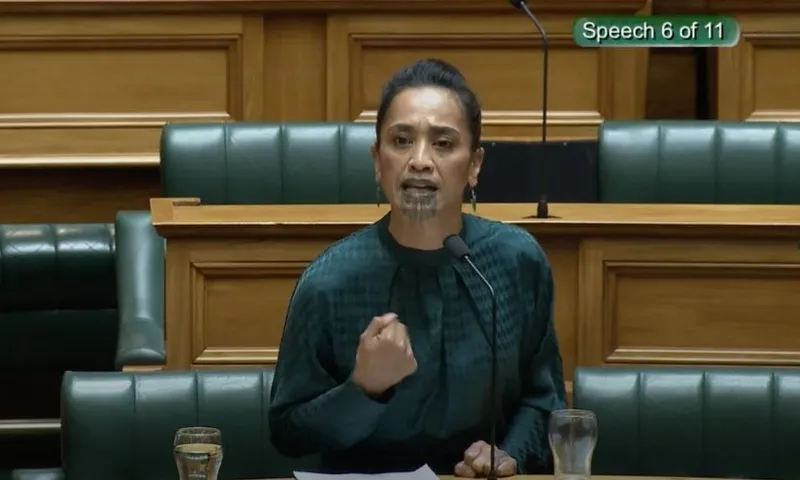
It all means the party’s candidates are even more critical this election than any other. Two pivotal people are Hauraki-Waikato MP Hana-Rāwhiti Maipi-Clarke and Tāmaki Makaurau MP Oriini Kaipara. Both have stuck with the party through its troubles and Tamihere will be relieved that Maipi-Clarke, who remains popular, and Kaipara, who so recently proved her pulling power in the Tāmaki Makaurau by-election, are onboard for November.
There are other promising candidates. In Te Tai Tokerau, revered Ngātiwai iwi leader Aperahama Edwards is standing for Te Pāti Māori against his close whanaunga and former Ngātiwai Trust Board chief executive Hūhana Lyndon of the Green Party. They take on Labour’s Willow-Jean Prime, but, messily, also Kapa-Kingi, under the banner of her newly formed Te Tai Tokerau party.
Te Pāti Māori has Haley Maxwell contesting Ikaroa-Rāwhitii, which is the only Māori electorate the party failed to win in 2023. Lisa Marie Murch is the party’s only other new candidate, looking to dethrone Ferris in Te Tai Tonga. Waititi, Ngarewa-Packer, Kaipara, and Maipi-Clarke will all look to defend their seats, but all except Kaipara face strong competition (Labour’s Peeni Henare won’t contest Tāmaki Makaurau again).
The party is now rolling out its vision, announcing two flagship policies in the past week. It plans to establish a Māori education authority to form “the cornerstone of Te Pāti Māori’s wider education policy, which also includes expanding school lunches, free public transport for all students, free school counselling, making te reo Māori a core curriculum subject to year 10, increasing student support, and strengthening the education workforce”.
Yesterday it announced it would make all Waitangi Tribunal recommendations binding, establish a parliamentary commissioner for te tiriti, and require every bill before parliament to include a te tiriti impact statement.
There’s also a raft of policies on its website, published in June. The thread through them all is Māori self-determination, reaching across nearly every area of public life. The party proposes Māori-led authorities not only for education, but for health, and justice, and wants constitutional reform grounded in te tiriti, stronger protections for te reo Māori, and investment in housing, economic development and community wellbeing.
Other notable commitments include banning seabed mining, rejecting genetically engineered foods, ending the state removal of Māori children from their whānau, declaring Aotearoa a militarily neutral nation, withdrawing from military alignments seen as undermining sovereignty, and supporting Māori-owned supermarkets as part of a broader push for kai sovereignty. The party frames these policies as restoring rangatiratanga, returning power and resources to Māori, and reshaping institutions around Māori values rather than reforming existing systems.
However, none of the party’s policies matters if it finds itself outside of government after the election. Its only natural coalition partners – after voters punished the party for supporting the John Key-led government between 2008 and 2014 – are Labour and the Greens (and possibly Opportunity should it make it into Parliament). But will Labour work with Te Pāti Māori, particularly if it doesn’t need its support to form a government? While leader Chris Hipkins hasn’t ruled out working with with Te Pāti Māori, Labour has attempted to distance itself from the party since its troubles began.
Whether Te Pāti Māori finds itself sitting at the decision-making table or on the fringes after this election hinges on how many seats it can win, and whether a Labour-Greens coalition needs its support. While it currently appears neither Labour or National would be clamouring to work with Te Pāti Māori, the same could have been said for New Zealand First heading into the last election.

Liam Rātana
Liam Rātana (Ngāti Wairupe/Ngāti Kurī) is editor of The Spinoff's Ātea section. He is passionate about indigenous and minority issues. Liam enjoys cooking, poetry, photography, and exploring the outdoors.


