‘Kei hea te tika?’: Hūhana Lyndon accuses Waitangi Tribunal of silencing wāhine Māori

Hūhana Lyndon was denied the right to split her speaking time at the Mana Wahine Inquiry. (Photo: Supplied. Design: Tina Tiller).
A Green MP wouldn’t backdown on a request at the Waitangi Tribunal. Neither would the judge. What really happened?
Last week, Green MP Hūhana Lyndon stood at Mōtatau marae in Northland, before the Waitangi Tribunal. The words “toitū te Tiriti” and an image of Te Kara were woven into Lyndon’s red paraikete draped over the lectern, while photos of her tūpuna sat on the table in front of her. Behind Lyndon, depictions of local tūpuna – carved by women – stood tall, watching over proceedings.
Lyndon was there as a claimant in the ongoing Mana Wahine Kaupapa Inquiry, but also as an uri of Ngāti Hine, the principle iwi of the rohe. Lyndon is a mana wahine and well respected figure in Te Tai Tokerau.
At the end of the first day of hearings, Lyndon’s counsel, Brooke Loader, requested Lyndon’s speaking time the following day be split amongst fellow submitters, Green Party co-leader Mārama Davidson, former Kaipara district councillor Ihapera Paniora, Labour Party candidate for Tāmaki Makaurau Kerrin Leoni, and researcher Nicki Wakefield. All have particular experiences Lyndon believed made their perspectives invaluable to the Tribunal’s investigation.
The request had already been made (late) in writing, in a memorandum filed in April. Judge Sarah Reeves, the presiding officer of the inquiry, had denied the request.
“The filing of evidence out of time and the late request for additional witnesses allows insufficient time within an already full two-weeks of hearings for parties, including the Tribunal, to review the evidence and prepare for effective questioning,” Reeves said in the memorandum.
Now, the judge denied the request again.
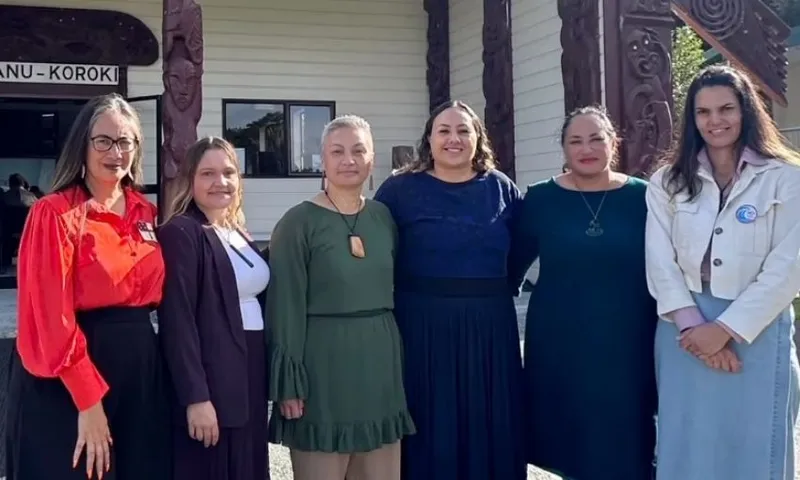
“My intention was to be able to share space and to bring their intellect, their experiences and their recommendations to the tribunal on how we can improve, bust down barriers, and look at structural change,” Lyndon told The Spinoff.
In the memorandum, Reeves acknowledged the witnesses may bring value to the Inquiry, but stated as the briefs of evidence were filed late, “the failure to comply with the Tribunal’s directed process cannot be overlooked”.
At the hearing, Reeves reiterated that beyond being filed late, the additional briefs of evidence “contained no substantive content that really gave us any insight into what they were going to add to the kōrero”. She said they “felt like they were being filed as a holding pattern that we [the Tribunal] would agree for them to be included”.
Lyndon disagrees. “I could clearly see the themes in the kaupapa that they wanted to speak to,” she says.
The next day, with Lyndon set down as the first speaker, Loader timidly repeated her request for a third time, citing the Treaty of Waitangi Act as basis for flexibility in how the Tribunal operates. The request was again denied, with Reeves appearing frustrated with having to repeat her stance, stating: “I made a decision, and I don’t intend to revisit that.”
When Lyndon took the stand, she closed her laptop and proceeded to reaffirm her connections to the whare and local hapū and iwi. With tears in her eyes, Lyndon expressed her disdain of the Tribunal’s decision to not allow her to split her speaking time, specifically addressing panel member Ruakere Hond: “Kei hea te tika o tērā? Where is the fairness in that?”
Hond responded by stating (in te reo Māori) that the day was already full with speakers, and that is why the decision had been made. Lyndon reiterated that she was only requesting to split her speaking time with the other wāhine.
However, Reeves reaffirmed her position about the briefs of evidence. After some back and forth, Lyndon said she believed the decision was “grossly unfair” and that she felt the group had been prejudiced, before standing down and choosing not to speak any further.
At its core, the Mana Wahine Kaupapa Inquiry is focused on actions of the Crown that have caused prejudice to wāhine Māori, specifically the denial of their mana and the systemic discrimination, deprivation, and inequities experienced as a result. Four pou frame the inquiry: rangatiratanga, whenua, whakapapa/whānau, and whai rawa.
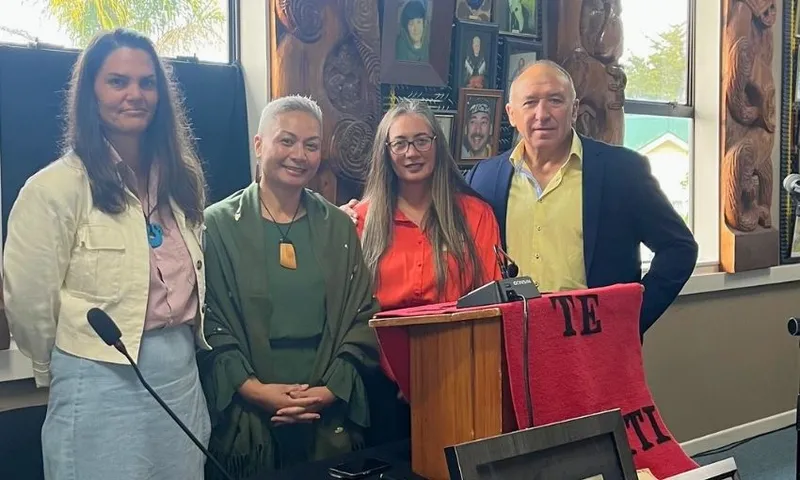
The current round of hearings is focused on rangatiratanga – the right to exercise authority. Lyndon believes the decision to stop her splitting her time amongst the group of wāhine amounted to a breach of te Tiriti o Waitangi by the Tribunal. She says it is ironic the Tribunal, led by a mana wahine in her own right, denied the mana of the wāhine who wished to speak about that very topic.
“This is our Waitangi Tribunal, which made the experience even more cutting,” Lyndon says.
“To then be told – under the procedural guise of fairness – that allowing my witnesses to speak could somehow prejudice others felt humiliating. It’s not a competition; it’s about ensuring our voices are heard fairly,” she said.
In addressing a request for time to be split among other claimants in the April memorandum, Reeves stated “claimants and witnesses may determine whether their allocated time is divided between the witnesses or used to present collectively as a panel, so long as the indications concerning focus and overall time allocations are kept to”.
Speaking to her decision, Reeves said that former Wellington mayor Tory Whanau, current Green MP for Wellington Central Tamatha Paul, former Labour minister Kiritapu Allen were all scheduled to present to the panel this week in Wellington. Therefore, she felt there was sufficient perspective of wahine Māori elected to representative positions in the inquiry.
Lyndon isn’t convinced. “For her [Reeves] to take such a calculated, ture Pākehā approach really undermined what I believed tikanga within the process was supposed to allow. As my legal counsel argued under the Waitangi Tribunal Act, the Tribunal is meant to be flexible and create space for tikanga. In this case, that space simply wasn’t allowed.”
She says she is in the process of drafting a formal complaint to the chief judge about “mamae” she and the other wāhine felt and the “wairua” with which the decision was made. The hearings in Wellington are set to conclude today.
“I’m not going anywhere. I’m a claimant, and it’s my right to be seen and heard, and I will continue to bring those same ladies back and others to bring their truth. And they will.”

Liam Rātana
Liam Rātana (Ngāti Wairupe/Ngāti Kurī) is editor of The Spinoff's Ātea section. He is passionate about indigenous and minority issues. Liam enjoys cooking, poetry, photography, and exploring the outdoors.


