Budget 2026 boosts Māori media – but leaves many whānau to struggle

Māori media is safe for now. (Image: The Spinoff).
While some investments were targeted at Māori, critics say the government has its priorities wrong and the budget will leave Māori communities continuing to struggle.
For all the political theatre around Budget 2026, the Māori story is relatively simple: targeted cultural and settlement investments on one hand, and growing accusations of economic neglect on the other.
The government has poured tens of millions into Māori media, aquaculture settlements, court infrastructure and cultural promotion, while simultaneously extracting major savings from Te Puni Kōkiri. That’s against a background of mounting criticism over Māori unemployment, rising living costs and cuts to broader development funding.
The headline Māori announcement is a $48m package over four years aimed at stabilising the Māori media sector following fears of a looming fiscal cliff. The money, held in contingency, will support Māori broadcasters adapting to digital platforms, commissioning new te reo Māori content, developing talent and strengthening capability across the sector.
For months, Māori media organisations have warned the sector faced severe financial pressure as temporary funding streams began drying up. Responding to the budget announcement, Te Māngai Pāho kaiwhakahaere Larry Parr described the announcement as “significantly brighter than we had been anticipating”.
“Investment into the revitalisation of te reo Māori is an investment in the identity, culture and future wellbeing of all of Aotearoa New Zealand,” he said.
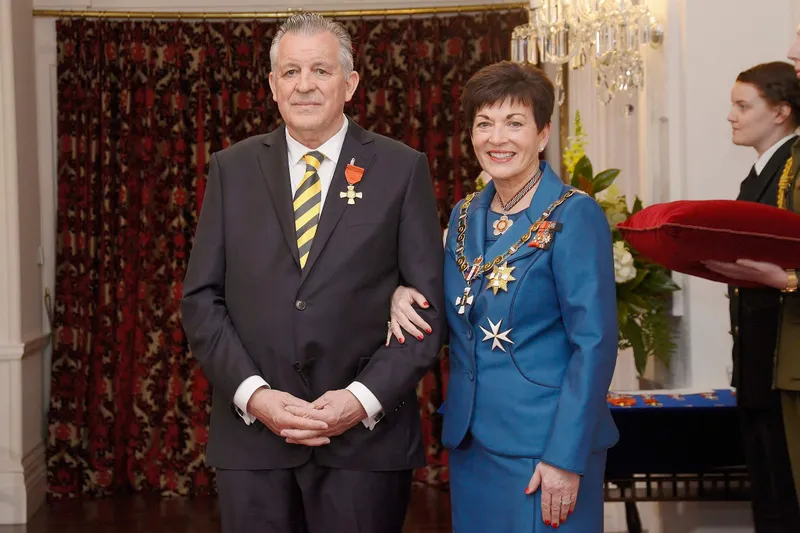
The budget stopped, however, of fully restoring the sector’s financial position, with Parr saying it “does not completely remove the pressure on our baseline funding”.
The government has also reprioritised $10m from the Māori Development Fund toward Te Māori Manaaki Taonga Trust, to support trade-focused events, showcasing Māori arts and products internationally and workforce development tied to taonga and creative industries.
Meanwhile, Māori settlement obligations continue to carry a hefty fiscal price tag. Budget 2026 allocates $8m toward aquaculture settlement obligations under the Māori Commercial Aquaculture Claims Settlement Act, although significant portions remain commercially sensitive and withheld from public release. The full $8 million has been specifically allocated to the 2026/27 financial year.
There is investment in justice infrastructure, including $6.5m over three years towards new Rotorua High Court, District Court and Māori Land Court facilities.
Elsewhere, there were smaller, symbolic investments, including $400,000 to expand the Ngārimu VC and 28th Māori Battalion scholarships programme, additional support for Māori-medium education as part of wider school infrastructure spending and ongoing contingency funding for Treaty of Waitangi settlement negotiations.
What did opposition parties and Māori advocates make of all this? The overall take was this was a budget of imbalance.
Te Pāti Māori highlighted figures showing a reported $136m reduction in Māori development funding and accused the government of deliberately deprioritising Māori aspirations while funding defence, prisons and infrastructure. “The overall budget boasts a general increase of $13.4b and Māori took a loss of $34m,” said the party’s co-leader Rawiri Waititi. “Māori are not mentioned once in any of the budget press releases.”
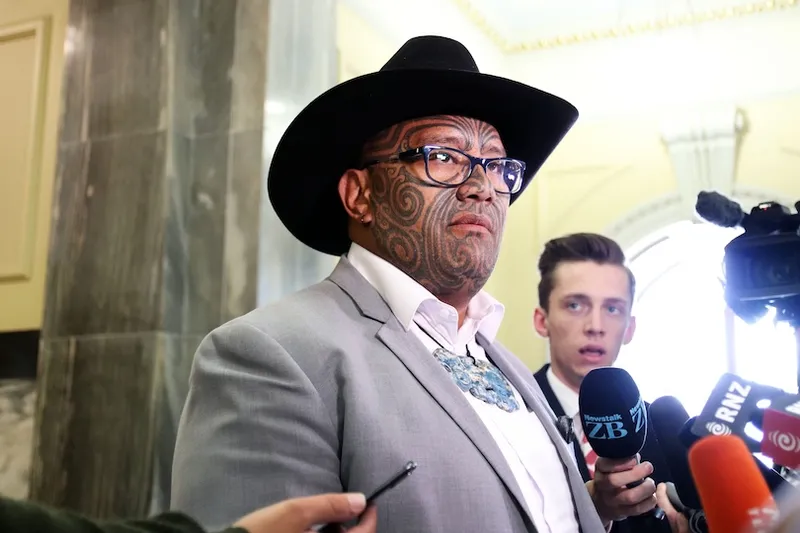
Waititi linked the budget to worsening economic hardship among Māori communities, pointing to rising unemployment, increasing living costs and growing inequality. “People do not experience the economy through GDP graphs,” he said. “They experience it at the supermarket checkouts. At the petrol station. When the rent comes out. When the power bill arrives.”
His broader argument was ideological as much as fiscal, saying the coalition government is shifting public wealth upward while preparing the ground for future privatisation. “This is not a story of the haves and have-nots anymore,” Waititi said. “This is a story of the have-nots and the have-yachts.”
The Green Party had similar concerns. Co-leader Marama Davidson accused the government of abandoning its tiriti obligations “to make way for the super-rich and powerful”. “Despite the desperate need in our Māori communities, Willis has seen fit to again turn away while delivering billions of dollars for landlords, fossil fuel dependency, and new military equipment,” she said.
Community sector organisations also warned the budget lacked meaningful relief for struggling whānau. Te Pai Ora Social Service Providers Aotearoa chief executive Belinda Himiona said that soaring fuel prices and living costs were pushing families and community providers to breaking point. “Whānau are making impossible choices about whether to pay for fuel or groceries or medical appointments.”
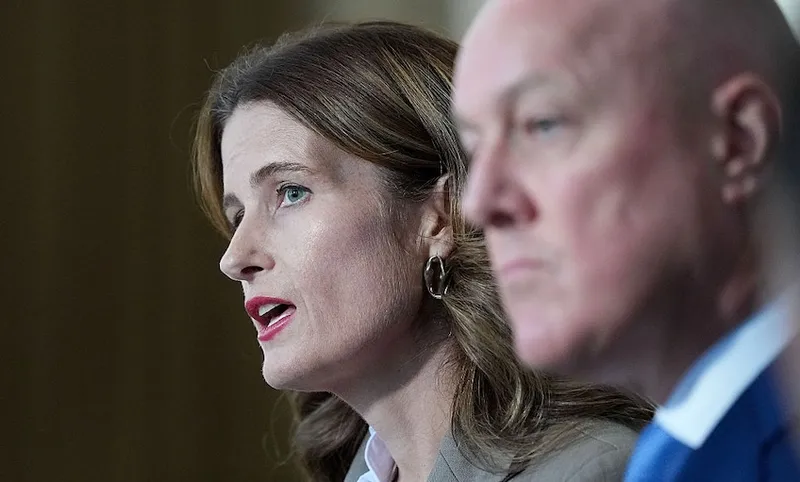
While the organisation welcomed new spending aimed at improving child safety and Oranga Tamariki responsiveness, it argued the broader balance of the budget was wrong. “Many cupboards are nearly empty,” Himiona said. “We are looking for the bare basics and they aren’t there.”
The coalition government, however, is framing the budget as proof it remains committed to te reo Māori and Māori cultural development despite broader fiscal restraint. Māori development minister Tama Potaka said the investments showed the government recognised te reo Māori as “one of the great taonga of this country”.
“The language connects us to our history, our identity, our whenua, and to one another,” Potaka said. “Budget 2026 invests in ensuring te reo Māori remains strong, visible and enduring for future generations.”
Māori-focused spending announcements may help soften criticism around culture and language revitalisation, but they are unlikely to quieten broader concerns about poverty, unemployment and inequality. Independent Te Tai Tonga MP Takuta Ferris said the budget revealed a government more interested in “managing the symptoms of inequality rather than transforming the causes of it”.
Ferris criticised the government for expanding defence and prison spending while Māori communities continued to face rising housing insecurity, worsening mental health pressures and entrenched poverty.
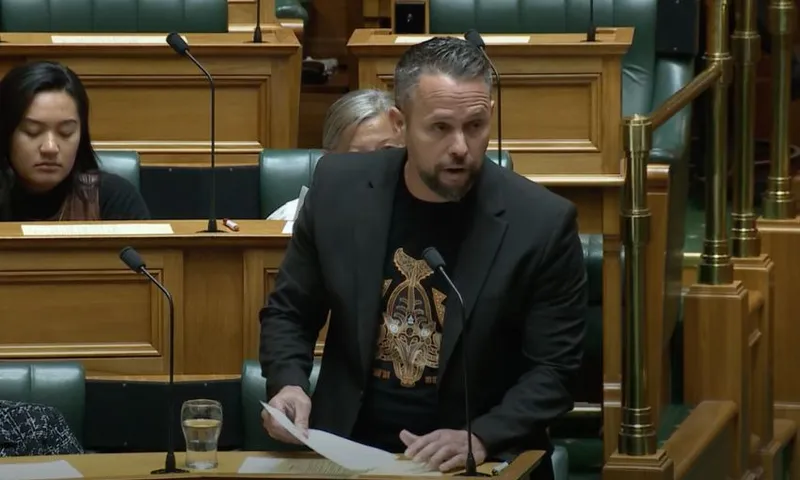
“Budgets are about priorities”, Ferris said. “This government has shown us exactly what its priorities are and Māori communities are still being asked to wait.”
Ferris pointed to more than $500m in Corrections spending and continued defence expansion – including $1.6bn in new funding tied to the government’s broader Defence Capability Plan – as evidence the coalition was investing more heavily in state enforcement than preventative social support.
“We need investment in kaupapa Māori healthcare, affordable housing, addiction recovery, education pathways and whānau support before crisis occurs,” he said.
While Budget 2026 contains Māori investments, many Māori may continue asking: investment into what and for who?

Liam Rātana
Liam Rātana (Ngāti Wairupe/Ngāti Kurī) is editor of The Spinoff's Ātea section. He is passionate about indigenous and minority issues. Liam enjoys cooking, poetry, photography, and exploring the outdoors.


