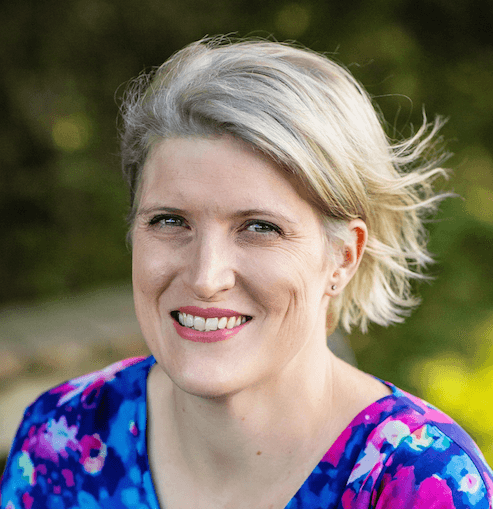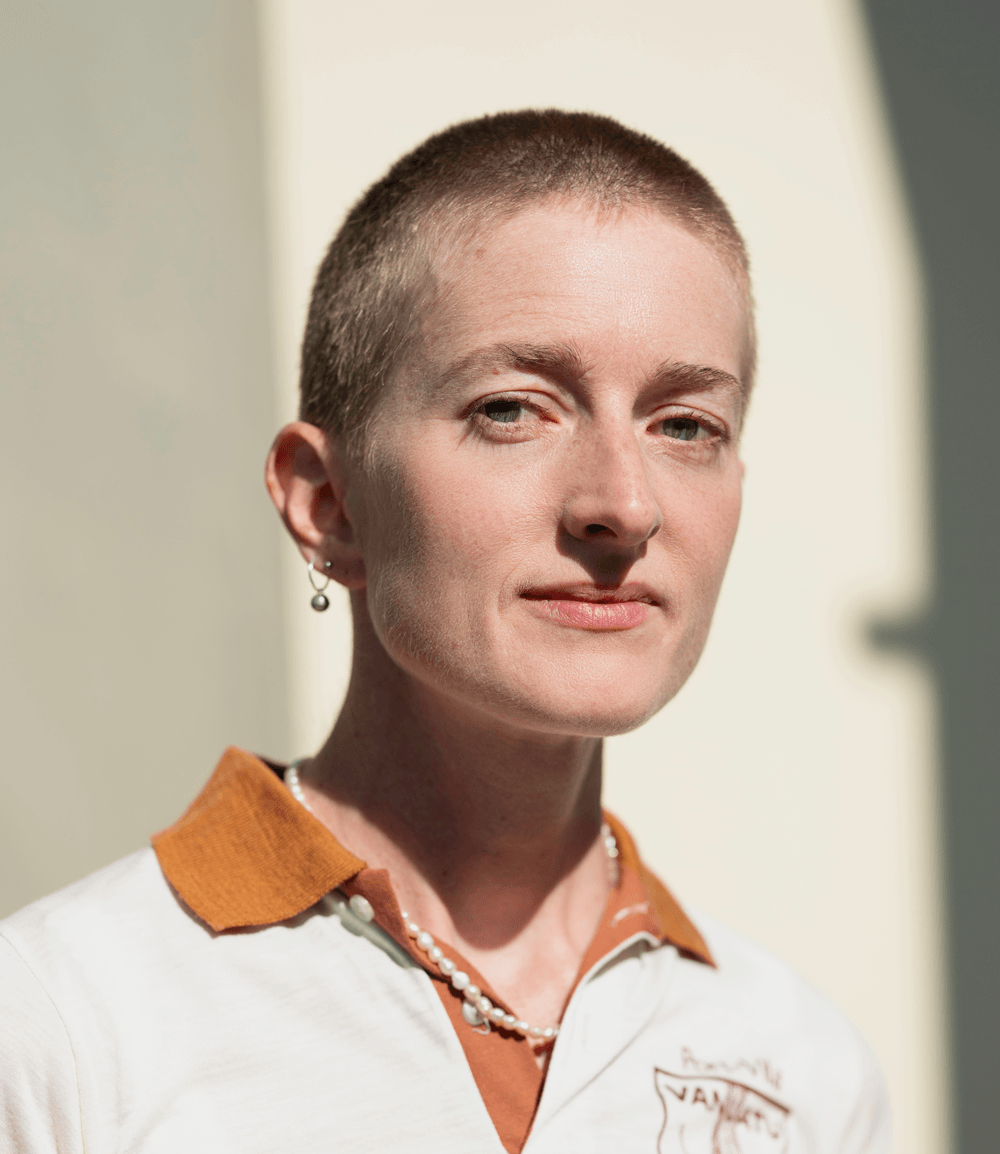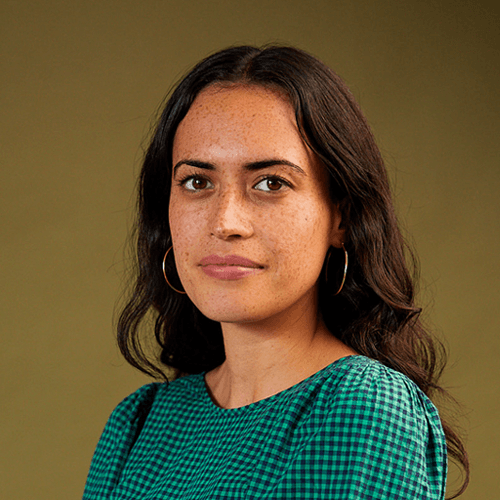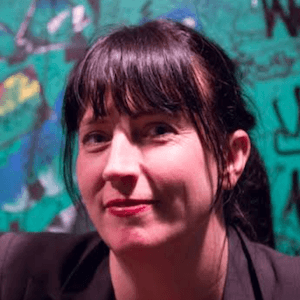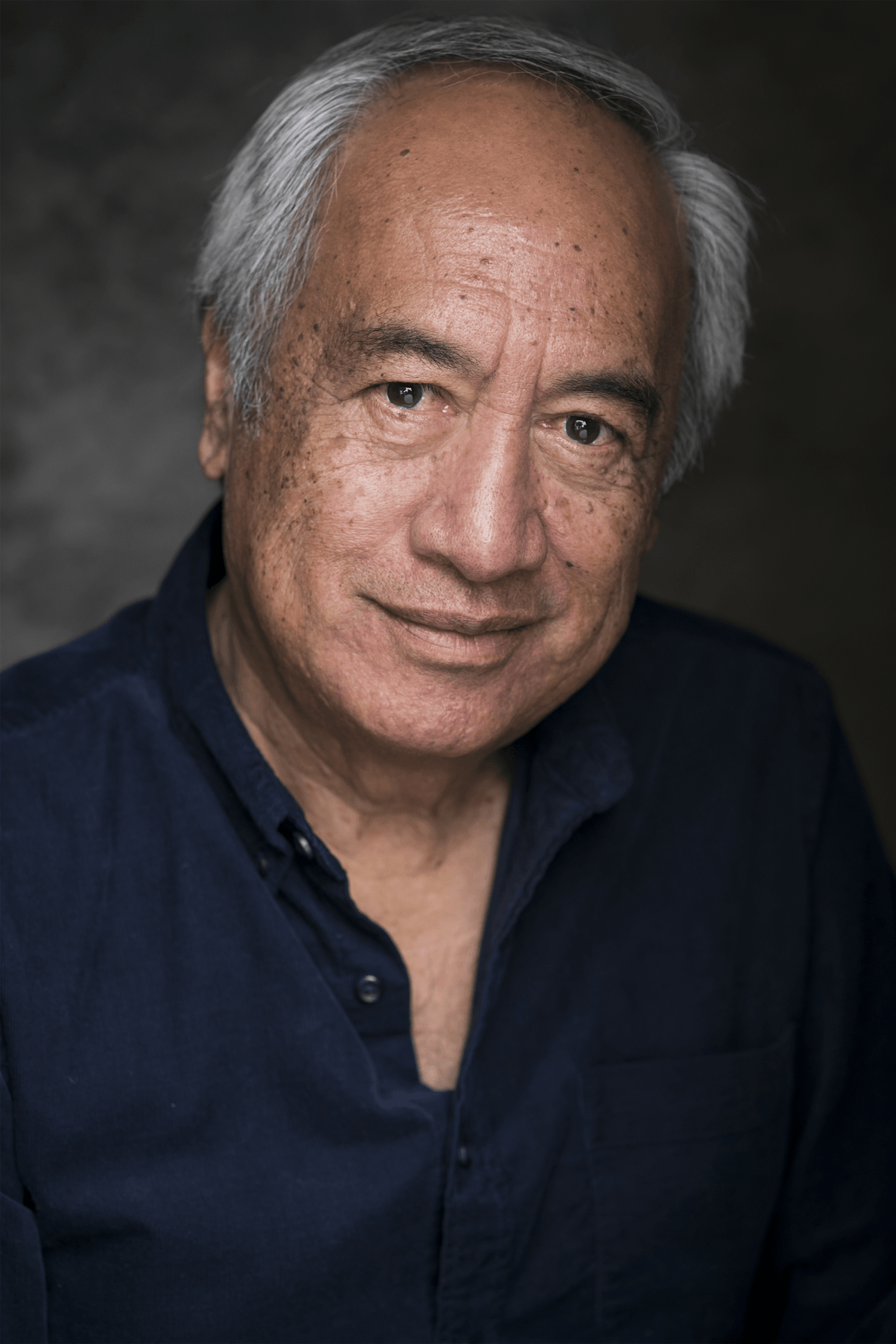

Welcome to The Spinoff Books Confessional, in which we get to know the reading habits of Aotearoa writers, and guests. This week: Dr Sereana Naepi, editor of Oceans Between Us: Pacific Peoples and Racism in Aotearoa.
The book I wish I’d written
Sara Ahmed’s On Being Included came into my life at a pivotal moment. I was working in Māori and Pacific student support at the University of Auckland and anticipating the start my PhD in Canada when my advisor recommended it. Reading it was a revelation; Ahmed had somehow managed to give language to all the various frustrations and systemic barriers I encountered daily in my work, things I had felt and experienced but struggled to name or explain.
I return to Ahmed’s work regularly as it reminds me about the importance of naming institutional problems directly, rather than trying to work around them, so that we can transform institutions.
Everyone should read
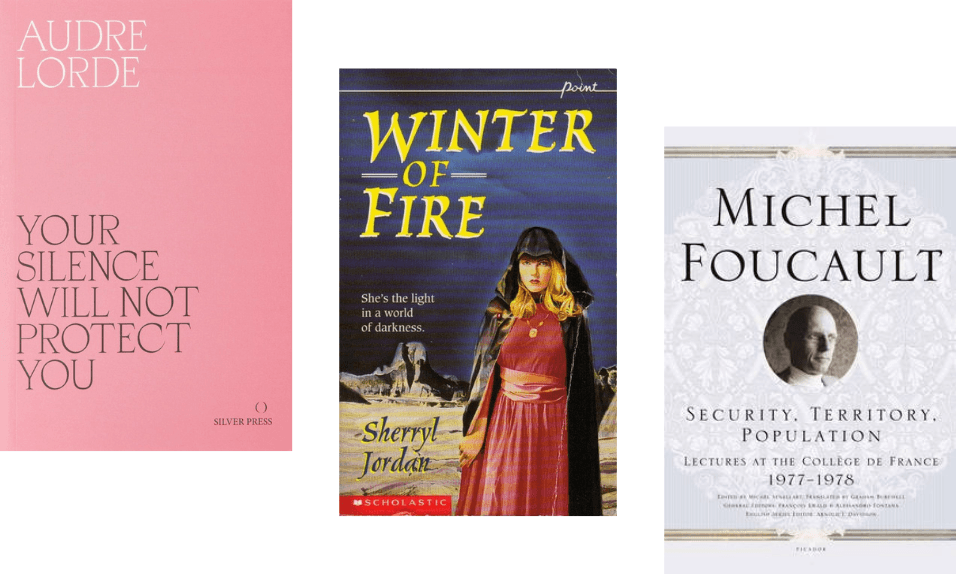
Your Silence Will Not Protect You by Audre Lorde because it brings together so many of her great essays, speeches and poetry. Lorde has an incredible way of articulating complex truths about oppression, identity and resistance in really approachable and connective ways. This particular collection of their work brings home that our silences can make us complicit, and calls for us to speak up and out.
I revisit Lorde’s work often when I need the courage to speak, and to remind myself that it is possible to speak to complexity without being complex.
The book I want to be buried with
Winter of Fire by Sherryl Jordan – specifically my copy of it. It was my favourite book as a tween so my husband found a first edition then got it signed by Sherryl Jordan for my birthday one year. It probably the first book that I remember having a strong female lead who was motivated by a desire for change for her community.
The first book I remember reading by myself
The Adventures of Mrs Pepperpot by Alf Prøysen. We didn’t have a lot of books in my house until my mum started working at Scholastic when I was 12 (as a book nerd this was the dreamiest job my mum could get!). My copy of Mrs Pepperpot had been my mum’s I think and I remember reading it over and over and over again as it was one of the few books I could get my hands on growing up.
The book I pretend I’ve read
Michael Foucault’s Security, Territory, Population – this is oddly specific but it is because Foucault is so central to sociology, but I was trained and mentored in the Indigenous academy which often means that my canon is different. This book sits on my office shelf so naturally people assume I’m a huge Foucault fan and will talk to me about him – but the reason it’s there is because when one of my close friends quit the academy she gave me all her books including this one! It doesn’t mean I’m never going to read it – I just haven’t yet.
Utopia or dystopia
Dystopia. Maybe it’s my line of work but reading about the fears, fantasies and anxieties of our current world played out to the extreme next step is interesting for me. Dystopias often have a pretty standard plot line which also makes them comfortable in their familiarity. There’s usually a character who is fighting against some wider injustice which can offer hope for change in dire circumstances – that can be reassuring in my line of work, too.
Fiction or nonfiction
Fiction. I spend my days in facts and stories about people’s lived realities so the opportunity to escape through fiction is always welcome. I will spend most of the Christmas break churning through novels. I need to do it during the holidays because if I get hooked on a book during the work week everything goes out the window while I find out what happens next.
Best thing about reading
I fell in love with reading as a kid because it could take me to places with people that I couldn’t even imagine. It introduced me to characters who were strong and had long-held convictions. Reading a good book is like visiting an old friend. I commit sacrilege for many and dog-ear my books when reading them, but I love going back and seeing where I stopped last time I read through it, seeing where I couldn’t put it down.
It’s also an activity that can be shared – I read to my kids (who have more books than I had ever seen as a kid!) and love that I can introduce them to the characters that I grew up with and loved when I was their age.
Best place to read
I used to love reading on the train from Auckland to Rotorua when I was a kid: I had two brothers growing up and being on a train for a few hours with uninterrupted reading time was heaven. I think it’s a bit like that now, too – it’s not so much where, but how long? For how long can I immerse myself in this world? When will I be interrupted? A flight down to Dunedin is great for me because I can read all the way through. For work reading, I can be really picky (read procrastination tool of “needing to find the perfect spot”) but usually I like to be outside where I can ground myself alongside the work I’m reading.
What I’m reading right now
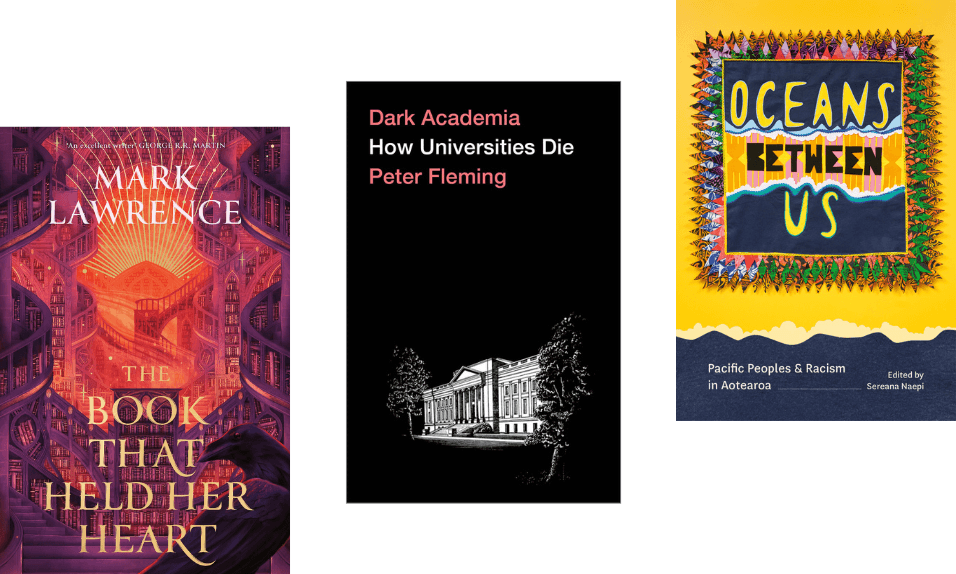
The Book That Held Her by Mark Lawrence. It’s the last in a fantasy series about an eternal library that crosses multiple worlds and the different populations go to war over the knowledge that is held in the library.
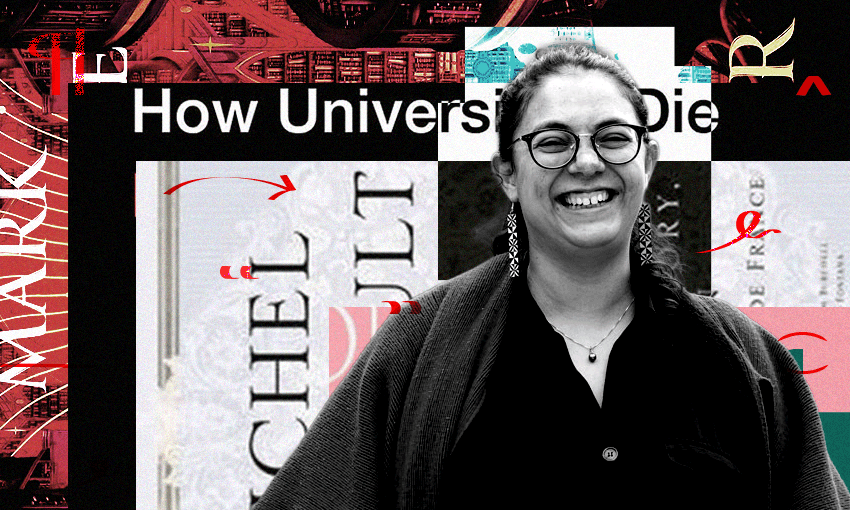
In terms of work reading I’m re-reading Dark Academia: How Universities Die by Peter Fleming which is a book that explores how bureaucratic and neoliberal structures have killed the intellectual pursuit of academia and recounts the personal toll many have paid in pursuit of being part of academia and the broken promises that have been made.
Oceans Between Us: Pacific Peoples and Racism in Aotearoa, edited by Sereana Naepi, is available to purchase from Unity Books.