Chinamaxxing: Why gen Z wants you to ‘diagnose’ yourself as Chinese

Get your hot water and congee ready: it’s time we talked about Chinamaxxing.
A trend that might have been considered cultural appropriation five years ago has gripped the hearts of young people worldwide. What’s going on?
They drink only hot water, smoke a pack of Double Happiness cigarettes a day and top every meal with Lao Gan Ma. They’ve developed Maoist sympathies and a deep suspicion of American propaganda. They religiously repeat the refrain of Edward Norton at the end of Fight Club, but if he were running an underground mahjong operation instead of a boxing ring: “You met me at a very Chinese time in my life.”
Meet the self-diagnosed Chinese, the western-world-based digital natives who wish they could call China their motherland. Since late 2025, a niche social media trend that has come to be known as “Chinamaxxing” has gripped generations Alpha and Z. The obsession is a solution to an ongoing cultural malaise felt by many young people staring into the grim abyss of the rest of their lives: to achieve inner peace, simply become more Chinese.
Too old to be familiar with the trend? Identify the nearest young person within your radius, open their TikTok and you’ll see it for yourself. There are tutorials on how to “looksmaxx” yourself into appearing Chinese or how to repeat gen Z slang like “fuck my chungus life” in Mandarin, recipes for congee and white fungus tea, and general musings on what it means to be Chinese – like, do you “have it in you to hate the Japanese”?
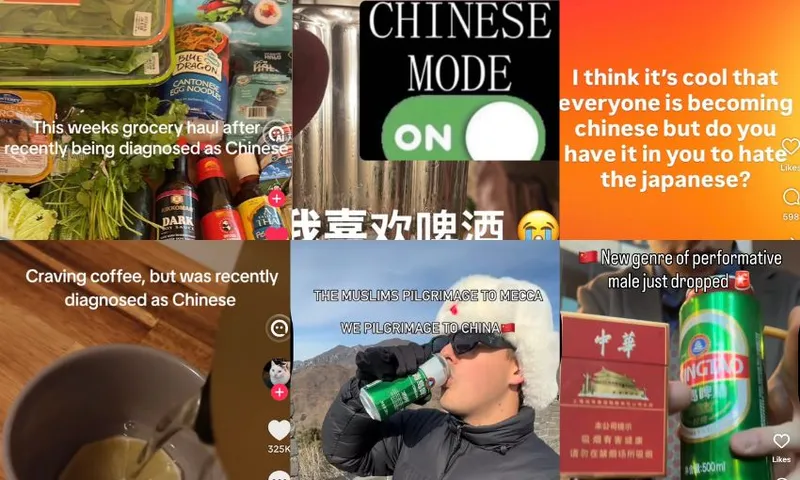
Maybe five years ago, it would have been considered culturally appropriative and taboo to try to adopt another’s culture as your own – think the oft-ridiculed weeaboos, or Ariana Grande’s entire career. And maybe it still is. But while some Chinese netizens have critiqued the craze for its romanticisation and simplification of an entire culture, others have welcomed the apparent overthrow of Sinophobia with open arms.
So, through the lens of western social media, what does it truly mean to “become more Chinese”? Online, there are at least two very easily identifiable types of Chinamaxxers: the health obsessives trying to balance their inner yin and yang, and those dreaming of a life of smoking, drinking and earning your wrinkles.
For the former, the mission is simple; use traditional Chinese medicine and practices to meet your wellness goals. Whether that be stocking the cupboards with tea leaves, boiling apples, draining the lymph nodes through slapping the body or low-intensity exercise such as qigong, westerners are turning to ancient wisdom rather than trying to foot a $100 bill to see the GP.
The messaging is often geared towards female netizens, emphasising the need for women in particular to keep their bodies warm to cultivate their yang energy. It follows other Chinese beauty and wellness practices that have become western trends in recent years, such as gua sha or acupuncture. And in the romanticising of Chinese culture, there’s the assumption that every Chinese person uses these practices on a daily basis, too. In reality, practices like tai chi are most commonly associated with the nation’s ageing population, rather than its gen Zers.
As for the latter – the hedonists of the Chinamaxxing trend – the appeal of adopting a Chinese identity is almost entirely socially driven. Smoking cigarettes and drinking beers is hardly a uniquely Chinese tradition, but the emphasis on communal activities and a collectivist culture (though whether this is still true of China is up for debate) reflects a desire for camaraderie with one’s fellow man.
With the US opening its 2026 by stoking geopolitical turmoil and local violence, the average Joe (or is it Qiáo?) is left wondering what purpose he, she or they have in their society. A disenchantment with America as a global superpower and protector of its public has many turning their eyes to the next model of a strong nation – overlooking China’s own struggles at home. The likes of the Uyghurs or those from Taiwan, Tibet or Hong Kong would have good reason to be wary of the thought of Chinamaxxing.
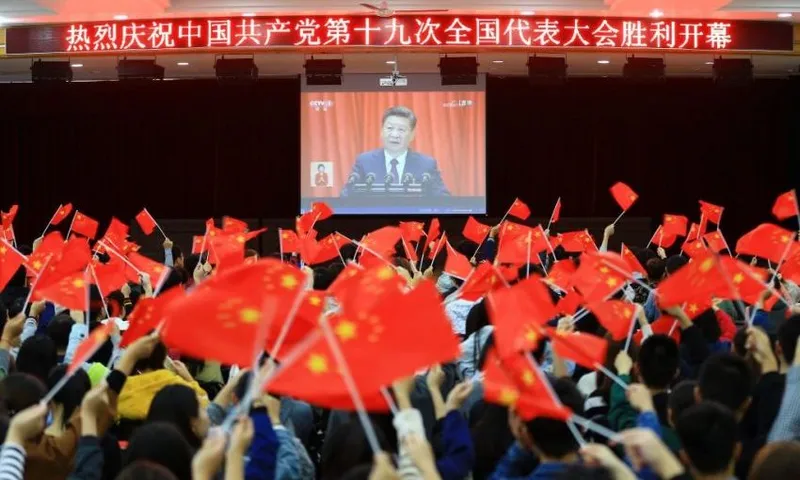
In a piece for Wired, journalist Zeyi Yang notes that the depictions of China this trend portrays aren’t entirely accurate. And, in some instances, this content appears to be bankrolled by the Chinese government, but “the brutal truth is that Chinese state-sponsored content is often simply too crude or heavy-handed to actually influence public opinion”. Rather than a wholly political movement, Chinamaxxing is more so an appreciation – but while some may choose when and where they want to be Chinese, “some of us are stuck being Chinese forever, including all the less fun parts that come with it”, Yang wrote.
But through a New Zealand lens, with a growing Asian population, adopting a Chinamaxxing perspective on life could be argued as a way of growing understanding. We’ve already been Europeanmaxxed, so why not try to understand (whether this is surface level or deeper) the neighbour who some have been taught to blindly fear?
With Chinese New Year on the horizon and ongoing tension between the US and the rest of the world, Chinamaxxing could outlive the regular trend cycles on social media. It may take months for the TikTok girlies to put down their goji berry tea and stop shamelessly calling themselves Chinese. But also, perhaps it’s nice to remember that we’re not so different after all.

Lyric Waiwiri-Smith
Lyric is an award-nominated politics reporter at The Spinoff. She covers parliament from the press gallery, pens the weekly column One MP, One Pint and is endlessly curious about what makes our decision-makers tick. Off the clock, Lyric loves a live gig, a cold brew, and being a Wellingtonian (on a good day).


