All the Greek yoghurts in NZ supermarkets, ranked from worst to best

We tried them all.
The Spinoff team and our cultured palates whey in.
Yoghurt fans are a devoted bunch: people care a lot about this fermented dairy product, our testers were no exception, bravely volunteering to try 11 different varieties of Greek yoghurt sold at New Zealand supermarkets.
But do these Spinoffers know what makes it different to regular yoghurt? Some politely suggested that there were different cultures involved. Senior writer Hayden Donnell responded to my question with a simple “fuck off”. They’re all wrong. Greek yoghurt is thicker. This is due to the whey (a clear-ish liquid that contains sugar and protein) being strained out, resulting in a denser texture, tangier taste and higher protein count. Greek and Greek-style differ a bit too; while there are no firm rules, if a yoghurt is called “Greek-style” it usually – but not always – means that thickening agents or added cream have been used to achieve that density, which is very common in New Zealand.
“Greek yoghurt” has soared in popularity in recent years but it’s basically a marketing term. The Greeks call strained yoghurt straggisto, but no companies or governments have sought to patent the product. Nor does anyone there call it “Greek yoghurt”. Where did that name come from? The term was popularised in the US and UK in the late 1990s by Greek brand Fage. However, we did find a mention of “Greek yoghurt” in a 1984 issue of The Press, detailing Christchurch’s Mykonos Taverna’s use of “thick Greek yoghurt”.
The name certainly suggests old-world knowledge (strained yoghurt has been eaten in the Middle East, South Asia and elsewhere for centuries) and a cultured palate. It feels “a bit fancier”, as one Spinoff staffer pointed out. It’s more expensive than regular varieties because larger quantities of milk are needed to make strained yoghurt.
All yoghurts use the same bacterial cultures, usually streptococcus thermophilus and lactobacillus bulgaricus, as part of their fermentation process (this is how milk becomes yoghurt). They’re the only ingredients you actually need and they’re legally required by New Zealand food standards, which also dictates the number of live bacteria – 1,000,000 – per gram, as well as fat and protein. The level of probiotics varies from brand to brand, impacted by heat and processing, but is generally higher in Greek varieties because the yoghurt is more concentrated.
These healthy properties were familiar to our Spinoffers. Most buy Greek yoghurt because of its nutritional benefits but also because it’s just really yum. They eat it in the morning with granola and berries, or, if you’re Robbie Nicol of Now You Know fame, mixed with some mysterious “health powders”. We use it to make tzatziki, substitute it for sour cream, put it in marinades and curries. You could go so far as to call it a fridge staple (I do), which makes it a high-stakes product worthy of a Spinoff taste test.
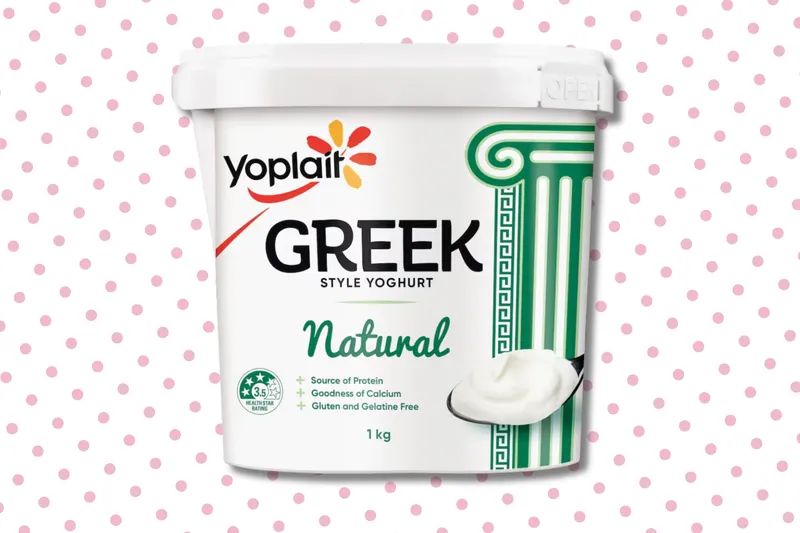
11) Yoplait Yoghurt Greek Natural
2.92/10
$3.69 for 250g from Woolworths ($1.48 per 100g)
Made in New Zealand
Smooth-looking to the point of sloppy, Yoplait was one of the runniest varieties, which raised the question of whether this should be categorised as Greek yoghurt at all. “Not much to write home about,” said both political reporter Lyric Waiwiri-Smith and head of commercial Eli Rivera, united in disappointment. Harsher criticism came from Robbie, who felt this tasted like feet (although he declined to comment when asked by The Spinoff how many feet he’s tasted). “Yucky.” The other half of our Now-You-Know dream team, Isaiah Tour, gave Yoplait a big fat zero.
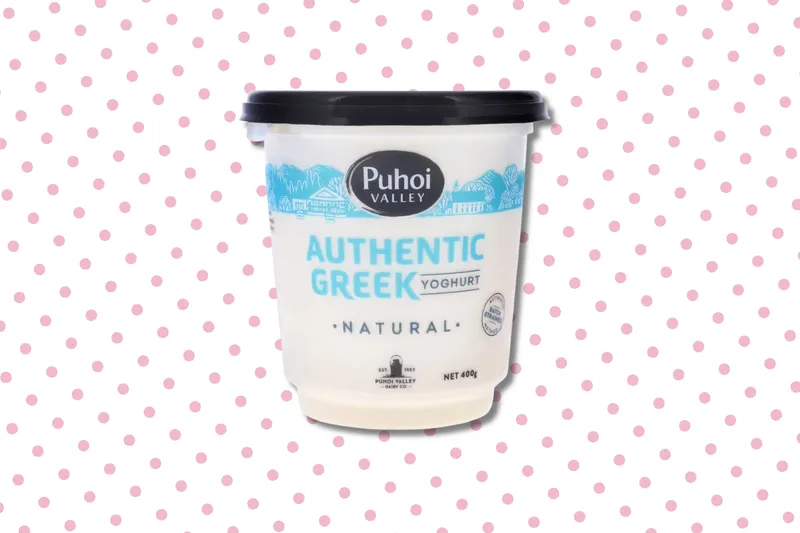
10) Puhoi Valley Authentic Greek Yoghurt Tub Natural
2.92/10
$7.15 for 400g from Woolworths ($1.79 per 100g)
Made in New Zealand
Confusingly, Puhoi Valley sells two varieties of plain Greek yoghurt and both have added sugar. This has 7.2g per 100g and our tasters all noticed. “What the heck!?” said a shocked Eli. “Too too sweet.” It didn’t sit well with Robbie either. “I will add my own sugar to my Greek yoghurt, thank you.”
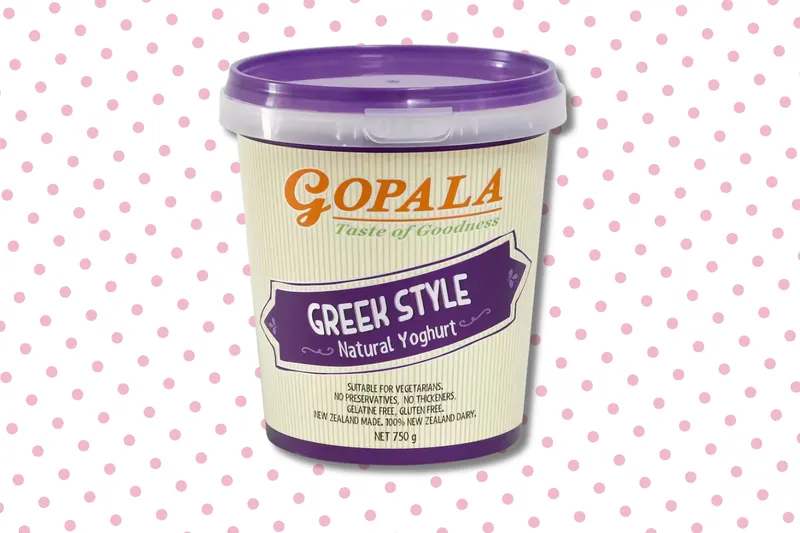
9) Gopala Yoghurt Tub Greek Style
4.12/10
$5.59 for 750g from Woolworths ($0.75 per 100g)
Made in New Zealand
This appeared visibly lumpy with discernible whey and things only went downhill from there; it tasted worse than it looked. Our team was unimpressed with the grainy texture and “insipid” flavour. “Can yoghurt be dry? I think this yoghurt is dry,” Robbie mused. Deputy editor Alice Neville was feeling philosophical, declaring it a “challenging, cerebral yoghurt”. While Hayden Donnell found Gopala to be “mostly inoffensive” (he must have been in a good mood that day) he found “little to distinguish it from the rest besides being moderately worse”. Designer Tina Tiller, on the other hand, was a staunch defender of this New Zealand staple, arguing that it makes a great base for anything and everything. “Some mint, hell yeah! Some fruit, hell yeah!”
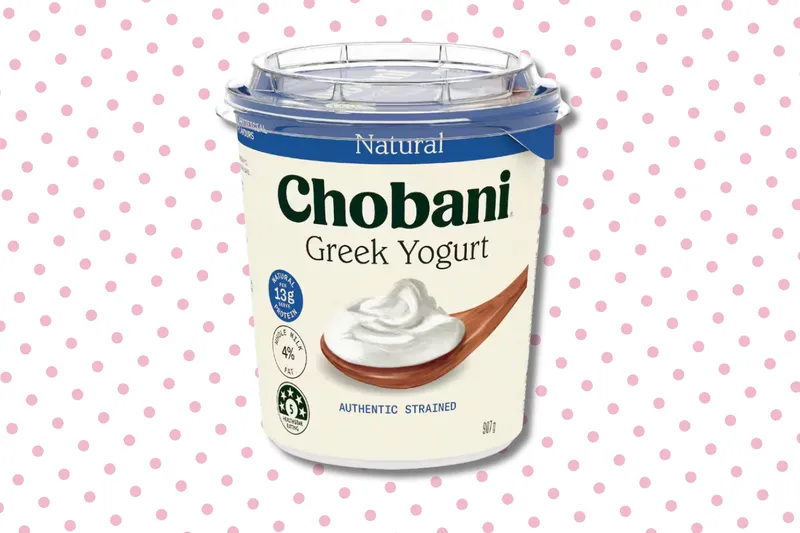
8) Chobani Greek Yoghurt Natural
4.92/10
$8.50 for 907g from Woolworths ($0.94 per 100g)
Made in Australia
A low score for our Australian contender, which didn’t wow our Spinoffers. Complaints included the flavour (bitter, bland) and texture (too runny) as well as some rather graphic prose from an enraged Hayden. “The cow this came out of is chemically maladjusted.”
(I wrote about its “great” thick texture and mild tang, but maybe that was unwitting patriotism considering I was born in Brisbane.)
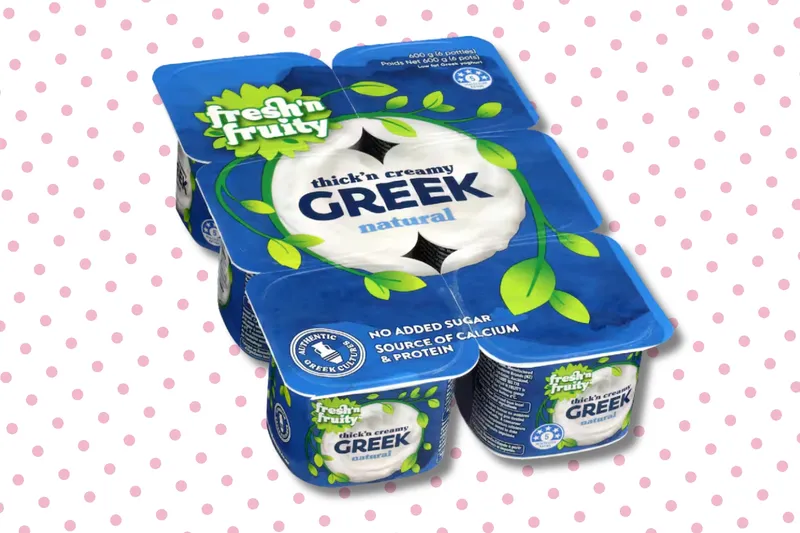
7) Fresh’N Fruity Yoghurt Tub Greek Natural
5.75/10
$5.50 for 600g six pack from Woolworths ($0.92 per 100g)
Made in New Zealand
In a full-circle moment for artisanal husk lovers, Hayden’s top-ranked yoghurt was this cheap and cheerful underdog. He raved about its “substance” and “bulk”, giving it 8/10. So did Lyric, who actually liked the “lumpy texture”. Scores varied widely and not everyone was a fan; Robbie reckoned it tasted like “fridge”. That it might, but it also has the fewest kilojoules and carbohydrates of any yoghurts we tried, making it a good option for people who care about such things.
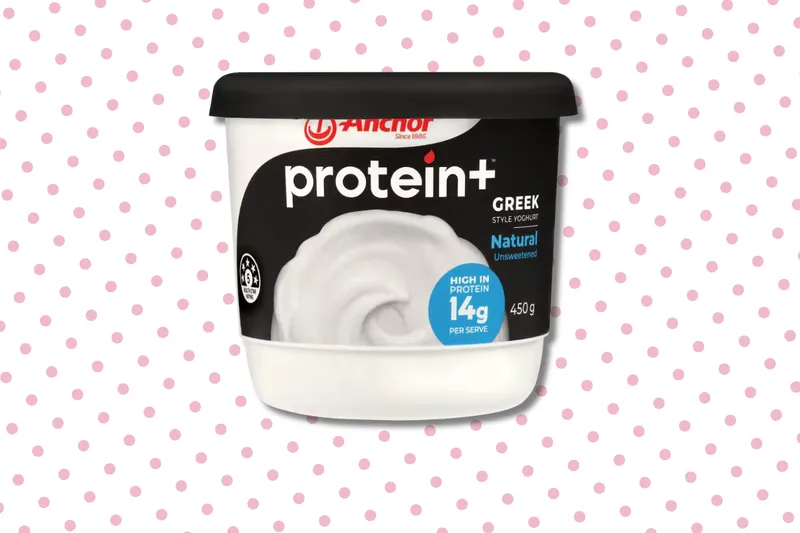
6) Anchor Protein Plus Greek-Style Yoghurt Tub Plain
5.88/10
$6.59 for 450g from Woolworths ($1.46 per 100g)
Made in New Zealand
This is marketed as high protein, but it actually has less per 100g than Kalo, Chobani and Cyclops. It can claim the lowest fat content and does taste quite “healthy”, due to the tart flavour profile and looser texture – the most common criticism. Alice was a fan, however: “Lovely tang level, not too sweet,” she said, musing that it was as “silky and shiny as a 90s ball gown from Pagani”. Ātea editor Liam Rātana was less effusive: “Mid AF.”
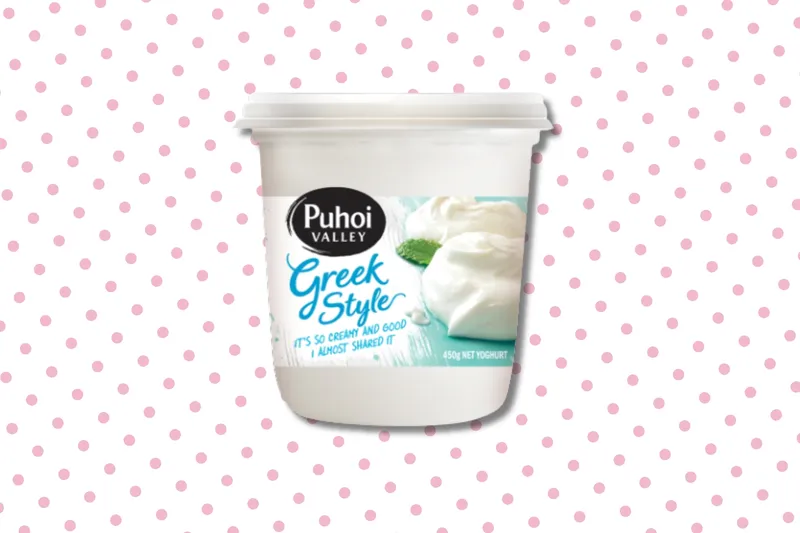
5) Puhoi Valley Greek Style Yoghurt
6/10
$6.59 for 450g from New World ($1.46 per 100g)
Made in New Zealand.
With added sugar and thickener, this rebellious contender is really pushing the limits of the form, but it’s not without fans. This went “down a treat” for Lyric. Isaiah would “probably” buy it – although maybe not after he learned the sugar content.
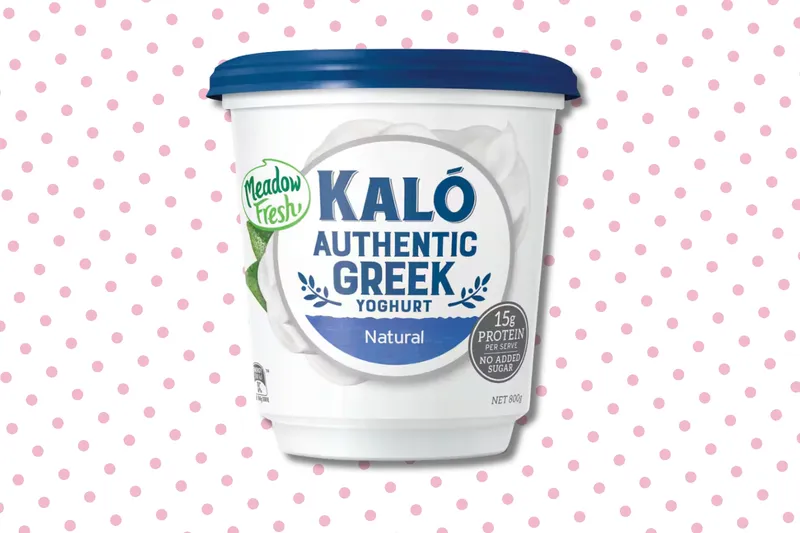
4) Meadow Fresh Kalo Yoghurt Tub Greek
6.08/10
$9.25 for 800g from Woolworths ($1.16 per 100g)
Made in New Zealand
This is the yoghurt that’s so thick they reckon you can eat it with a fork (although you can do that with Cyclops and Zany Zeus too). Kaló is Greek for good and this culture comes from Crete, apparently. And good it is, creamy and smooth with a mild tang. Liam was impressed – “nice taste… versatile profile” – guessing correctly that it was his brand of choice. However, it was a bit much for some of our Spinoffers. Lyric doubted she could eat a bowl of it, Hayden found it “confronting” and Robbie declared it downright “yucky”.
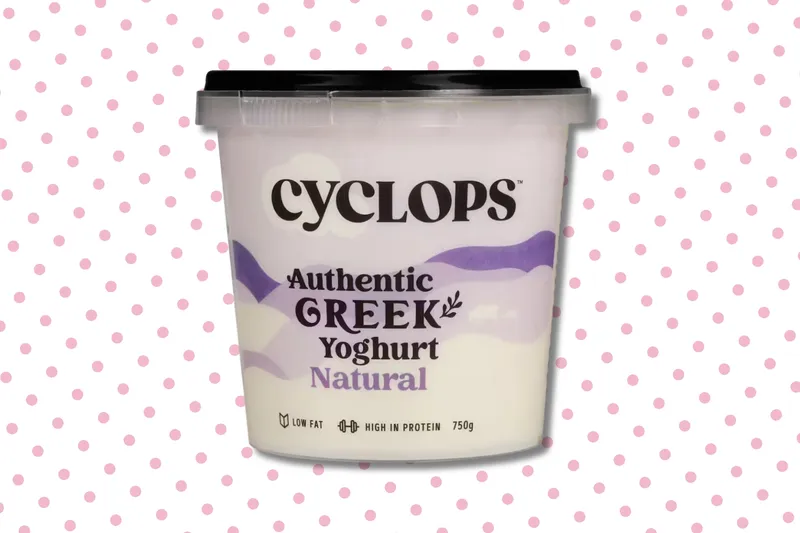
3) Cyclops Greek Yoghurt Natural
6.54/10
$6.95 for 750g from Woolworths ($0.93 per 100g)
Made in Canterbury, New Zealand
This tastes how Greek yoghurt should: thick, smooth and tangy. Cyclops is my go-to brand at home, so Lyric and editor Veronica Schmdit clearly have great taste, because they gave it a 9 and a 10, respectively. Liam liked this “perfect” yoghurt too. But not everyone was effusive with praise. Some found it a little sweet, including Hayden, who complained about a “dessicated tongue” afterwards.
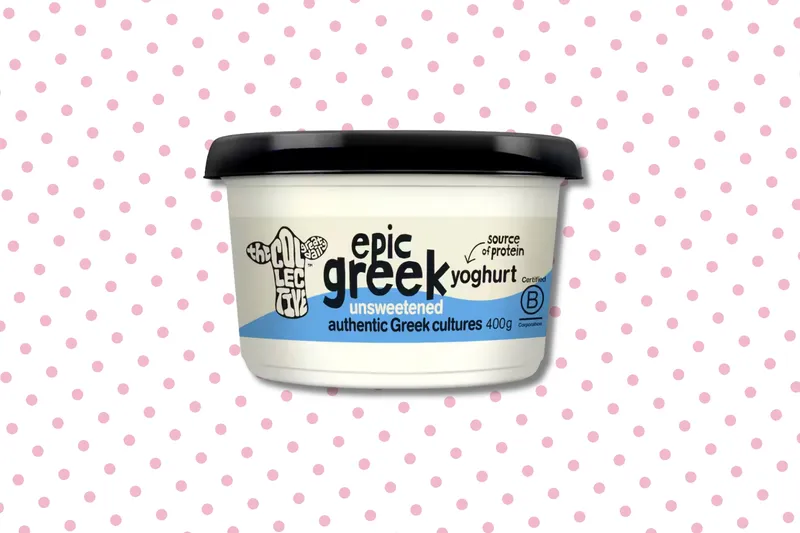
2) The Collective Greek Probiotic Yoghurt Tub Unsweetened
6.60/10
$5.80 for 400g from Woolworths ($1.45 per 100g)
Made in New Zealand
A “real smooth operator”, according to Alice. This is a standard, reliable yoghurt that works equally well at breakfast and dinner. But mass appeal doesn’t mean boring; Lyric and Liam both picked up on “fruity” notes. The people who like it really like it. “So thick and creamy and smooth,” noted Veronica. (It contains stabilisers and cream.)
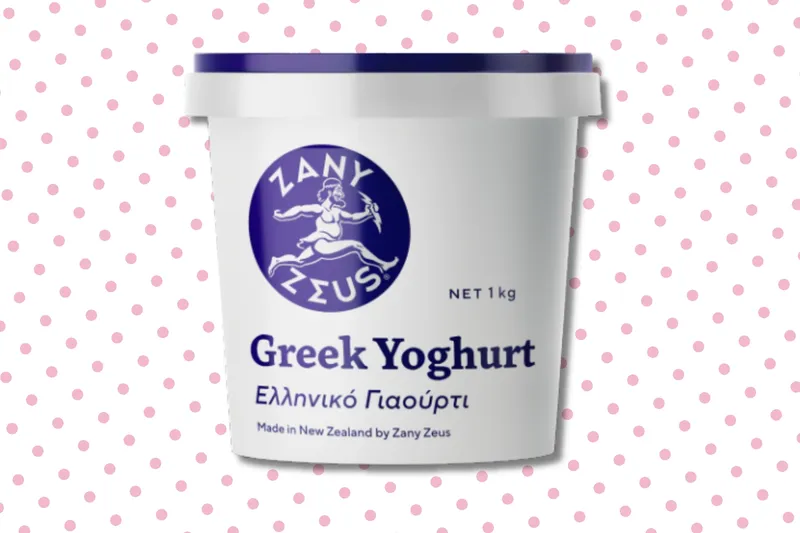
1) Zany Zeus Greek Yoghurt
6.92/10
$11.49 for 1kg from New World ($1.15 per 100g)
Made in New Zealand
This is the yoghurt people like to rave about. Zany Zeus was founded by a Greek family in 2000 and became a cult favourite. Rescued from receivership in 2020 by private investors, it’s now stocked at selected New World and Pak’nSave supermarket. The Wellington business boasts “artisanal methods” and the “thickest, richest, creamiest yoghurt ever” which is… correct, actually. This perfect Greek yoghurt came out victorious in our blind taste test, although it was touch and go for a while there. Some testers marked it down for being too thick and too rich (it does have the highest fat content and most calories per 100g of all the yoghurts tested). But everyone else was won over by the taste and texture. “So thick your spoon damn near stands up in it,” proclaimed Alice, thoroughly impressed by the beguiling yoghurt. “Great flavour, perfect tang level. Elegant and delightful.”

Emma Gleason
Emma Gleason is a staff writer at The Spinoff and an award-winning fashion journalist. But it’s not just clothes that interest her, you’ll find her exploring tasty cheese, influenza outbreaks and more important things right here. She has experience with some of the country’s leading media outlets as well as the toaster in our kitchen.


