Why doesn’t New Zealand have a standard size for a pint of beer?

Pint is more a colloquial than a measurement in NZ’s bars.
In Aotearoa, a pint is a vibe more than a measurement.
It’s Friday, and you’re back on your bullshit: the after-work pub crawl/pilgrimage. Hit the first bar, ask for a pint, and receive the glass version of a can in hand – a measly 330ml. Next stop: 425ml. Then: 480ml. Later: a 500ml handle. No matter where you go to enjoy a cold one in New Zealand, it seems like every pub has its own definition of what makes a pint.
It hasn’t always been this confusing. Imperial measures were the go-to in the country’s early days, but things began to change when New Zealand fully transitioned to the metric system in 1976. The Weights and Measurements Act 1987 required all trade measures to be metric, meaning the 600ml “pints” of milk that used to be sold had to switch to litres. But pints of beer remained OK to sell, as the law considers it a description rather than a volume of measurement, according to business.govt.nz. Somewhere along the way, “pint” became more of a suggestion than a measurement – most bars will take it to mean “biggest size available”.
Elsewhere in the Commonwealth, pint purity is intact: the UK and Canada both have standardised pint sizes (20 fluid ounces, which equates to 568ml), while Australian punters also enjoy standardised volumes. But that depends on which state you’re in: the 425ml “schooner” (285ml in South Australia) is the go-to for many, but ordering “a pint” gets you a 570ml glass (425ml in South Australia – you need to order an “imperial pint” to get the full size).
Order a “pint” in New Zealand, and you’ll probably get a 425ml glass. These are known as a “Boston”, according to Taylor, the general manager of Wellington bar Rogue and Vagabond. “It is the glass you will find more often in most pubs when you ask for a pint,” Taylor tells The Spinoff. “A pint is technically just a unit of measure whose name has caught on. I wouldn’t ever expect a punter to call it a Boston. Frankly, that would surprise me.”
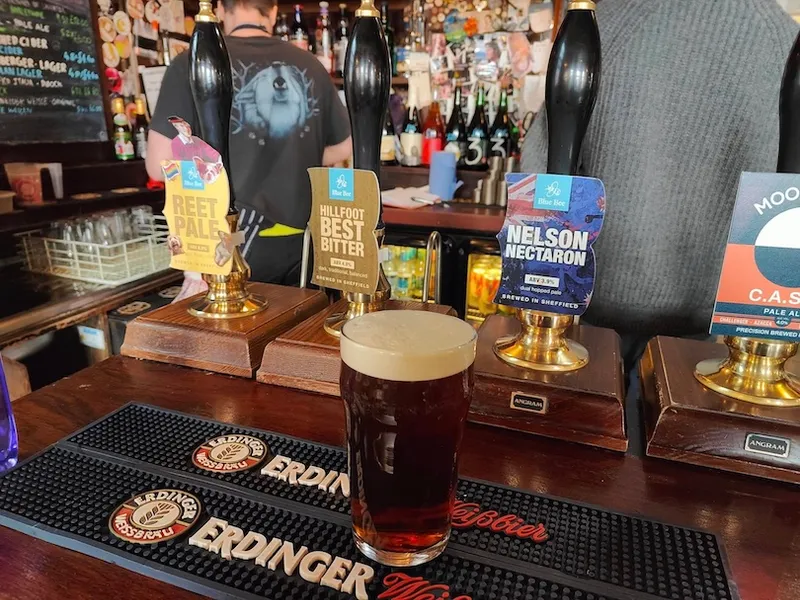
Another reason to keep Boston glasses in stock (“as a dive bar at least”) is for versatility behind the bar. “Since New Zealand liquor laws state that spirits cannot be poured into vessels larger than 500ml, we couldn’t use a proper pint for any mixed drinks,” Taylor says.
You can still find proper pints in “plenty of pubs across the country”, says Taylor. “They’re just less common and more expensive. Bizarrely, they’re way more common in the South Island.” A number of bars in Wellington also sell proper 568ml pints, like The Welsh Dragon Bar and Sprig & Fern Tavern.
Canadian bartender Evan Coonfer, who has been pouring drinks in Wellington for the last year at Pint of Order and Huxley’s, tells The Spinoff he worries New Zealand’s “weird” pub culture has led to a nation of drinkers who think they “don’t deserve a standard pint glass”. Coonfer says New Zealanders are some of the few bar-goers who order “half pints” (“it’s very cute”), and despite the odd grouchy patron, most accept that ordering a pint will get you whatever the bar has to offer.
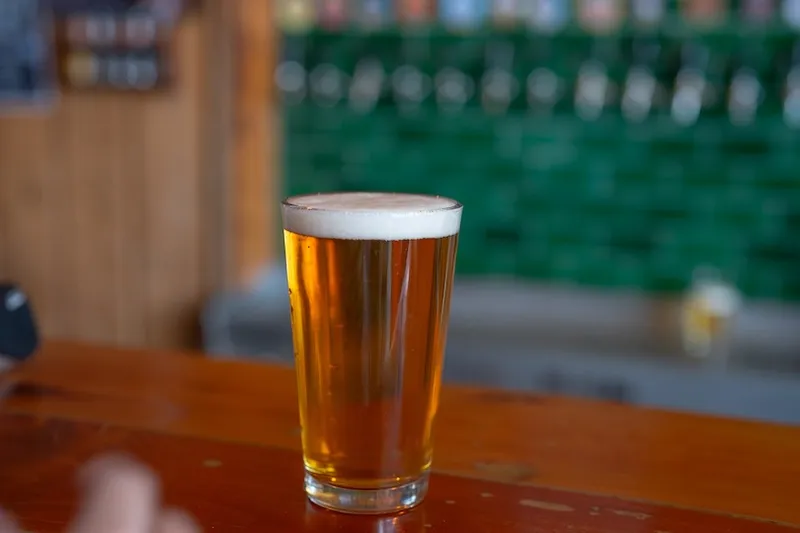
Coonfer says big-name brewers – your Tigers and Steinlagers – can supply bars (with a good sales representative) with their own branded glass, which typically measure up to 500ml. But he agrees that the most commonly sized pint glass at pubs is 425ml.
Should New Zealand try to lessen the confusion by introducing a standardised drink size? National MP Greg Fleming certainly thinks so, as does Christchurch burger purveyor Piripi Baker, but the government’s recent spate of reforms to the Sale and Supply of Alcohol Act 2012 somehow missed the opportunity to right this wrong for beer lovers across the nation. Associate justice minister Nicole McKee, who has led the reforms, told The Spinoff that punters shouldn’t expect government intervention any time soon.
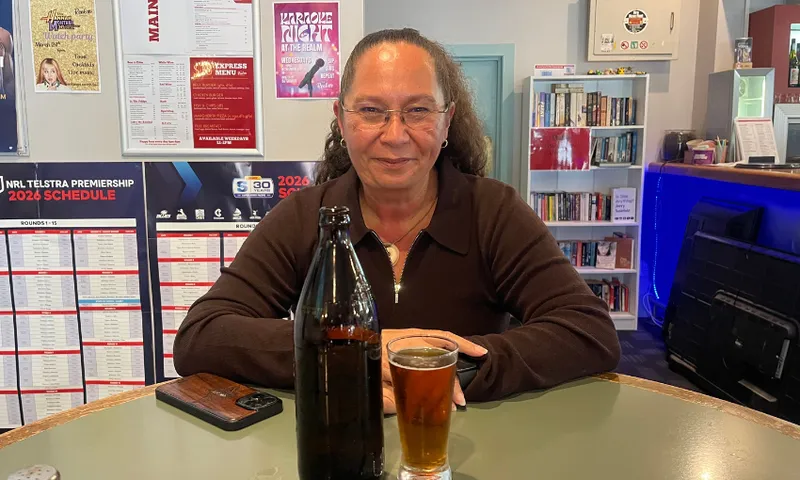
“A pint should be a pint, but not every irritation in life warrants parliament’s attention,” McKee said. “I trust punters to vote with their feet and reject undersized pints.”
Taylor reckons a standardised pint size might end up backfiring on the industry itself. It would cost “a fair amount of money” for bars to replace their glassware, and would mean the price of the drink increases with the volume. Enforcing a standard drink size “would be fine, but it wouldn’t be a game changer”, Taylor says. “It would be better for the consumer to know that they are receiving the same volume every time, I suppose. However, the drink price would increase, which might be a less favourable outcome.”
A standardised size might help bars meet consumer expectations, Coonfer agrees, but the current state of play – albeit confusing to an outsider – already “mostly works”. Although, “it’s strange that you guys haven’t accepted the imperial pint [as a standard measure],” he says. “It is a beautiful thing to get over half a litre of piss.”

Lyric Waiwiri-Smith
Lyric is an award-nominated politics reporter at The Spinoff. She covers parliament from the press gallery, pens the weekly column One MP, One Pint and is endlessly curious about what makes our decision-makers tick. Off the clock, Lyric loves a live gig, a cold brew, and being a Wellingtonian (on a good day).


