A guide to island hopping in Wellington

Are Wellington’s islands underrated? (Images: Supplied with additional design by The Spinoff)
In partnership with

From shipwrecks to snorkel trails, nature walks and tales of old – there’s plenty to discover on Wellington’s surrounding islands.
Island hopping may not immediately come to mind on a visit to Wellington, but the capital offers several coastal islands with fascinating histories and diverse nature. Here are some that make for a great day trip.
Kapiti Island
Kapiti Island is a 1,965 hectare island located about 5km off the Kāpiti Coast. Ngāti Toa have been the mana whenua of the motu since 1823, and as of December 31, 2024, it is officially back under iwi ownership.
Ngāti Toa fled their ancestral homeland of Kawhia after suffering heavy losses in the battle of Hingakaka. Led by rangatira Te Rauparaha, the iwi migrated south and established itself on Kapiti island in 1823. The following year, a massive coalition of tribal groups from around Wellington attempted to drive Ngāti Toa out in the battle of Waiorua – still, to this day, the largest naval battle ever fought in New Zealand waters. Some sources suggest as many as 800 waka were involved. Despite being vastly outnumbered, Ngāti Toa defended their position and established themselves as the dominant power in the region.
From the late 1820s, the island became a busy whaling station. There are still rusted remnants of whaling equipment dotted around the island. Large pots used for boiling down blubber can be found near the shore.
Nature
Kapiti Island became New Zealand’s first official nature reserve in 1897, though by that point it was overrun by wild goats, dogs, possums and other pests. After a century of consistent effort, the island was declared predator-free in 1996, one of the greatest conservation achievements in the world.
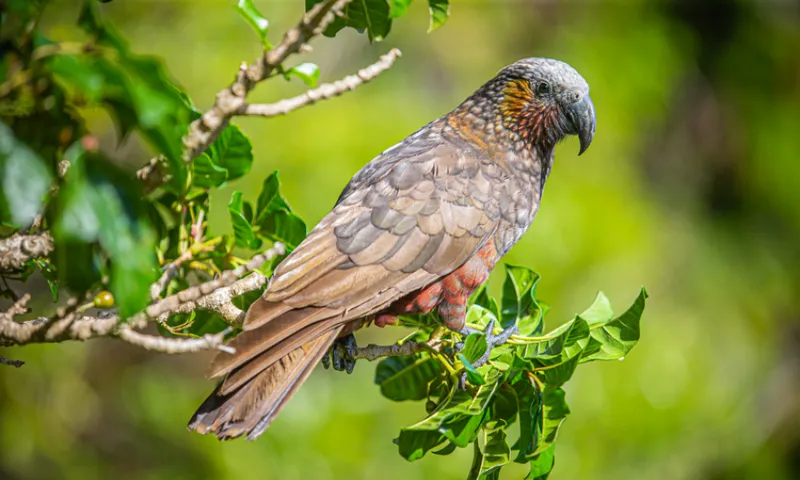
The island is now one of New Zealand’s most significant bird sanctuaries. It’s home to the largest population of little spotted kiwi – about 1,200 in total. You may also spot takahe, kākā, kākāriki, weka, kererū, kōkako, ruru, hihi, tūī and kororā.
How to visit
Kapiti Island Nature Tours offer day trips to the island with ferries departing from Paraparaumu Beach, a 40-minute drive from Wellington city, or 55 minutes by train (take the Number 262 bus to get from the train station to the beach). The two most popular options are a 5.5-hour visit to Rangatira Bay ($159 for adults) or a 4.5-hour visit to Waiorua Bay ($129). There are also premium options for guided tours or an overnight experience in a cabin or glamping tent.
What to do there
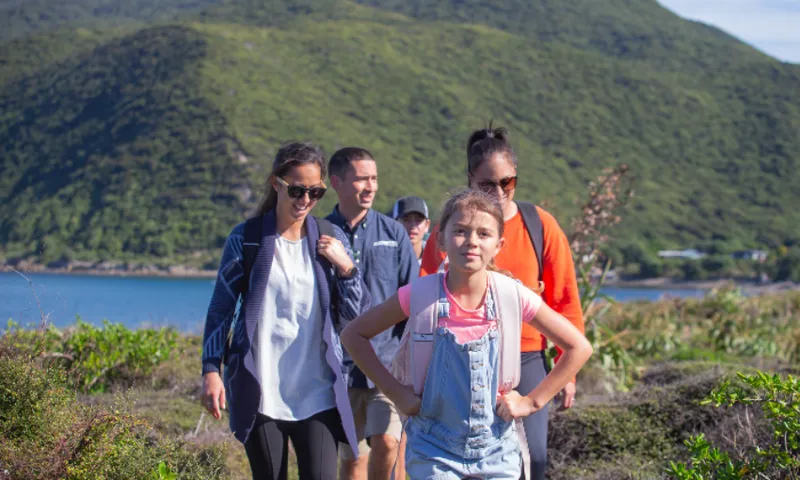
From Rangatira Bay, take the Wilkinson Track to Tūteremoana summit lookout, which offers an impressive view of the South Island. Visitors wanting more of a challenge can take the steeper Trig Track, which ends at the same lookout point. From Waiorua Bay, walk the Okupe Valley loop track, which overlooks the picturesque Okupe Lagoon. This walk has a gentle gradient and may be more suitable for families or people with reduced mobility. Pack some kai as there isn’t any available to purchase on the island.
Mātiu/Somes Island
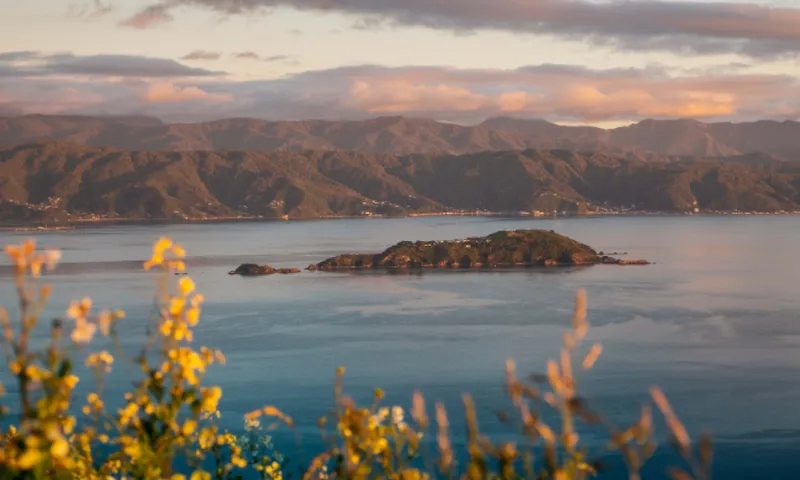
Located in the centre of Wellington harbour, Mātiu/Somes is a 25 hectare island with a fascinating and multi-faceted history. Named after Kupe’s daughter (or possibly niece), Mātiu/Somes is Wellington’s cradle of civilisation: it was the first place in the harbour where humans settled. They were the early ancestors of Ngāi Tara, led by the chief Tara, hence the harbour’s name, Te Whanganui a Tara.
In 1835, Ngāti Mutunga chiefs held a meeting on Mātiu/Somes where they transferred their rights to land around the harbour to Te Āti Awa and other Taranaki chiefs. This agreement was officially recognised in 2009 when the Crown transferred ownership to Taranaki Whānui ki Te Upoko o Te Ika. It’s now managed in partnership with DOC.
Mātiu/Somes was used as a quarantine site for immigrants up until the 1920s. At least 42 people are known to have died on the island from smallpox, scarlet fever, influenza and other diseases. It was used for animal quarantine until 1995, and many of the facilities are still standing.
During World War I and WWII, the island became an internment camp for hundreds of German, Italian and Japanese citizens who were considered a security risk. There were three attempted escapes by men who swam or rowed to shore, but none were ultimately successful.
In 1942, the government built four heavy anti-aircraft gun emplacements on the island. The Swiss Ambassador complained that this breached the Geneva Convention, which forbids prisoners from being held in areas that were likely to be targets or scenes of fighting.
Nature
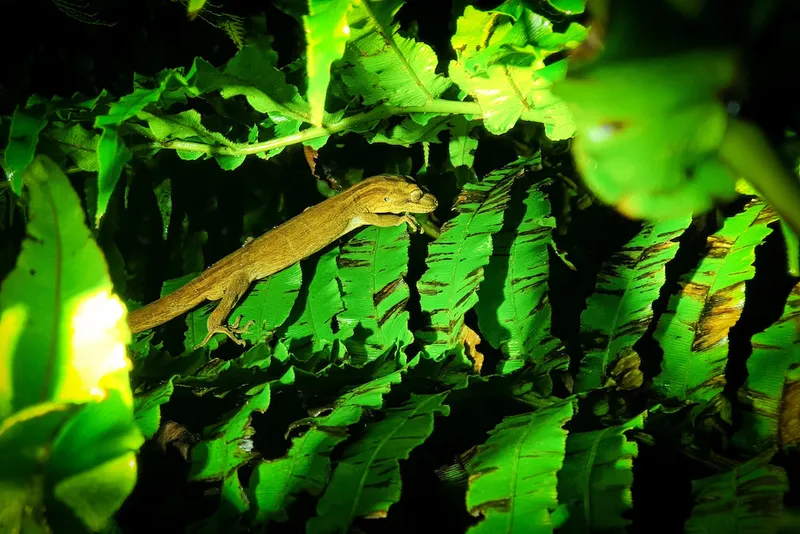
Mātiu/Somes has been predator-free since the 1980s, though visitors are still required to thoroughly check their bags. It’s an important habitat for kororā, which base themselves on the island during breeding season. It’s home to thriving populations of kākāriki, toutouwai, kōtare, and pīwakawaka, sea birds such as tōrea-pango and karoro, and lizards such as skinks, geckos and tuatara.
How to visit
East by West ferries run a regular service to Mātiu/Somes as part of its commuter route between Wellington City and Days Bay. Adult tickets are $40 return. Overnight visitors can hire a DOC hut from $231, which sleeps up to 12 people. Bring your own food and water as there is none provided on the island.
What to do there
From the wharf, start at Whare Kiore to inspect your bags. Then, start with a 10-minute walk to the Visitor Centre, which has a small historical display about the history of the island. Then, explore the maximum security animal quarantine station, and the concrete WWII gun emplacements.
The 45-minute circuit walk takes you around the perimeter of the island. There are three lookout points which offer unique views of the city. Stop at the historic lighthouse and the monument for those who died in quarantine. Keep an eye out for birds and lizards, and check inside the marked “Wētā Hotels” to spot the giant insects.
Mana Island
Mana Island is a 217 hectare island about 2.5km off the coast of Porirua. Early Europeans dubbed it Table Island due to its distinctive flat top. The name Mana is an abbreviation of Te Mana o Kupe ki Aotearoa, which translates to “the ability of Kupe to cross the ocean to Aotearoa”. Oral histories say the navigator landed at the island and climbed to its highest point. There is evidence of human occupation on the island dating back to the 14th century.
Ngāti Toa established itself on Mana Island after its conquest of Kapiti. Te Rangihaetea and Te Rauparaha both had houses on the island. European occupation began in the 1830s with a whaling station and a sheep and cattle farm under Ngāti Toa control. It was taken as Crown land in 1865 and leased as a sheep farm for more than a century. In 1987, it became a scientific research centre run by DOC. Like Kapiti Island, it was returned to Ngāti Toa ownership on December 31, 2024.
Nature
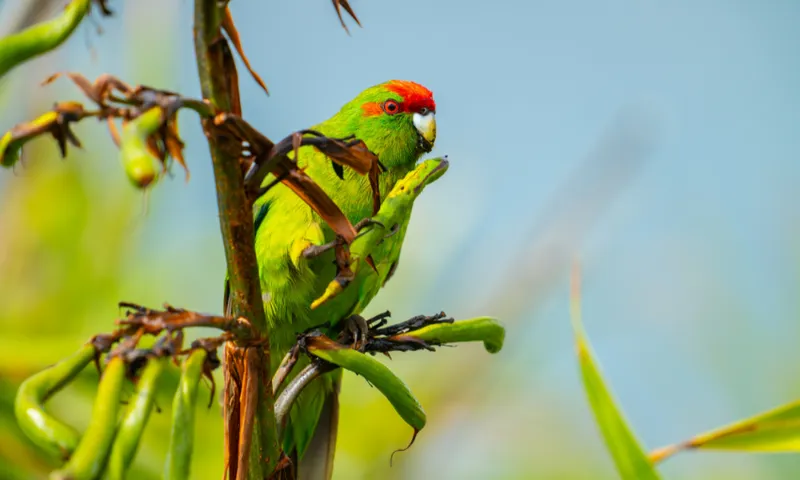
Mana Island is an important breeding site for takahē and has a population of about 20 of the endangered birds. You may also spot koroā, pāteke, kuaka, kākāriki, little spotted kiwi, and varieties of native skinks and geckos. A concrete gannet colony and a sound system playing the calls of seabirds have been installed to attract them to breed there.
How to visit
Go Mana offers ferry trips to the island departing from Paremata, a 20-minute drive or 25-minute train journey from Wellington. Adult tickets cost $80. Overnight stays are not allowed. Visitors are free to explore the island on their own except from October to December, when all trips are fully guided due to the takahē breeding season.
What to do there
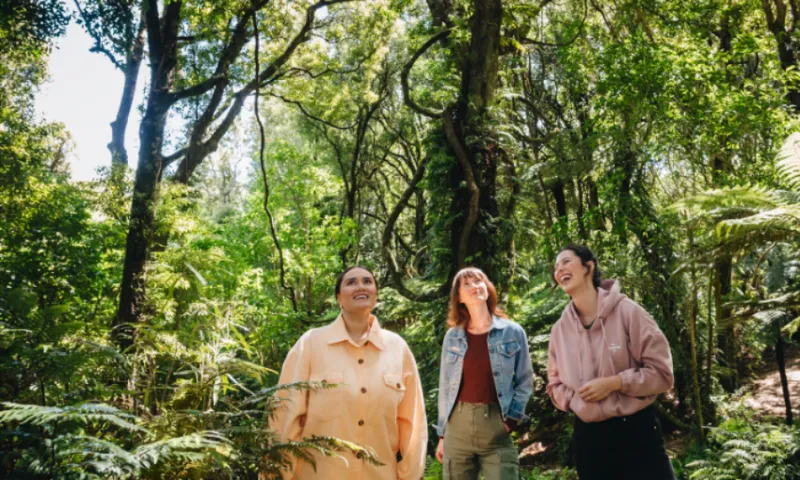
Starting at the historic woolshed, follow the Torihanga track to do a complete loop of the island. It takes about 1.5 hours at a leisurely pace. Stop to see the remains of the old lighthouse and the concrete gannet colony. Friends of Mana Island have developed a self-guided tour highlighting important sites. Brochures are available from the woolshed, where all visits to the island begin.
Taputeranga
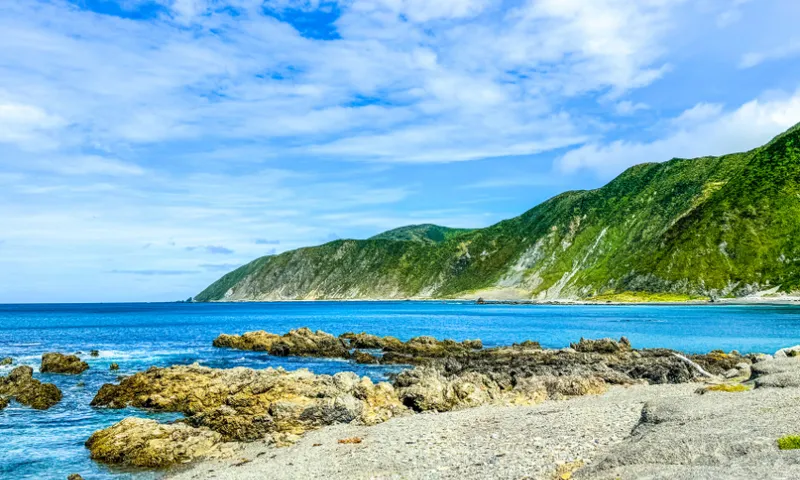
The island that gives the suburb of Island Bay its name, Taputeranga is located about 600 metres from Island Bay beach or 200 metres at its narrowest point. It’s a small island, just three hectares, with one central hill covered in bush and vast rock pools stretching out around the edges. Ownership of the island was transferred from Wellington City Council to Ngāti Toa Rangatira as part of a treaty settlement in 2013 and it is now managed in partnership.
The most impressive part of Taputeranga isn’t the island itself, but the ocean that surrounds it: the 855 hectare Taputeranga Marine Reserve. Taputeranga was used as a lookout and place of refuge by Ngāti Ira, an iwi which once lived around Wellington’s south coast. Archaeological evidence suggests the top of the central hill was levelled off manually, and there are signs of a stone wall surrounding it.
In 1827, an alliance of Ngāti Toa and Ngāti Mutunga attacked Ngāti Ira and ultimately drove them out of Wellington. Tāmairangi, wife of leading Ngati Ira chief Whanake, took refuge on the island, along with other women and children. It’s said that when she was captured by Te Rangihatea, she sang a waiata which was so beautiful that he spared her life and allowed her to live out her days on Mana Island.
Nature
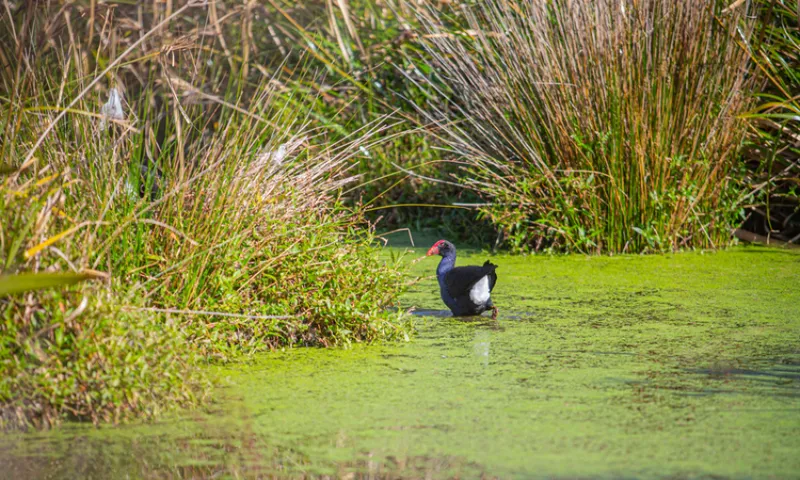
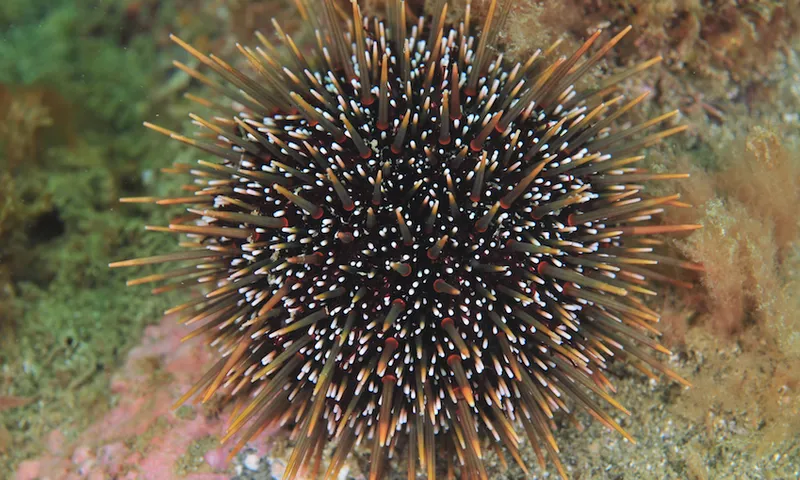
Taputeranga Marine Reserve was established in 2008 and has been an unmitigated success, far surpassing the original conservation expectations. There is a complete ban on taking fish within the reserve’s boundaries, which has led to a biodiversity boom, particularly for kōrua, kina, pāua, mararī and pākirikiri.
How to visit
Island Bay is 6km from the city centre and accessible via the Number 1 bus. You can hire snorkel and diving equipment at several local shops, including Dive Wellington, Island Bay Divers, and Ocean Hunter. Island Bay Divers offer a three-hour Snorkel Tour package, which includes an orientation and safety briefing with a hot cuppa afterwards. Tours cost $130 plus $50 for equipment hire.
What to do there
The beginner-friendly Island Bay Snorkel Trail is marked by buoys in the shallow, sheltered part of the bay and offers a fantastic glimpse of underwater life. For more adventure, the Marine Reserve Explorers’ Trail highlights nine recommended diving spots, including two shipwrecks.
This piece was made in Partnership with WellingtonNZ. Discover more here.

Joel MacManus
Joel MacManus is a senior writer for The Spinoff. He previously worked at RNZ and Stuff, and began his career at Critic Te Ārohi. His writing explores the political, economic and cultural systems that underpin modern New Zealand. He won the 2025 Voyager Media Award for Best Columnist, Opinion or Critique.


