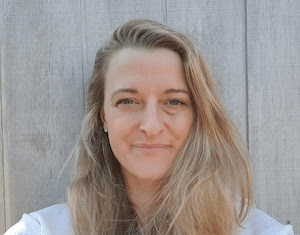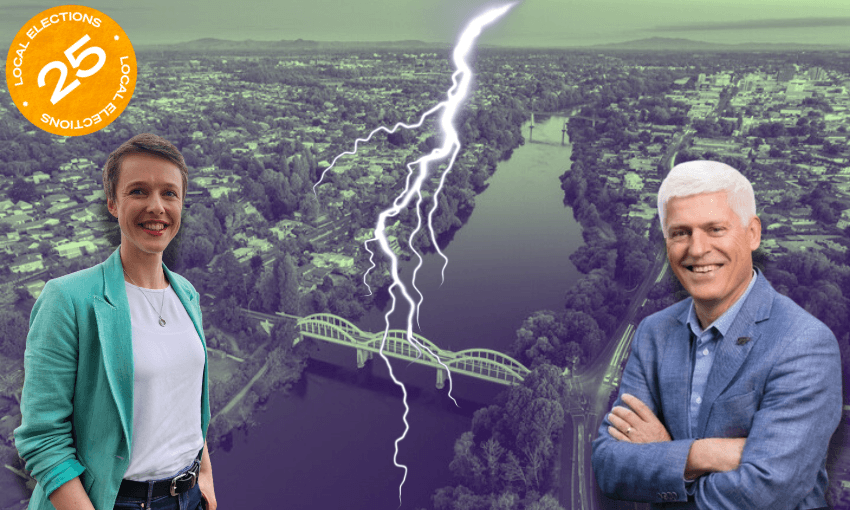


One candidate once took the government to court over its climate change targets. Now her main rival for mayor is banging the cost-cutting drum, and it’s demanding more compromise than her past self would have liked.
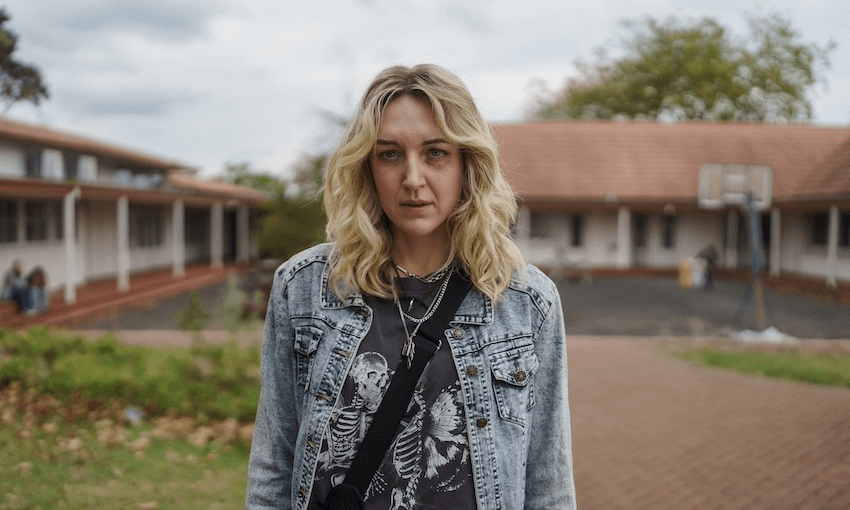
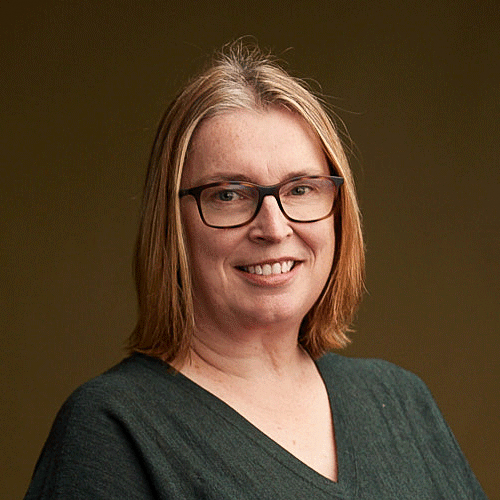
Sarah Thomson looks a little pained when she reflects on her first taste of political prominence. It was 2015, and she was a law student taking the government to court over its emissions target, which fell well short of the Paris goal of keeping global warming to less than 1.5 to two degrees and was, she said, “unreasonable and irrational”. Her efforts were fuelled by impatience at the gap between political incrementalism and the reality of what was needed to address a world-altering crisis. “The climate clock is ticking, and there’s no time to let politics get in the way,” she wrote for The Spinoff after her case was dismissed in 2017.
Thomson is now a two-term Hamilton councillor and one of the frontrunners to take over as mayor – incumbent Paula Southgate is not seeking re-election after two terms in the top job. For six years, she has been subject to some of the limitations she found so annoying back when she was an advocate looking at government from the outside. She wonders what her 2017 self would think of her efforts, and suspects she might be slightly nonplussed. “I think I would be very underwhelmed,” she says. “Me back then wouldn’t have been aware of all the really difficult things we’ve got to balance up, whereas now that’s the job that we’ve got to do.”
Thomson, 34, is running for mayor on a mostly progressive platform. She opposes cuts to libraries, parks and pools. She wants housing growth and more rapid bus services. But she’s also tailored her positions to suit the current political environment. Hamilton’s rates went up 16.5% in 2024/25 and 15.5% in 2025/26 – both more than double the current national average of 7.4% – and the election campaign has been dominated by complaints over ballooning bills. The first entry on the “what I stand for” section of Thomson’s website reads “working smarter to keep rates affordable”. Other sections cover her commitments to finding long-term savings and balancing Hamilton council’s books in the 2026/27 financial year. On transport, Thomson says she wants to prioritise off-road, rather than on-road, cycleways.
Some concessions are difficult to avoid. The cost of living reality is setting in, and for many people, the climate crisis may be taking a backseat to the immediate challenge of buying a block of butter without declaring bankruptcy. “The cost of the rates is really hard, and actually I do think it’s important that we do respond to that,” says Thomson. “It is a really shitty time.”
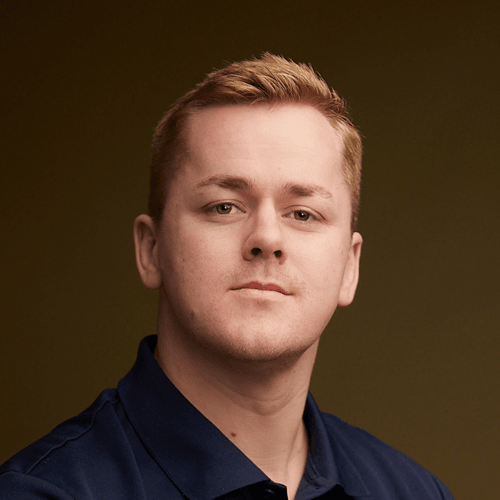
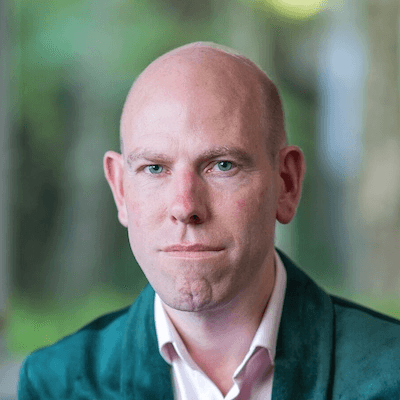
The focus on fiscal discipline may also be an effort to blunt the attacks of her main rival. Tim Macindoe, a former National MP for Hamilton West turned councillor, has put cost reductions at the heart of his campaign. He’s banging a familiar conservative drum, promising to manage rates increases by running a stripped back, “leaner” council and putting a lid on council costs.
Macindoe has a good chance of being mayor. But he almost didn’t stand. He’s 64, and considered stepping down from council after a frustrating few months trying to push his agenda through the council’s more left-leaning majority. Then his daughter came home from London, and asked incredulously why she’d heard talk about him retiring. “I said, well, I’m giving it consideration,” he says. “And she said, ‘dad, you’ve got to stand. Look at your career, this is a logical next step from what you’ve been doing’.”
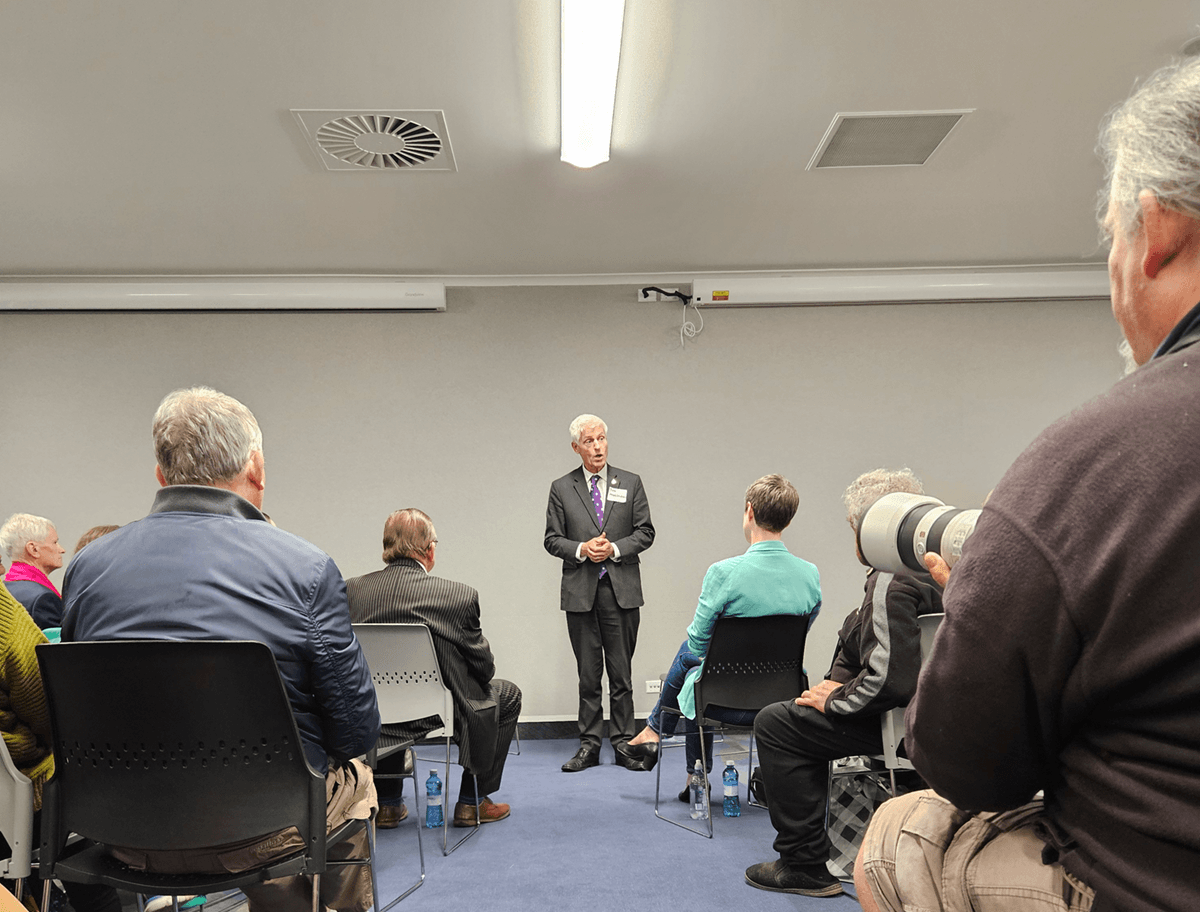
He eventually agreed, partly because he’s hopeful there’ll soon be a conservative majority on council willing to attack what he thinks is an unacceptable amount of wasteful spending. Macindoe talks about money thrown away on raised pedestrian crossings, cycleways and in-lane bus stops, but combined, they only cost $10.31 million of the council’s $911 million capital budget between 2021 and 2024. In our interview at the aptly named brewery and tap room Brewaucracy, he acknowledges some of that stuff is small fry, but says he’ll find more significant savings from changes to council procurement. “We have a crazy system,” he says. “Contractors, I think they see Hamilton city coming and say, ‘oh, that’s nice. We’ll just add a zero or two to the quotation we give them’, and by and large, it gets accepted, and we have some wild anomalies in what we’re spending.”
Asked for examples of those anomalies, he talks about a 1.3km road near his house which was recently scheduled for what he thought was unnecessary resealing work. He complained to council officers, who obviously didn’t agree. The work went ahead anyway.
Thomson prefers to talk about finding savings by bringing council services, like waste collection, in-house. Both have a challenge on their hands. The council’s capital budget is around $255 million in 2025/26, and three-quarters is going toward transport and three waters infrastructure. Even Macindoe, for all his talk about waste, admits that council funding across the country is broken. Their bills and responsibilities have grown too large, and their income is too small. His cost-saving efforts are less about actually rescuing the council’s finances than showing the government it’s made every effort to fix things itself before pleading for help. “We need to get our own house in order first and show we have done everything we can,” he says. “But I think we’re still going to find that we’re up the creek without a paddle.”
Thomson also acknowledges significant structural pressures on the council books. For all that agreement, perhaps the most significant difference between the two comes down to philosophy. During the election campaign, the Waikato Times has been asking mayoral candidates to talk about their most treasured possession. Macindoe picked his writing desk. He says every time he sits down at it, it conjures up memories of his late father, who passed it on to him after his death 20 years ago. “As time passes, memories fade. I mean, I still have some great memories of him, but I think of him every time I sit at that desk,” he says. The desk is a precious heirloom. It’s also something older and sturdy, made a long time ago, and built to last.
Thomson picked her garden. Right now, in the middle of a busy election campaign, it’s full of weeds. But she can see what it could be one day, and she loves the process of getting it to that point. “You’re creating something,” she says. “And it’s kind of addictive, because I can envision what I want eventually, with this beautiful oasis in my backyard with native trees and shady spots to sit. And there’s still this really big gap between what I see right now and what I want.”
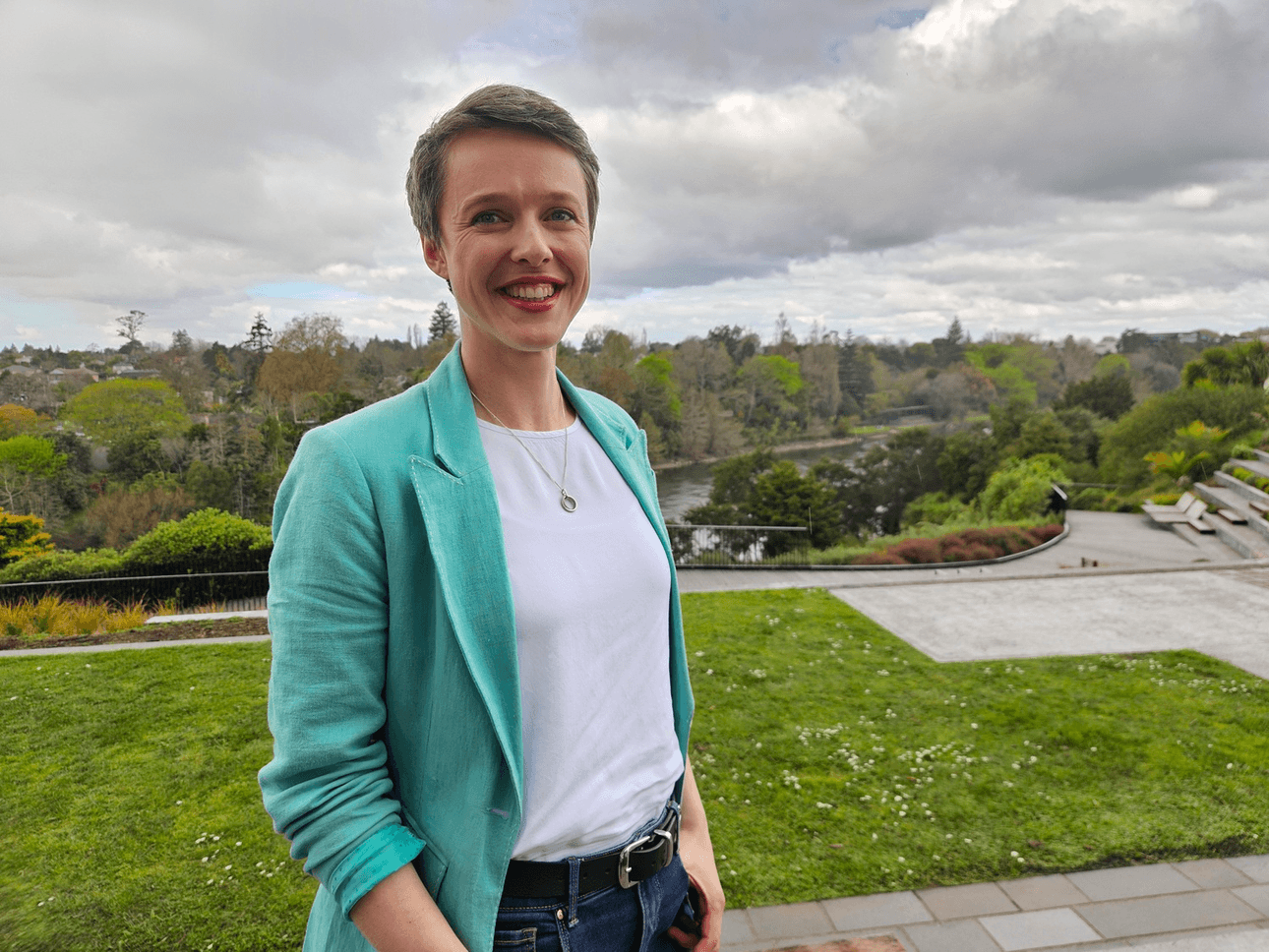
The metaphor is almost too obvious. Thomson knows Hamilton isn’t what she wants it to be right now. But she gets frustrated at people who leave council after a term or two because they feel like they can’t get anything done. She likes to list achievements in her mind, no matter how small they may seem. There are now safe crossings outside every school in Hamilton. Bus shelters have solar lighting. She’s picked Pickles Bar and Eatery for our interview, partly for the beef fat potatoes, and partly because one of her long-term dreams is to better orient the city centre around the Waikato River, and it’s one of the few places with a deck facing the water.
Thomson thinks of those weeds in her backyard. “We live in the weeds as councillors a lot of the time,” she says. Getting rid of that overgrowth is proving to be harder and longer-term work than 2015 Thomson would have liked. But maybe her past self could be convinced to give her some grace. After all, the vision of the future oasis is still there, and green shoots are starting to show.