Pay equity's back in the spotlight for the election – here's what you need to know

Chris Hipkins and Marama Davidson are both campaigning on pay equity promises. (Photos: Supplied. Composite Image: The Spinoff)
Labour and the Greens have both pledged to rewind the government’s controversial changes to the pay equity framework. How did we get here?
What's this all about again?
Pay equity is about people getting paid the same for doing different work of equal value. In 2020, amendments to the Equal Pay Act, which were supported by all parties in parliament, set out a framework for how workers in predominantly female professions could raise and settle pay equity claims with employers rather than going through the courts. But last year, the coalition government pushed through sweeping changes to the legislation, passing the Equal Pay Amendment Act under urgency and without scrutiny. Critics said it unravelled years of progress.
Billed as a reset, it introduced strict new criteria that minister for workplace relations and safety Brooke van Velden said “made the law simpler and more robust”. These included raising the “predominantly female” threshold from 60% to 70% and introducing a “hierarchy of comparators”. The rejig was expected to claw back $12.8 billion over four years, according to finance minister Nicola Willis. Dozens of active claims were cancelled.
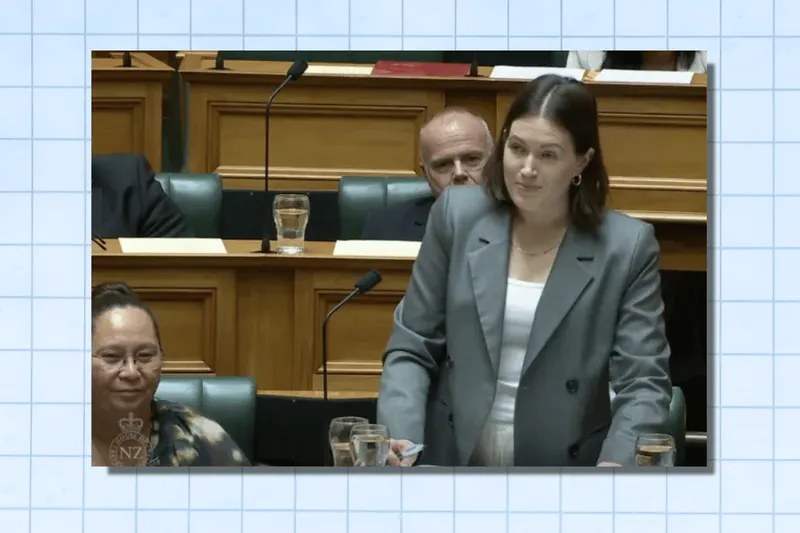
The changes were hard and fast. A report from a “people’s select committee” led by former National MP Marilyn Waring (released in February) found the passage of the law breached Regulatory Standards Act principles, the New Zealand Bill of Rights, the Human Rights Act, te Tiriti o Waitangi and the UN Women’s Convention.
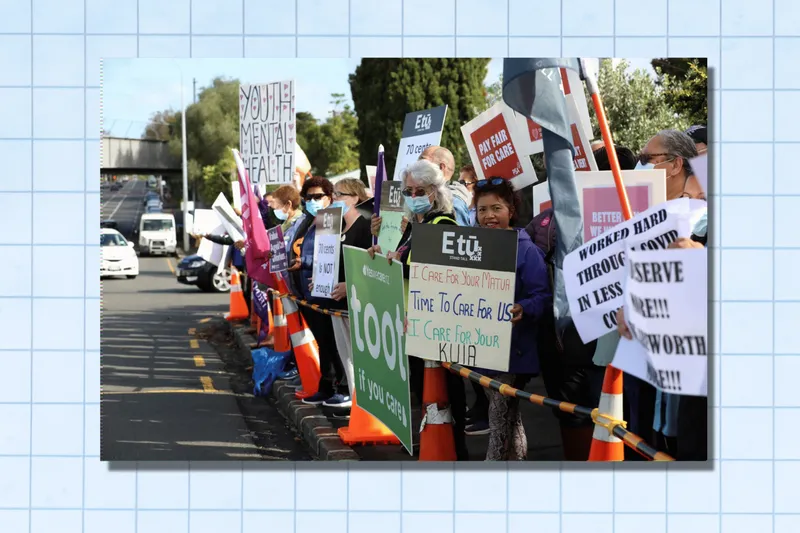
Most controversially, because the legislation was applied retrospectively, 33 existing claims from groups like Plunket nurses, early childhood teachers, hospice workers and school administrators were thrown out, affecting 180,000 workers. Detractors called the legislation an “attack on women”. People took to the streets in protest and The Post’s Andrea Vance took to lobbing c-bombs at politicians.
So, what’s new?
Well, nothing yet. But Labour is promising to “restore pay equity” if elected, dismantling the coalition government’s changes . Announced alongside the party’s fiscal plan, the policy includes an “immediate” pay rise of $4 an hour for 65,000 care and support workers, totalling $2.5bn over four years, while their pay equity claim is processed.
The Greens also backed a rewind of the Equal Pay Amendment Act and committed to resolving care and support workers’ claim. The party has budgeted $1.1bn a year for the settlement.
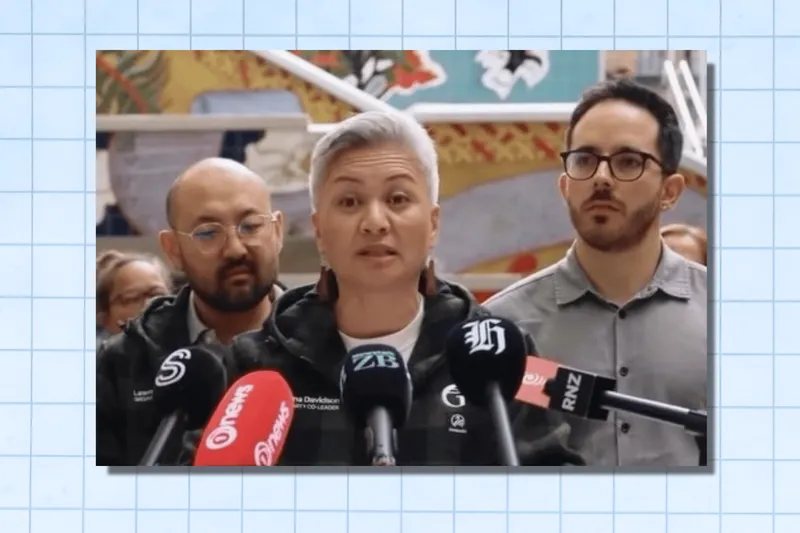
Beyond specific commitments, the wider cost of restoring the pay equity framework remains unclear, with neither party yet confirming a figure. (Treasury put the bill at $11bn over four years.) Defending Labour’s policy on Ryan Bridge Today, Chris Hipkins argued the party’s “numbers add up” and it was “going to make sure women get the right to be paid fairly”.
How did this whole pay equity framework thing work, and what’s the background?
Different jobs requiring similar levels of skill or work were treated as “comparators” to judge an equitable level of remuneration. A 2022 claim by librarians and library assistants compared their work to that of customs officers, teacher aides and other vocations – including, yes, fisheries officers.
The 2020 pay equity legislation that set up the framework came after years of fighting led by aged care worker Kristine Bartlett, culminating in 2017 when 55,000 low-paid care workers were awarded a $2bn settlement after the Supreme Court ruled that low pay and poor working conditions were caused by “persistent” gender discrimination.
And equity is different to equality?
Correct. Pay equality refers to remuneration for the same job – for example, accountants of different genders should be paid the same if they’re doing the same work. That standard has been enshrined in law since 1972, when the Equal Pay Act made it illegal for employers to pay people differently “on the basis of sex”.
However, professions traditionally dominated by women often pay less across the board. Nursing, for example, is a predominantly female field (87% of registered nurses are women) and the industry has spent years pushing for higher pay through pay equity claims and union action.
As Manatū Wāhine Ministry for Women acknowledges, “wages have often been kept lower than occupations where the work has been performed predominantly by men”. This contributes to the gender pay gap, which describes the difference in median incomes between women and men.
Ah yes, the gender gap.
It was 5.3% last quarter, up from 5.2% in 2025 but down on 8.2% in 2024. This disparity is wider for Māori and disabled women, who are paid 12% and 14.8% less than men.
The highest gap of all is 15.8%, affecting Pacific women. Representatives for Pacific workers, a group disproportionately represented in low-paid service work, say the Equal Pay Amendment Act will suppress wages and worsen poverty.
Women’s incomes are rising, with median hourly earnings (wages and salaries) increasing 3.4% year-on-year, compared to 3.6% for men, but neither kept up with inflation, which was 4.1%.
Any new pay equity claims – including the 33 thrown out – will have to meet the current criteria. Unless something changes.

Emma Gleason
Emma Gleason is a staff writer at The Spinoff and an award-winning fashion journalist. But it’s not just clothes that interest her, you’ll find her exploring tasty cheese, influenza outbreaks and more important things right here. She has experience with some of the country’s leading media outlets as well as the toaster in our kitchen.
Sign up to Two Ticks, delivered straight to your inbox.


