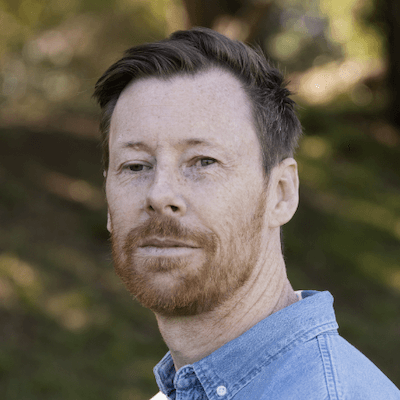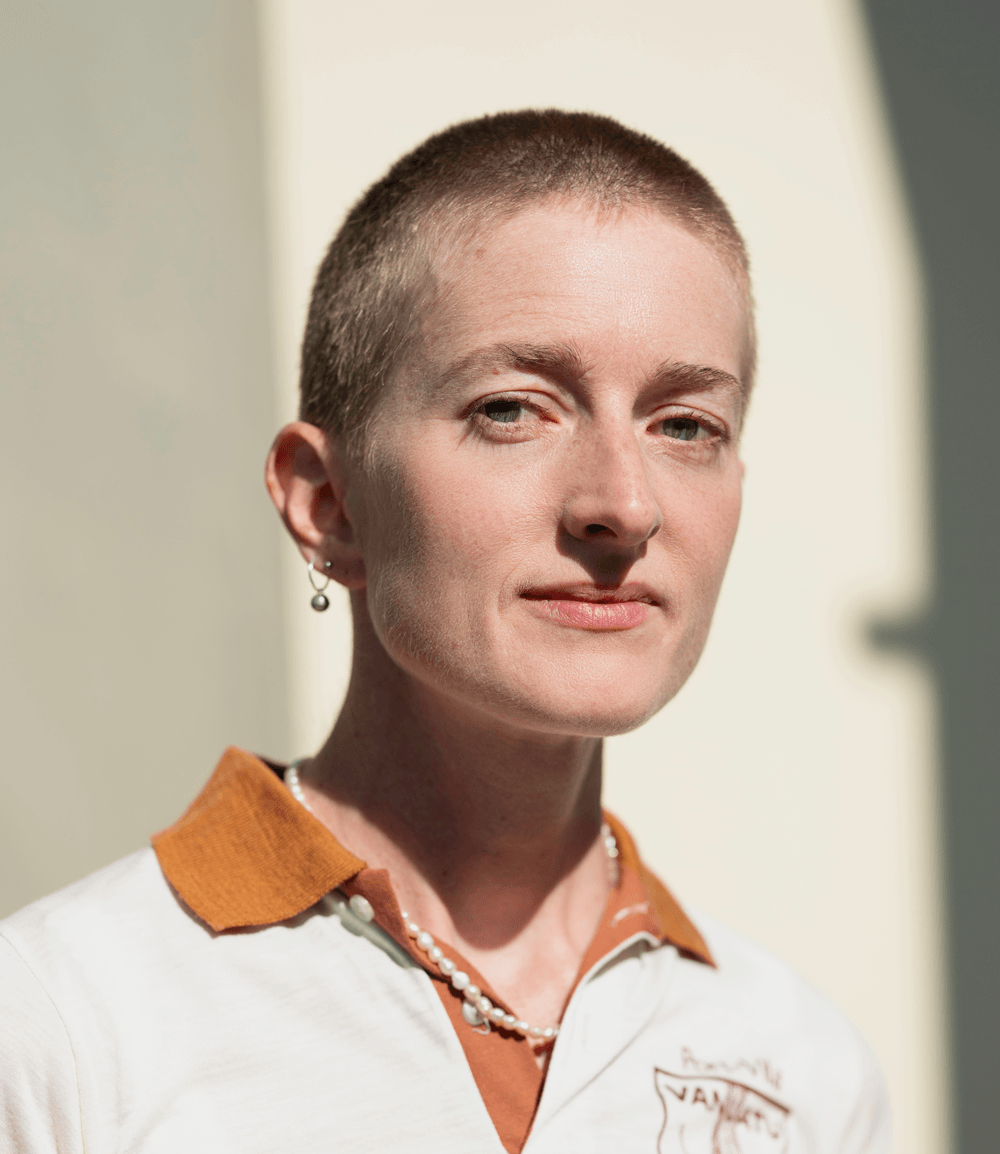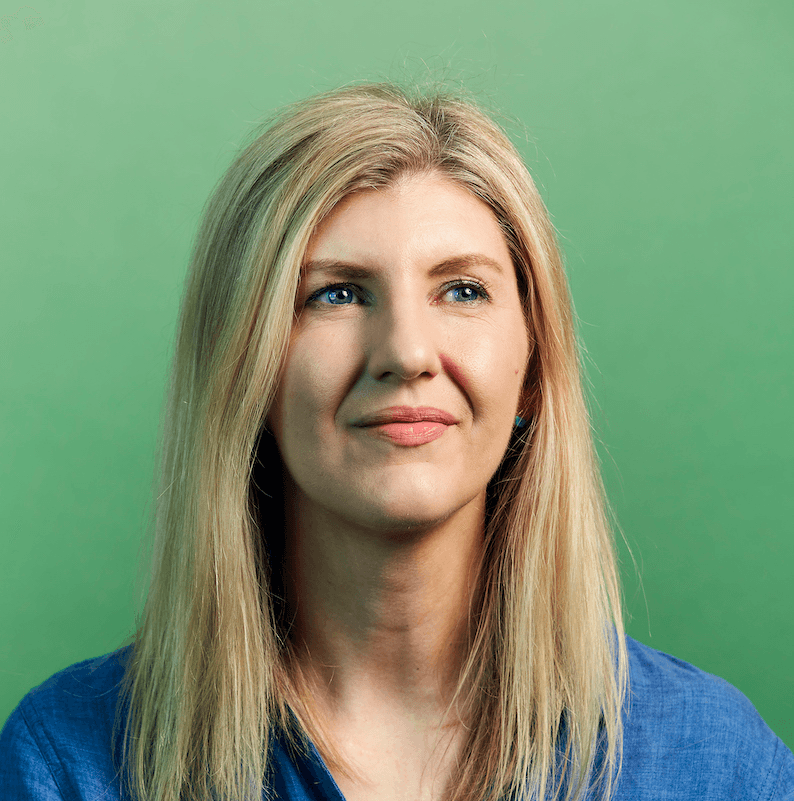
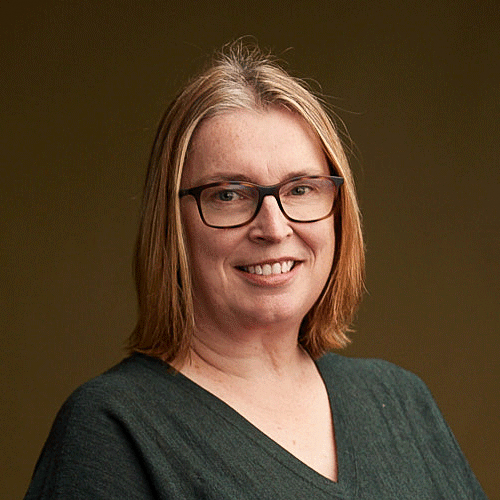


Just the second female mayor in the city’s history, Sophie Barker wants to make Dunedin the best little city in the land.
As a child growing up in Larnach Castle, Sophie Barker loved being a ghost. Whenever busloads of visitors came to tour the historic home high on the hill above Otago Peninsula, the young Barker would hide under a bed in one of the castle’s 25 rooms and wait for the guests to wander in. Then, as the unwitting tourists lingered nearby, possibly contemplating all the stories about Larnach Castle being haunted, Barker would thrust her cold hands out from beneath the bedcovers to grab the nearest pair of ankles, sending the visitors screaming from the room.
It wasn’t the only ghostly mischief Barker indulged in while living in the country’s only true Victorian gothic castle. “I’m afraid that we may or may not have thrown scones off the tower,” she laughs, adding that she would also hide under one of the castle’s staircases to rattle chains and make spooky noises. “We did lots of naughty stuff. All these visitors were sent to entertain us.”
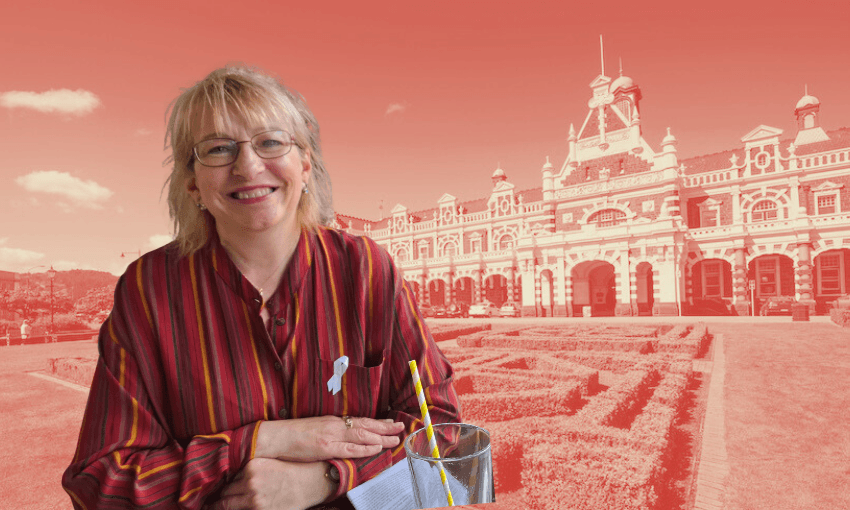
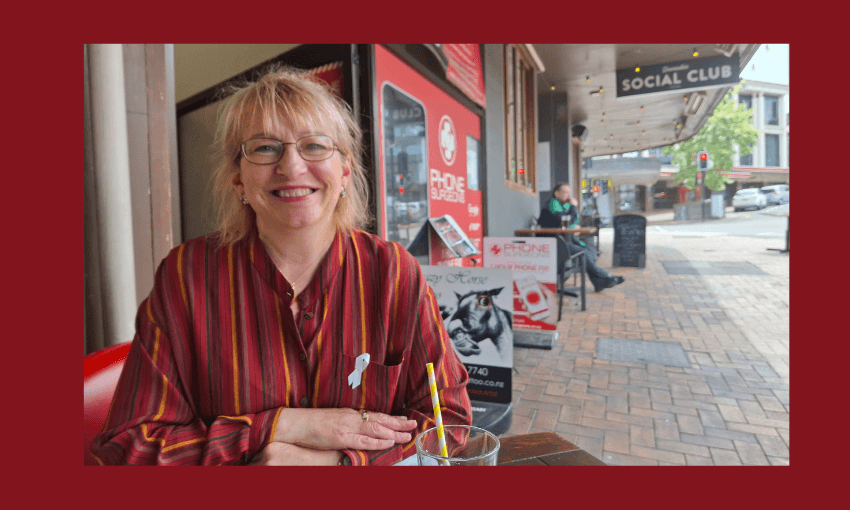
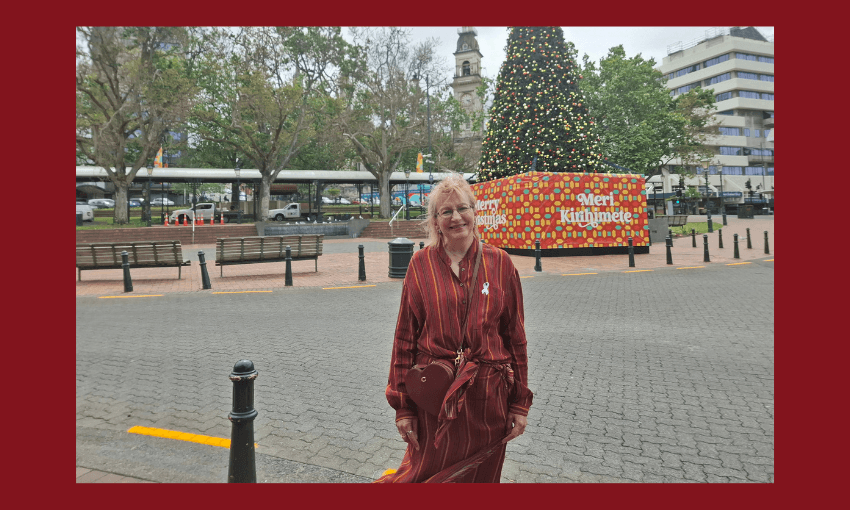
These days, 58-year-old Barker is rattling chains of a different kind in her new role as mayor of Ōtepoti Dunedin. She’s talking to The Spinoff on a warm Dunedin afternoon over a drink – Barker initially opts for tea, before settling on lemonade – outside The Craic Irish bar in the Octagon, where cruise ship tourists wander past the city’s enormous Christmas tree and up to the famed statue of Robbie Burns. The fresh air and sunshine is a welcome respite for Barker, who has spent the day entombed in the city’s civil defence bunker, learning about what will happen when the big one – the South Island alpine fault – eventually ruptures.
Perhaps it’s because disaster readiness is on her mind, but Barker describes her first eight weeks as mayor as “a tsunami” of meetings, information and training. The two-term councillor and former deputy mayor defeated incumbent mayor Jules Radich and car salesman Andrew Simms by only 898 votes, making her Dunedin’s first female mayor in 30 years (and only the second in the city’s history, after Sukhi Turner in 1995). It’s a steady rise to political power for someone who describes themselves as “not political”. What’s the attraction of local body politics for Barker, then?
“For me, it’s not about the politics, it’s about sorting the city out,” she says.
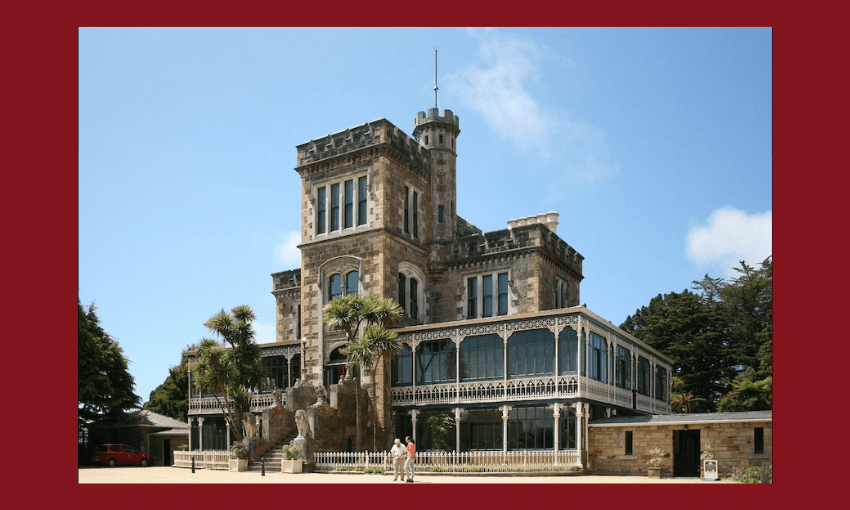
Barker’s desire to sort things out began early. Her mother Margaret was 24 and eight months pregnant when she and husband Barry visited Larnach Castle in 1967 and decided that the opportunity to purchase a castle was too good to miss. Barker was born six weeks later. The castle was a near ruin, with leaking roofs and rotten floorboards and a local farmer using the ballroom to pen sheep. The work to restore the 1871 building over the next five decades was unrelenting, and Barker worked hard from a young age, cleaning, serving and helping with the constant stream of visitors.
“My first memories are of running around the veranda and putting buckets under the leaks, and you’d lie there at night hearing the noises of rats and possums coming in,” Barker recalls. Life was hardest during the long, dark southern winters, which bought on miserable conditions and chillblains. “People think living in a castle would be glamorous, but it was just cold.”
But between the flying scones and ghost chains, Barker believes those formative years taught her the importance of hard work and striving for excellence, and shaped her eventual move into local body politics. At 40, Barker left the castle and worked in the Dunedin City Council economic development unit for seven years, before moving to the Royal Albatross Centre and Blue Penguins Pukekura at Taiaroa Head. Here, she became frustrated at the unfulfilled potential for economic development and tourism in the city, which motivated her to stand for council in 2019. “We weren’t looking after our destination – our beaches, our sea lions – all that kind of stuff.”
Now “all that kind of stuff” is firmly under Barker’s remit as mayor. We finish our drinks and take a short stroll through the city down to Dunedin’s iconic railway station (reportedly the most photographed building in the country, and the second-most photographed building in the Southern Hemisphere). As Barker recommends the salads at The Corner Store and Jitzu’s great sushi, we pass by newly upgraded Bath Street, where rainbow crossings were recently scrapped due to budget constraints. It was a move Barker found frustrating. “We need young people to see themselves reflected in the city. We want to be a vibrant place. It’s great to be a heritage capital, but we also need to be a bit modern and open to new ideas.”
Dunedin’s biggest challenge, Barker believes, is that it’s not good at promoting itself. “We need to be better at telling our stories,” she says, noting how other New Zealand cities fight harder for recognition. She wants Dunedin to be the most liveable place in the country, one that attracts young people and families to live and stay here and encourages businesses to invest and prosper. The city won’t do that, however, by being coy about its many charms, like its heritage buildings and impressive natural environment. “We fought for our hospital and became extremely visible. But we need to fight for our future as well, because if we don’t go forwards, we’ll go backwards.”
The city is busy and alive as we cross state highway one to reach the railway station’s well manicured gardens, but Barker knows that the next three years will be challenging for her team. Nearly half of her 14 councillors are in their first term, and they’re facing a barrage of central government reforms that include rates capping, the removal of regional councils and RMA reform. These reforms are further headwinds for a council already responding to complex local issues like climate adaptation in South Dunedin, the remediation of Kettle Park and a 30-year infrastructure replacement backlog, while still continuing to deliver all the services that ratepayers expect.
“The government got in on localism, and then they turned their back on it and want to dictate, so it makes it really hard,” says Barker. How exactly do you maintain a vibrant and dynamic city with less money? Barker shakes her head. “You can’t do it. That’s the thing. If people want to keep living here, we still have to spend the money, because otherwise the population decreases and there are less ratepayers. You have to create a place that people want to visit and keep investing in the future, because otherwise you become broken down.”
Barker may have only been in the role for two months, but she’s already faced criticism from some of her councillors, who claimed she ”mislead” and “sidelined” them with her new portfolio-based governance system. Barker seems unfazed by the criticism, and acknowledges that managing relationships with councillors is always a challenge. It follows her resignation as deputy mayor in 2023, after a breakdown in the relationship with then-mayor Radich. Barker describes her relationship with Radich these days as “pretty good”, and believes that different perspectives around the council table should be expected. “We won’t always agree, and that’s democracy.”
What Barker is more perturbed about is the level of vitriol that she encountered during the mayoral campaign. Public life is tough, she says. “I knew it would be 24/7, but the online stuff – the growth in abuse and harassment – has made it a lot harder for people to stand. It’s pretty ugly.” She no longer reads the “hideous” things people have said about her – Barker was sworn at in public during the mayoral campaign and received late-night messages telling her she should die – but she worries about the impact this relentless online abuse has on local democracy, particularly on female candidates.
“People don’t stand, and then people don’t vote because they become disengaged, and that sets us up for a lot of rot in our democracy,” she says. “We need everyone in the community to have a voice.”
More people wanted to be mayor of Dunedin than anywhere else in the country, but with voter turnout in Ōtepoti at only 45%, Barker knows the council has some work to do to connect with disengaged voters. As we part ways with the afternoon sun still shining down on the city, she says she’s eternally optimistic about the capacity for local body politics to make positive change in the community. “We need to work together, and we need to work hard.” It’s an approach much like the one Barker’s family brought to Larnach Castle, all those years ago – though hopefully with a lot less scone-throwing.