Four new mayors on rolling a grenade down the road for future generations

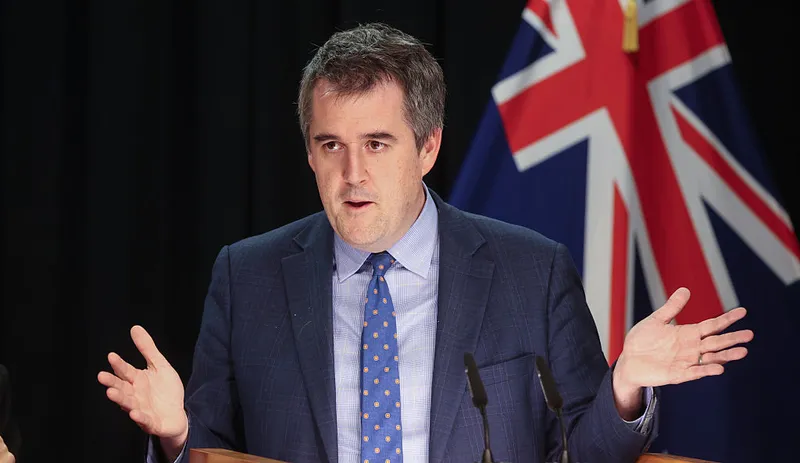
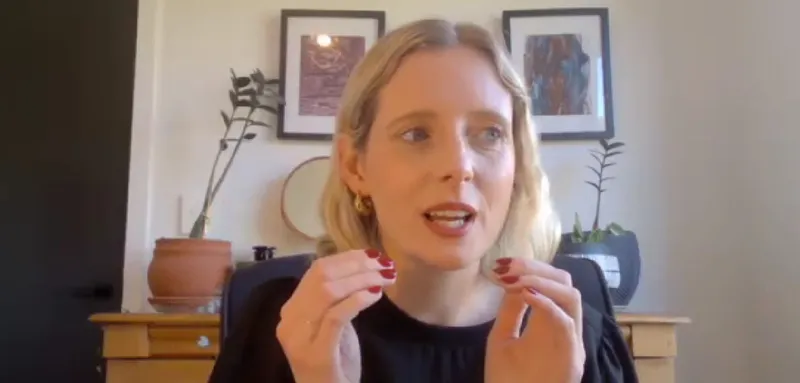
Clockwise from left: Peri Zee, Michael Ford, Fran Wilde and Sophie Barker have thoughts on the recent blizzard of local government reform.
These mayors just won office for the first time. They’re already worried they’re going to end up lumping their children and grandchildren with a huge bill for broken infrastructure.
A record-breaking crop of first-time mayors won office at October’s local body elections. Thirty-two of New Zealand’s 78 councils are now led by people who’ve never been in the top job before. That’s up from 30 in 2022 and 26 in 2019, both of which were record-breaking in their own right. The newcomers are stationed everywhere from Invercargill to Whangarei. Some are political novices, others veterans. But if there’s one thing they have in common it’s that they’ve likely spent the first three months of their terms blinking like baby birds and internally screaming “wtf”.
The tail end of 2025 delivered a blizzard of reform for local councils. The government progressed a smorgasbord of bills affecting the sector, revealing its legislation to cap rates at 4%, announcing plans to abolish regional councils and getting underway on replacing the Resource Management Act with two simplified bills. All of the changes will alter the job of mayor. Some will make it more difficult. Regional council reform in particular will see mayors tasked with taking over the responsibilities of the abolished entities and forming a plan for the future.
It’s a weird, stressful time to be starting a new job leading a local authority. The new mayors are getting to grips with what promises to be a vaguely inhumane workload. They’re probably strung out, sweating off a thousand Christmas mince tarts and quite grumpy at the government. In other words, it’s the perfect time to get some of them onto a Zoom and pepper them with questions.
The four mayors talking to The Spinoff are all in their current jobs for the first time. Peri Zee brought Wayne Guppy’s 24-year incumbency to a close in October, winning the Upper Hutt mayoralty in a campaign marred by social media weirdness. Dame Fran Wilde just added “mayor of South Wairarapa” to her long list of political titles. Michael Ford was elected unopposed in Manawatū. Sophie Barker defeated one-term mayor Jules Radich in Dunedin.
All four have strong opinions on the government’s reform agenda and whether it’s sticking to its promises to “restore local control”. But first, to what extent are they shitting bricks right now?
On whether they’re shitting bricks
Peri Zee
Quite the opposite. I feel like it’s an exciting time to fight for the existence of local government and actually talk about some of the deeper issues of local government. It’s fundamentally broken, the system of local government at the moment. But these aren’t solutions. These government reforms are just short sighted, and they’re not the solution.
Sophie Barker
I call it a reform storm. There’s just so much coming in so fast, and trying to get it all in your head and find a pathway forward is really difficult.
It’s exciting and exhausting, because we get elected on a certain platform. Part of mine was to help transform the city and then suddenly we just got a whole lot more on the plate.
Michael Ford
I agree with Sophie and Perry. I’m energised, but I do accept we did get a whole lot extra that we didn’t realise we were putting our hands up for. That does create a whole lot of challenges.
Fran Wilde
Well, I think we all knew there would be changes, but the pace and the scale is huge. And even though I’ve had a significant amount of local government experience previously, this is huge. Massive. I thought I was becoming the mayor of one of the smallest councils in the country, which does have its own inherent significant issues but this, on top of it, is extremely significant.
On whether Chris Bishop is right that local government is “tangled in duplication, disagreements and decisions that defy common sense”.
Michael Ford
I think one size does not fit all. Our community is about 95% behind us. No confusion whatsoever, and they’re very supportive. So I completely disagree with that in terms of our experience, but maybe it’s true for others.
Fran Wilde
It’s patchy. And unfortunately, everything is patchy. Central government is patchy too with how they manage things. We need to be much more nuanced than just a broad brush “everything about local government is bad. They don’t manage their money well, yada yada yada”. It is not true of all local governments. It has been true of some.
Peri Zee
The Infrastructure Commission did a report on council size, which is really helpful, and it compares the OECD countries and New Zealand is actually one of the most centralised local custom systems. So the argument that there’s a lot of duplication is fundamentally not supported by the evidence.
Sophie Barker
I mean, there is a need for reform. There are a lot of infrastructure issues. We’ve had to put a huge amount of money into our water and our roads, because previous councils were not investing in those things. So I can see why central government gets annoyed with local government, but it’s partly just that the three year election cycle is quite challenging. It’d be a lot better to have a four year cycle so we were able to actually get things done.
On whether Chris Luxon is right that Wellington’s fancy light-up toilets show why we need to cap rates…
Peri Zee
There are absolutely cases where councils have done silly things, and central government seems to be responding to those isolated stories. But the evidence base for that is so scant. There’s not that much evidence that rates capping is going to help us in terms of getting the outcomes that communities need.
Sophie Barker
We actually spend most of our money on super boring stuff that people don’t see. It’s the pipes under the ground, it’s the wastewater treatment stations, and then we’ve got things like we’ve got to build a new landfill. And you know, maybe we can stop building toilets. But we do need to make our city attractive to live in. We need to have our libraries open for service, our swimming pools open, and they’re not just a “nice to have” – they are part of our community infrastructure.
Michael Ford
I might just add that we invest really well in our basic infrastructure. I think pretty much all councils are doing so. But actually, a community is far more than just potholes, pipes and rubbish collection, and if you’re looking for growth and economic development, which are words that the government are keen on, your city centres actually have to be reasonably attractive. You’ve got to have a place where people want to live and want to set up business. That’s not nice to have. So, yeah, I do get sick of the rhetoric about nice to haves. It’s a load of nonsense.
Peri Zee
I would say overall, after working in local government for quite a long time all over the country, that local government overall is significantly more frugal and efficient than central government.
Fran Wilde
We do things like wastewater and landfills. These are fundamental services that people need, and nobody would be labeling them as a ‘nice to have’ if it was coming from central government.
On the rates cap grenade rolling down the road
Sophie Barker
It feels like a bit of a grenade for future generations. If we have a rates cap and we cannot invest in landfills or city centre improvements, there is going to be horrible things happening for future generations. There was something on our news this morning about the number of young New Zealanders leaving the country. And that’s what sort of strikes fear into my heart. If we’re not building our cities as wonderful places for them to live, they do have other opportunities.
Peri Zee
If we can’t get things on a sustainable track now, we’re just passing on costs to future generations and making things more expensive for future generations. That’s why I’m here: to prevent that, because it’s not fair. It’s not going to be fair for our children if they get to that point where the landfills are full because we’ve filled them up or underinvested in core maintenance.
Fran Wilde
The government needs to listen more to the evidence actually. We can all see what they want but the problem we’ve got now is that the current councils, many of whom now have new leadership, are paying for some of the inactions of previous mayors and previous councils.
I’ve watched Upper Hutt over the years and also where I live in South Wairarapa. We’ve been paying rates here for nearly 25 years, and they were enormously low.

Michael Ford
The other thing with the rates capping is they compare everything to CPI. Well, that’s what households buy – lounge sets, sweets and butter and flour – whereas we buy pipes and bitumen and things like that. And they’re quite different.
On underinvestment getting rewarded and prudence getting punished
Peri Zee
It’s so perverse. For councils like mine, we’ve got a lot of catching up to do. And I can’t see a clear path out right now. There’s infrastructure investment that we need to make, all of the maintenance that we need to do, and we can’t within the cap the government is proposing. It’s going to end up with a managed decline situation where we’re just stemming the bleeding.
Sophie Barker
We did have a clear path to sustainability. We put it in our long term plan, and we bit the bullet last year when we had a 17.5% rates rise, and had a bigger rates rise this year as well.
We did our 30 year infrastructure strategy, did all the right things, and now the clamps have come down, and that means the grenade is rolling down the road.
On hope for the future, despite all of the above
Sophie Barker
I think our pathway forward is partnership. We’ve got a lot of really wonderful people in our city who want to make things happen, and even if the government clamps down on us, it’s up to us to create our own future and work in partnership.
Fran Wilde
I’d add partnership with the government. I do truly think that if we can have a more partnership approach, we can actually solve some of these gnarly issues with much better outcomes,and probably more cost effectively too, which means one size doesn’t fit all as we’ve all said.
Peri Zee
For me, I would like to see local government band together and ask for bipartisanship in terms of central government’s approach to local government because this flip-flopping is difficult. We should expect a bipartisan agreement on things like amalgamation, on rates…
Fran Wilde
*Laughs disconsolately*
Peri Zee
But we have to because these things are too important to leave them to the incentives of political point scoring.
Fran Wilde
You’re absolutely right, Peri, and there’s a whole lot of other areas of our life that need that too. The health system would be a good example.
Michael Ford
I was representing LGNZ to local government minister Simon Watts and we pushed for bipartisanship on a number of issues, particularly the RMA. And he said, “I completely agree with you”. And he mentioned examples of Chris Bishop and Kieran McAnulty working quite well together. So there are, there are some examples. I just don’t think there’s enough.
Sophie Barker
Yeah, I think the word is kotahitanga, which is unity. I think that’s a big word for Aotearoa, New Zealand, and that’s the one that will hopefully take us forward.

Hayden Donnell
Hayden Donnell is a senior writer for The Spinoff. He previously worked at RNZ, TVNZ and the New Zealand Herald, alongside other media companies that have since closed down or been renamed. His primary passions are local politics and the Big Fresh animatronic fruit and veggies.


