


Electricity in New Zealand is expensive, and is set to be a major election issue. Here’s a quick guide to what’s happening in the sector, and who’s paying for it.
Not even two months into 2026, the headlines about electricity just keep coming. Here’s what’s going on and what it all means.
The costs
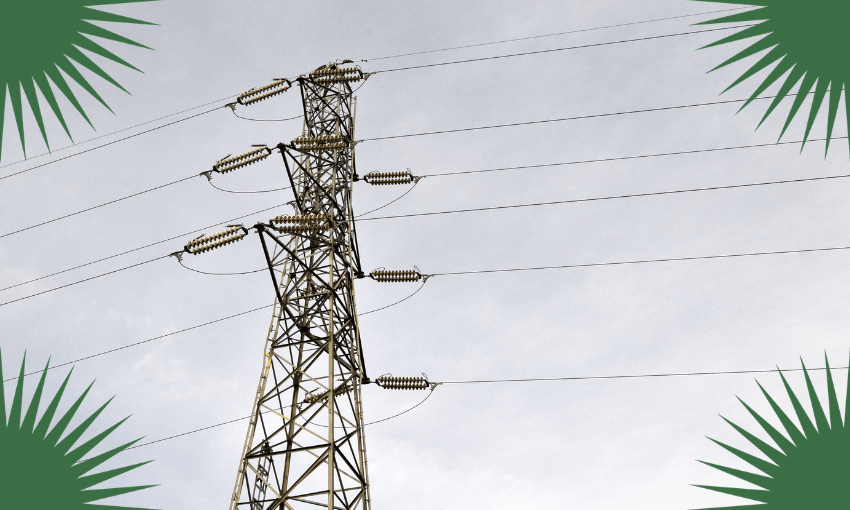
The cost of transmitting electricity, known as lines prices, are a fixed cost – about a third of the average power bill. In 2024, the revenue limits for national grid operator Transpower and local lines companies were increased to cover higher interest rates and invest in labour and infrastructure to keep the grid operating. This means higher lines prices for customers. These increases have been spread out over several years.
From the start of April, lines charges will increase again, and Consumer NZ has calculated that on average power bills will increase by $5 each month until 2029. As a result, electricity prices could rise at least 5% this year, after an increase of 12% in 2025.
New Zealand’s electricity primarily comes from renewable electricity: hydro, as well as wind and solar power. When these supplies aren’t available, generation comes from fossil fuels: natural gas and coal. New Zealand’s natural gas production is diminishing; the government announced earlier this month that it would build a terminal for importing natural gas, likely in Taranaki.
Gas is expensive to produce and transport: it has to be cooled to -160 degrees so it can be “liquified” for transport. Announcing the policy, Christopher Luxon said that building the terminal would create certainty for business. “We need to get rid of the dry [year] risk,” he told reporters. Having the option of gas-powered electricity generation, energy minister Simon Watts said in a press release, means there won’t be as many spikes in the power prices, and electricity contracts won’t have to include higher costs for the risks of a “dry” hydro year. “Just having a reliable back-up is expected to save Kiwis around $265 million per annum by reducing price spikes.”
Building the terminal will cost at least $1bn. The Liquefied Natural Gas (LNG) terminal will be paid for by a levy of between $2-4 per megawatt hour, around $15-$30 per household each year. The fee will be applied to all electricity users, which Labour Party leader Chris Hipkins has described as a “gas tax”.
As well as these new price increases, New Zealanders continue to pay for subsidised electricity for the Tiwai Point aluminium smelter near Invercargill. Prior to 2022, the Electricity Authority calculated that each household was paying about $200 a year to keep the smelter open. The smelter directly employs 750 people and uses about 13% of New Zealand’s electricity. It receives carbon credits of $37m a year, or about $2bn over the next 20 years. The smelter has a 20-year contract with Meridian, Contact and Mercury, where it must give two years’ notice if it closes the smelter; if or when it decided to leave, there would be a major impact on wholesale power in New Zealand.

The profits
It’s earnings season, and New Zealand’s gentailers – electricity generators who also sell power to retail customers – will be announcing their profits. First off the blocks is Contact, which has reported a profit of $205m in the half-year to December 2025. Part of that is because the company has acquired Manawa Energy (formerly Trustpower). It is now seeking $525m from investors to develop new generation capacity. “It’s about getting the balance right between looking after ordinary kiwi homes which is absolutely the right thing to do and also investing for New Zealand’s future in terms of the infrastructure we want to build,” said CEO Mike Fuge on RNZ last week.
The other gentailers – Meridian, Mercury and Genesis – will be announcing their results over the rest of this week. Experts have forecast that the four companies will have a combined operating profit of $1.86bn for the six months to December 2025, an increase of around 44-45% from the same period in 2024. Unlike Contact, which is fully privately owned, the other three are 51% owned by the government as well as listed on the NZX. The government will be getting returns from these profits.
Some economists have argued that the mixed-ownership structure of the electricity market incentivises the government to keep the current system and prices operating to get returns, making building expensive new generation a lower priority. Alternatively, a review of the electricity sector last year suggested that the government sell its ownership of the gentailers so the companies could have greater capacity to raise money for new generation. Responding to the report, finance minister Nicola Willis said the government is “committed to maintaining its legally mandated 51% stake in the MOM [mixed-ownership model] companies, and we accept we would need to participate in any equity raise required for major new investments.”
The good news
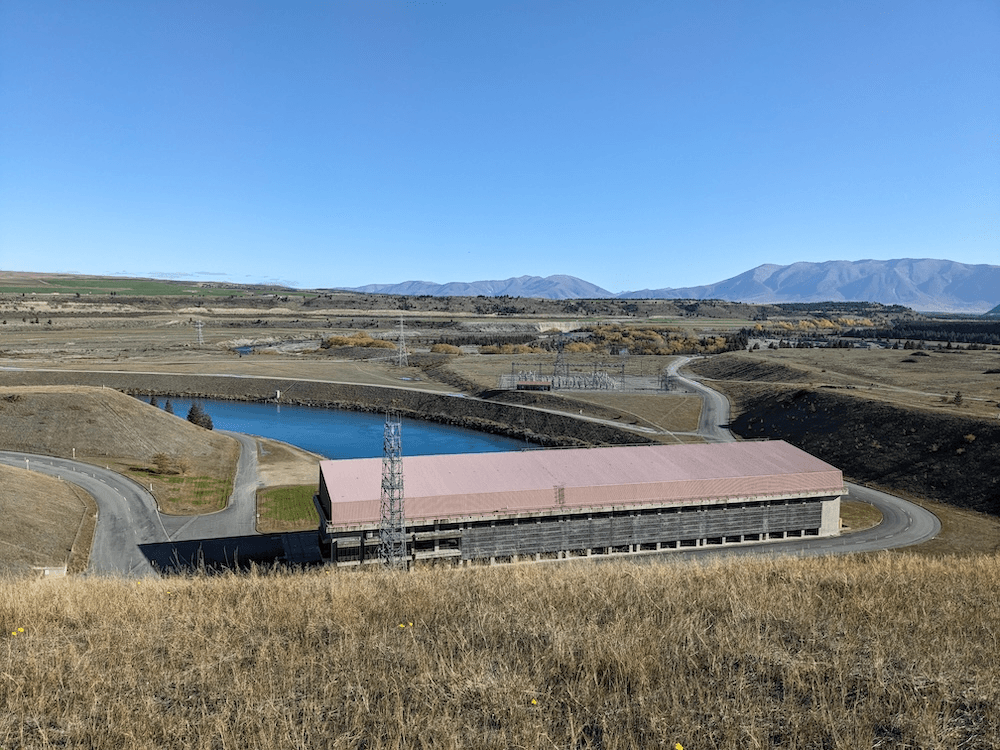
As summer comes to an end, New Zealand’s ability to generate power from renewable sources is especially high. Transpower, the market operator, reports on the trends in generation each week; more than 95% of New Zealand’s energy has been from hydro, wind and solar power for the past four months. The end of December and early January had record high renewable energy percentages of over 99%, the highest since records began in 2014.
The high capacity of renewables is partially because New Zealand’s big hydro lakes have been topped up with summer rain, and have been so full that the power companies are having to spill water without generating it. This means that wholesale power prices, which are more volatile than the average power plan, are cheap right now.
Many electricity advocacy groups have criticised the LNG decision, pointing out that solar energy is a more efficient and cheap alternative to grow New Zealand’s generation. “LNG offers tiny savings and adds costs, while solar delivers large household savings and helps bring down prices across the whole system,” said Mike Casey, the CEO of electrification advocacy group Rewiring Aotearoa. A study from the Energy Efficiency and Conservation Authority last year showed that affordable solar panels and higher power prices made household-level solar energy a good option in Christchurch, Auckland, Wellington and Queenstown.
The future
The LNG announcement from earlier this month has set the stage: electricity, and the energy sector more broadly, is set to be a major election issue this year. Casey has compared electricity to telecommunications, an area where services have become much cheaper in the last decade with technology advancing. “There are supply challenges for the grid and natural gas, and increasing pressure to find sustainable alternatives as reliance on fossil fuels becomes less viable,” he wrote in a Newsroom piece earlier this month, heralding the “electric election”.
Numerous electricity projects are on the Fast-track project list, including solar and wind farms – a sign the government may talk about how regulatory reform can speed up new renewable electricity during the election.
With rising power prices and cost-of-living a major concern, the discussion of the electricity sector in 2026 has just begun.