Marilyn Waring: Librarians’ work is essential – and still treated as expendable

Photo: Getty Images
Made possible by


After a lifetime relying on librarians – from university study to parliament and beyond – the former National MP is outraged at how brutally their right to equal pay was ‘dismissed with a legislative stroke’.
As a child I loved being taken to town by my mother or grandmothers. While they shopped, I spent my time in the Hamilton City Public Library. I loved to read, to be read to, to be there for the holiday programmes. Librarians became some of my favourite people. Like Barbara Kingsolver, “I’m of a fearsome mind to throw my arms around every librarian who crosses my path, on behalf of the souls they never knew they saved.”
This was reinforced at university. I was dependent on librarians’ knowledge and advice: how to use those encyclopaedic social science index volumes in size 8 font; how the Shakespeare texts were much easier if you sat in a booth listening to the LP recordings of John Gielgud or Richard Burton in the title role. I was more in awe of some librarians than I was of academic staff.
Just two years after graduation, I became an MP. The parliamentary library was my ally as I strove to challenge the cliched bias masquerading as evidence. The librarians’ research skills needed to be well-honed and ready to be called up quickly. I trusted staff not to let anyone know what my research questions were. The library was quiet; not many other MPs worked there.
In the past 40 years I have relied on university librarians. Without them, I could not have conducted research or consultancies, published, supervised scores of PhDs, found my way around academic search engines or dealt with constantly changing software. University librarians ran the most extraordinary range of workshops to assist my thesis students, many of these staged to support different points of multiyear study.
So, I found it not only sad but galling to hear about the impact of the Equal Pay Amendment Act 2025 on the lives of librarians. The librarians who came before the People’s Select Committee, the series of equal-pay hearings I convened, spoke with clarity, restraint and unmistakable disappointment. Their testimonies revealed the deeper message they saw embedded in the amendment act: that a profession overwhelmingly staffed by women – highly educated, highly skilled women – can be dismissed with a legislative stroke.
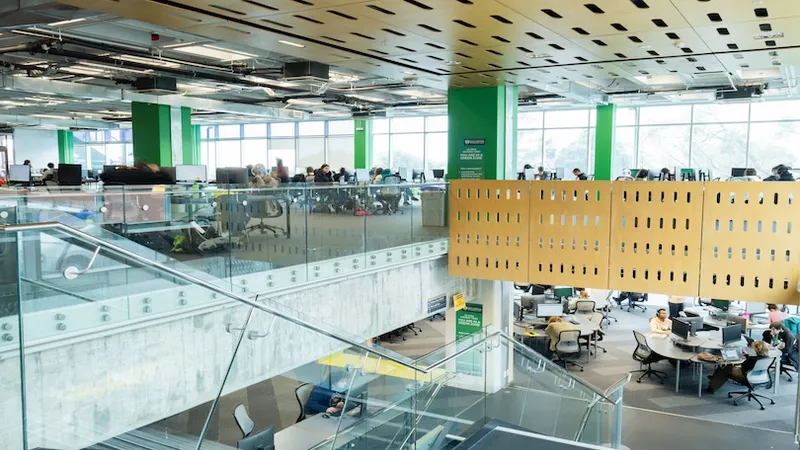
The university librarians: undervalued experts
A library assistant from Victoria University of Wellington explained:
“My job in the acquisitions department is highly technical, requiring cataloguing expertise, finance tracking, and the ability to troubleshoot access to hundreds of different online databases, but it’s paid on the same scale as when my job involved attending the front desk and shelving books.”
Her hope had rested on the pay equity process. Its removal left her “powerless”.
Another library assistant, with a Master’s degree, spoke of how low pay restricts women’s autonomy:
“The majority of the older people I know who work as library assistants are only able to do so because they are supported by male partners who earn a lot more than them in better-paid, historically male-dominated fields.”
Pay inequity becomes not just an economic issue, but an issue of independence, agency and dignity.
This librarian also provides resources to parliament. The parliamentary library does not subscribe to the major academic digital online journals, so those MPs who want in depth international searches are dependent on this assistance.
A tertiary librarian from Waikato described watching their serious, cross-sector equal pay claim evaporate overnight. All eight universities had acknowledged the claim was arguable. The abrupt cancellation was a “betrayal”, the librarian told the committee. Staff had volunteered substantial unpaid mahi, educating colleagues and gathering qualitative and quantitative data. Their employer remained supportive in theory, but political will dissolved.
The message was clear: the value of their work is acknowledged, but not sufficiently to merit fair pay. And those representing our bastions of liberty and freedom of thought – university vice chancellors – were afraid of retribution if they made a submission to our committee.
Another academic librarian listed the competencies required of her role: advanced database literacy, instructional design, IT proficiency, budgeting, product evaluation, research expertise and pastoral care. Then she pointed out the obvious: “Librarians and particularly library assistants remain underpaid, not because of the work’s value, but because these roles have historically been held by women.”

Council libraries: The frontline that no one sees
There were many times during our committee hearings when I was astounded. One gasp was prompted by the advice that when a local authority adopted the living wage for all employees, the income of assistant librarians rose.
Public librarians are archivists, educators, digital navigators, community workers, safety officers, literacy champions, and, more recently, first responders to social distress. Yet their work remains structurally underpaid because the public imagination (and the Act Party) still clings to the reductive stereotype of the person who checks out your books. Librarians’ reality is far more demanding.
I visited some of the online sites recruiting assistant librarians. The job descriptions advised you would be paid the living wage, you would be “working in neighbourhood hubs” or engaged in community work to “empower and connect with your community every day”. An ad for Lower Hutt librarians advised the roles “provide customer-focused services and community-led support which responds to the diverse needs of the community, and increases the awareness of, and engagement with community hub services, including library.”
Far from quiet sanctuaries, council libraries are frontline civic service centres.
Library assistants now explain scams and fraud to vulnerable people, help residents navigate online-only government services, support immigration, housing and financial aid applications, provide digital literacy training to seniors, manage community events, cultural programmes and children’s learning sessions, and process rates, dog registration payments and access to council services.
They are the triage point for citizens abandoned by the retreat of face-to-face government services.
The Public Service Association’s pay equity research work undertaken across six councils was meticulous. Interviews were conducted jointly by employer and employee representatives and recorded, transcribed and validated. Te Orowaru assessments identified clear undervaluation and confirmed that male-dominated comparator roles, such as fisheries officers, aligned closely in skill and responsibility.
What followed was resistance: changing employer representatives, dealing with their misunderstandings of pay-equity principles, forced relitigation of settled steps. When results finally emerged confirming undervaluation, employer support cooled and political support collapsed. Years of work from librarians, union staff, and supportive employers was discarded.
Across testimonies, three themes recur:
- Librarians do highly skilled, cognitively complex work. Digital literacy support, academic research assistance, community safety, database troubleshooting, pedagogical design, archival knowledge – this is not low-skill labour.
- The profession is overwhelmingly female. The correlation between feminised work and low pay remains stubbornly intact – a continuation of the old logic that “women’s work” is service, not expertise.
- The Equal Pay Amendment Act’s new barriers are deliberate mechanisms of exclusion: 1) raising the gender threshold to 70% over 10 years, and 2) restricting comparator roles to the same undervalued sector
These changes are not technical adjustments, they are political decisions that neutralise pay equity as a tool for justice. A government cannot claim to support pay equity while simultaneously rigging the rules so that legitimate claims cannot proceed.
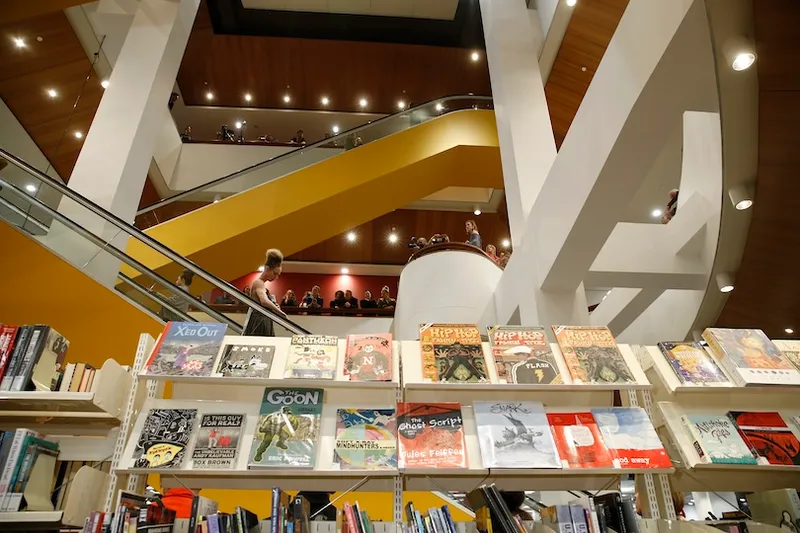
The human cost
Libraries are one of the few remaining public spaces where people seek shelter, children learn, migrants access essential services, seniors navigate the digital divide, communities gather, misinformation is countered and literacy is nurtured.
They are democratic spaces, staffed by workers whose expertise is simultaneously relied upon and undervalued. The testimonies speak not only of wages, but of depression, exhaustion, fear, and deep emotional injury as outcomes of the pay equity changes. One librarian writes of routine aggression and violence from patrons – yelling, threats, stalking, spitting, human waste cleanups, and punches.
My local library offers weekly story times for preschoolers, Lego club, craft afternoon, robotics and coding clubs, computer help sessions, JP clinics, Book Club, Garden Guru etc. The mobile library is extraordinary, traversing some of the poorest roads in the country to isolated communities. The mobile service offers free wifi (with their Starlink portable satellite system), access to council tasks and services, and front line information and advice. That’s all before we get to the library services, which includes bringing 4000 books to children in isolated areas. In the past year our library network has seen 225,000 instances of wifi and computer access, and in my town, the council service centre has moved into the library.
I am appalled not just by the impact of the pay equity amendments on librarians, but by the failure of local government and university employers to step up during negotiations, their silence after the amendment legislation was rushed through.
It’s my observation that librarians are the last front line supporting inquiring minds who like to distinguish evidence from sensation. With that in mind, the coalition should take heed of filmmaker Michael Moore’s observation: “[Librarians] are subversive. You think they’re just sitting there at the desk, all quiet and everything. They’re like plotting the revolution, man. I wouldn’t mess with them.”
The People’s Select Committee on Pay Equity will release its report on February 24.
The Spinoff Books section is proudly brought to you by Unity Books and Creative New Zealand. Visit Unity Books online today.

Marilyn Waring
Marilyn Waring is Professor of Public Policy at AUT and a former National MP.


