Here’s what you might not know about a boil water notice

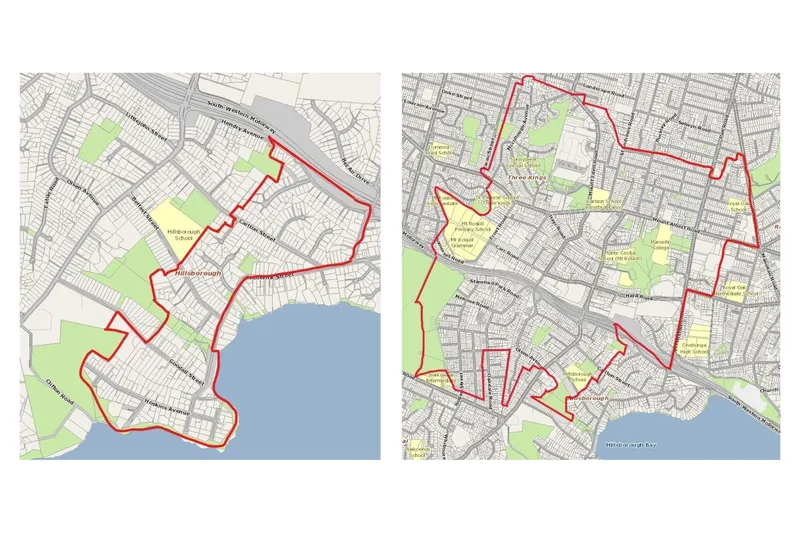
7,500 Auckland households remain under a boil water notice as a precautionary measure. (Illustration: The Spinoff)
A boil water notice is in place for parts of Auckland, following a similar advisory in Christchurch earlier this year. These precautions are not just about drinking, affecting hand-washing, doing the dishes and even watering the vege garden.
Watercare, Auckland’s council-owned water utility, issued a boil water notice on Sunday for parts of Mt Roskill, Royal Oak, Three Kings and Hillsborough, with residents “advised to boil drinking water until further notice” after traces of E coli were detected during routine sampling – now believed to have been caused by one sample tap. Follow-up testing of 21 samples showed no trace of E coli. However, as of Monday afternoon, that precautionary boil-water notice remains in place.
In February, 14,000 households in Christchurch were issued with a precautionary boil water notice after testing indicated a potential contamination of the water supply. It remained in place for several days. That same month saw a boil water notice issued in Pirinoa in Wairarapa after flooding inundated its treatment plant, and in Central Otago’s Roxburgh after a dead possum got into the reservoir. Kaeo in the far north has been under a boil water notice for 10 years.
This latest Auckland boil water notice covers around 7,500 households, and it extends beyond not being able to fill up a glass from the tap to quench your thirst. Here’s what you need to know.
So what do I actually need to do?
Taumata Arowai, New Zealand’s water services authority, sets out how to make your water safe if a boil water notice is issued. Boiling, funnily enough, is the easiest and cheapest way to do that for most people, and it’s very effective. Boiling water in an electric jug once is all you need to do, or you can bring water or to a rolling boil on the stove for one minute. Let it cool, and then store it in a lidded container for up to 24 hours. (Alternatives include buying bottled water or, for those in affected Auckland suburbs, sourcing treated water from one of Watercare’s two public tankers.)
And when do I have to do this?
In all the following scenarios, you should be using boiled (or otherwise treated) water:
Drinking. This goes without saying. (If you don’t like the taste of boiled water, Taumata Arowai recommends pouring cooled water back and forth from one clean glass into another to add air to the water, letting it stand for a few hours, adding a pinch of salt to each litre of boiled water, or chilling it in the fridge.)
Brushing your teeth. Use cooled boiled water to rinse both your brush and mouth.
Washing your hands. Use soap and boiled water. And wash them properly!
Washing up. Doing your dishes by hand? Boil a few jugs and use detergent – but don’t burn yourself.
Mixing baby formula. This should be done using commercially bottled water, or water that has been boiled and cooled first. If your boiled water is 24 hours old, it’s advised to boil it again for safety.
Watering your vegetable garden. Yep, you’re advised to use boiled or otherwise treated water for this too.
Making ice. Use boiled water.
Making coffee. Use boiled water.
Using a soda machine. Use boiled water.
Washing fruit and vegetables. Any food prep should be done using boiled-and-cooled, treated or store-bought water – this includes washing lettuce, soaking rice and rinsing chopping boards.
Cooking. If you’re boiling something like potatoes or peas, it’s recommended to bring the water to a proper boil first (to make sure any bacteria is killed off before the cooking process) before adding any food.
Water filters. Yours might be fancy, but the water that goes through it still needs to be boiled – filters don’t destroy bugs like E coli.
Is there anything that doesn’t require filling the jug?
Yes, tap water is still fine for the following:
Showering or bathing. As long as you don’t swallow the water, and be careful to avoid getting any in your eyes or nose. However, some people should take extra care; Taumata Arowai recommends giving infants a sponge bath instead of filling the tub, and people living with chronic illnesses, compromised immune systems or who have recent surgical wounds “may want to use” treated water for washing.
Shaving. Not a problem.
Running the dishwasher. Domestic models are “generally safe”, according to Taumata Arowai, as long as the final rinse reaches a minimum of 65 degrees.
Laundry. Also fine.
Filling your pet’s water bowl. This is considered safe, though call your vet if you’re worried.
Flushing the toilet. That’s fine.
Emma Gleason
Emma Gleason is a staff writer at The Spinoff and an award-winning fashion journalist. But it’s not just clothes that interest her, you’ll find her exploring tasty cheese, influenza outbreaks and more important things right here. She has experience with some of the country’s leading media outlets as well as the toaster in our kitchen.


