Oil crisis: Driving has never been worse. Driving has never been better

The downside is you have to sell a kidney for diesel. The upside is there are fewer traffic jams. (Image: Emily Wong)
More people are getting on buses and bikes and the roads are clearer for cars. Who would have thought?
Onewa Road is usually at a standstill by 7am. Bleary-eyed drivers converge on the arterial North Shore street from the pre-dawn hours, their cars snaking out of suburbs to the north, south and west. They crawl bumper to bumper for at least half an hour, waiting to exit onto the northern motorway and taste the sweet freedom of the five southbound lanes of the Auckland Harbour Bridge.
On April 8, things are different. Traffic, usually apocalyptic, is now merely bad. The queue starts further down the road. When the lights go green, cars actually move through intersections without ramming straight into the back of another snarl-up on the other side. There’s some increased congestion though. The buses heading down the road’s T3 lane are packed.
Some of the difference might come down to school holidays, but Onewa Road is part of a wider trend. As petrol and diesel prices have spiked, congestion has thinned out around the country. Auckland Transport says traffic volumes were 2.7% lower in the last two weeks of March than it would have expected based on historic data. The effect is more pronounced around the country. In a speech to the Automobile Association on March 27, transport minister Chris Bishop cited Ministry of Transport figures indicating there has been a roughly 20% reduction in kilometres travelled by cars nationwide since the start of the Iran war in late February.
That figure has since picked up a little, but the ministry data still puts general traffic well below baseline levels in Auckland, Christchurch and Wellington. Meanwhile, light and heavy commercial vehicle travel has dropped precipitously, with a 21% reduction since February.
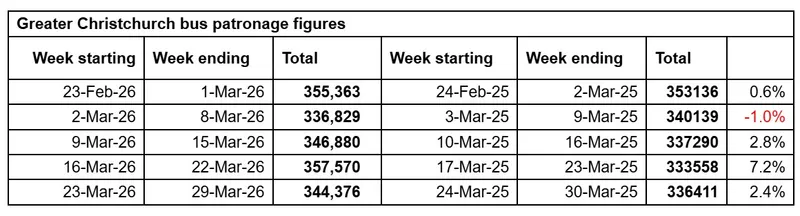
The drop-off in car use has been accompanied by a corresponding pick-up in almost everything that’s not a car. Ministry of Transport figures have public transport up 5.8% in Auckland and Wellington since February. Auckland Transport recorded its single biggest day of public transport patronage since before Covid on March 17. Environment Canterbury’s bus patronage was up 7.2% year on year in the week of March 16 and 2.4% year on year in the week of March 23. Cycling trips also rose 4% year on year in the region in March. Wellington City Council didn’t have its own stats to hand, but its spokesperson, Richard Maclean, confirmed the general trend. “Our anecdotal observations are that numbers of private cars on the road are down and that public transport usage has soared. Buses are crowded, Metlink is adding carriages to the Capital Connection train to Palmerston North and it’s standing room only on the Wairarapa trains. Scootering and cycling numbers are also spiking.”
In other words, faced with the prospect of selling their kidneys for five litres of diesel, people have increasingly gone for other transport options, and all those deferred car and truck journeys are making the roads clearer for the people who still have to drive. If all this sounds familiar, it’s because it’s exactly what transport advocates have been screaming at you for 85 years straight.
Their arguments boil down to a simple logic. Just like all of us except maybe Jesus or Suzy Cato, traffic tends to take the path of least resistance. If you prioritise roads and cars, people are going to use them, and lots of people using cars is otherwise known as a massive traffic jam.
Some have been advocating for making driving even worse to thin out the phalanx of automobiles clogging the motorways each morning. Sadly for those people, successive governments have been reluctant to follow their advice due to it being surefire political suicide.
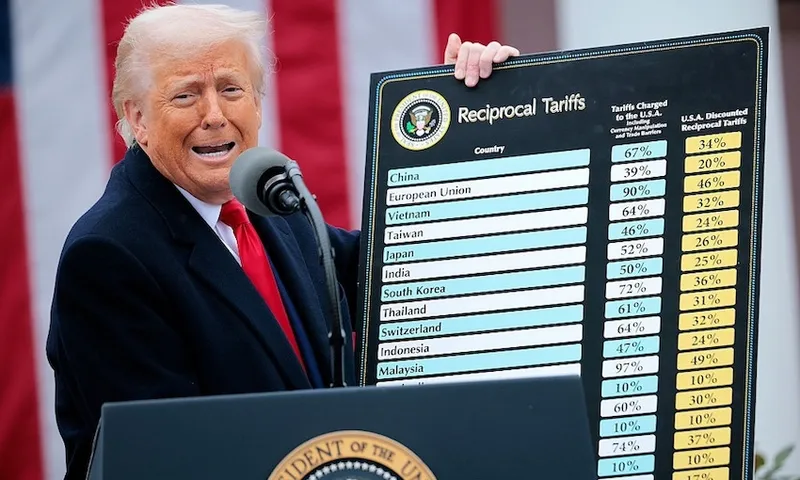
Now the writhing brainworms controlling Donald Trump’s foreign policy have made that decision for our local politicians. Petrol prices are acting like a blunt, universal version of a congestion charge or a big uptick in parking fees. They’re putting people off driving by threatening their wallets, and in doing so they’ve started to achieve what 70 years of motorway building is yet to manage.
The downside to that method is that many New Zealanders have already spent their retirement savings trying to buy 400g of Westgold butter. Everyone under 30 is one big power bill away from evacuating to Queensland. Petrol at $4 a litre may be the straw that breaks the country’s economic back.
Thankfully there are ways to clear up congestion other than having everyone declare bankruptcy at BP. The Infrastructure Commission provided a literal road map in the national infrastructure plan it released back in February, calling on the government to scale back its eye-wateringly expensive highway programme and invest in maintenance and more cost-effective projects.
Bike lanes are cheap. The few we have are increasingly well-used. Thanks to Auckland’s northern busway, at least a third of the people crossing the harbour bridge every morning take public transport. Anyone who actually cared about getting drivers from A to B quickly would be gearing their investment toward those modes of transport rather than sputtering about woke cycleways.
But rejigging transport investment still isn’t as effective as undertaking the complex manoeuvre known by experts as “building stuff close together”. Authorities don’t need to spend so much on providing alternative transport if people’s houses are already a short walk from the shops or their office. It would be a shame, then, if the government had spent the last year systematically watering down its own housing plans in order to stop apartments close to Auckland’s city centre.
When the government announced its latest backdown aimed at doing exactly that, Labour’s Phil Twyford stood in parliament to accuse some of its MPs of “conniving in the intergenerational theft of opportunity and wealth”. Maybe. But they were also arguably conniving in the intergenerational theft of a breezy commute to work without 40,000 cars in front of you on the southern motorway. Now a ceasefire has been announced in the Iran war, shortly after Trump’s threat to commit a few light genocidal war crimes. It’s possible that petrol prices might eventually go back to something approaching normal for those poor saps queued up every morning on the roads around Upper Hutt or Onehunga. If and when that occurs, driving is going to get less expensive. But if there’s one thing this crisis has taught us, it’s that it won’t get better.

Hayden Donnell
Hayden Donnell is a senior writer for The Spinoff. He previously worked at RNZ, TVNZ and the New Zealand Herald, alongside other media companies that have since closed down or been renamed. His primary passions are local politics and the Big Fresh animatronic fruit and veggies.


