Feminist self-defence network in fight for survival

With government funding drying up and their last staff member forced to resign, the future of Aotearoa’s only nationwide self-defence network hangs in the balance.
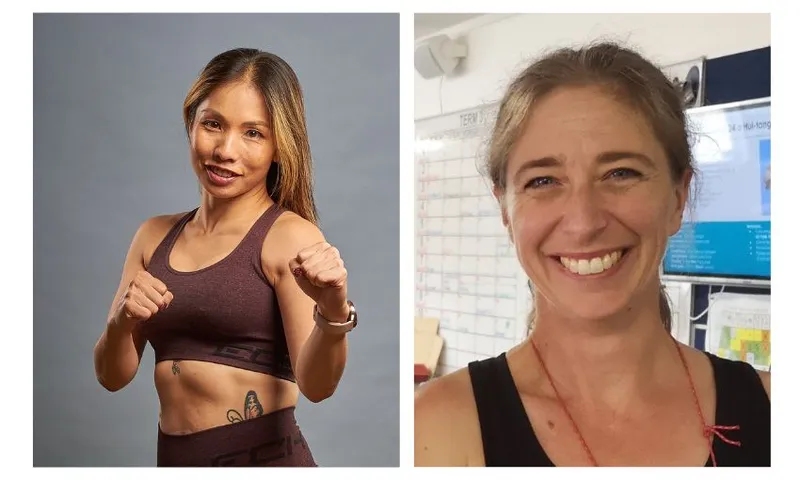
No matter how old the students are, every Kia Haumaru class starts the same. “You walk in and everyone’s quiet and everyone’s gone shy, they are nervous because they don’t know what they’re about to get into,” says Hawke’s Bay kaiako Brie Sergeant. By the end of the course, it is a different story. “They’re all yelling, they’re full of energy and they are just so confident in themselves.” The transformation is such that participants have been known to disclose trauma from their pasts to teachers, sometimes it’s first time they’ve ever shared their experience.
“They feel they can confide in us,” says Sergeant. “They just feel that much more supported, that much more heard.”
For nearly 40 years, Kia Haumaru, formerly known as the Women’s Self Defence Network – Wāhine Toa, has taught girls, women and members of the LGBTQIA+ community to stick up for themselves, with a network of kaiako across the country teaching empowerment self-defence to an average of 15,000 people a year. “Self defence is usually some guy from a martial arts organisation,” explains Tāmaki Makaurau kaiako Vivian Chandra, “but we are trained, accredited women and non-binary people, and we do it all with a feminist lens.”
With its roots in second-wave feminism, the self-defence class has evolved well beyond judo moves and putting keys between your fingers over the last few decades. “We actually have more conversations now than we do physical moves,” says Sergeant. “Everyone learns that we have a right to be safe and we have a right to use our voice, and that includes in conversations about pornography, deep fakes and AI.” Chandra remembers having to remove a teaching scenario about a stranger breathing down a landline, because nobody used them anymore.
The type of people who might take a self defence class also reflects a more inclusive Aotearoa, with Kia Haumaru welcoming students from the deaf and blind community, hosting Pride events around the country, and holding free classes for the Muslim community following the March 15 terror attacks. “It bears repeating that the only people who can stop violence is those who choose to use violence,” says co-chair Julie Poirier. “But of course, it makes sense to still learn to resist, because knowing what you can do really helps boost your confidence.”
At its peak period in 2020, Kia Haumaru was teaching around 1300 courses a year and was anchored by government funding from Oranga Tamariki, The Ministry of Social Development and ACC. Their bread and butter was teaching school courses that spanned from year three all the way to year 12, and allowed Kia Haumaru to cover a lot of ground within the old relationship and sex education curriculum. When the government removed the RSE guidelines at the start of 2025, things changed. “We had some courses declined because the curriculum had been pulled, and so schools just didn’t want to do it anymore,” says Chandra.
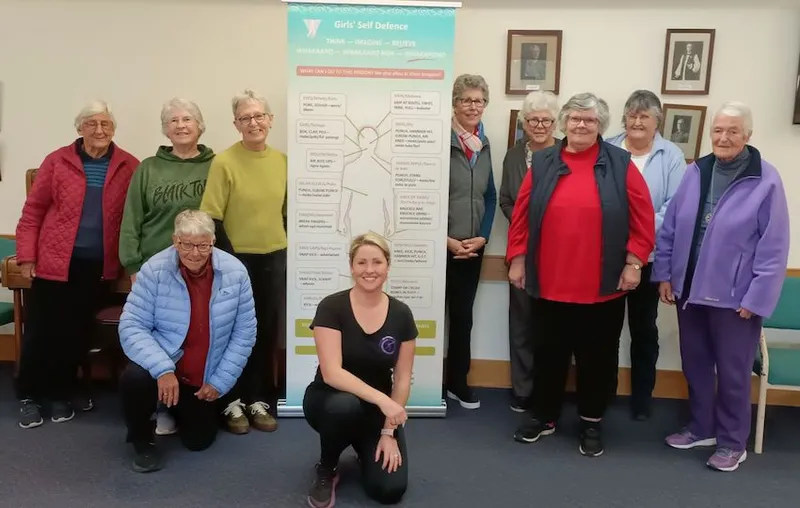
Now facing their longest period without any government funding since the organisation was formed, Kia Haumaru will lose their last paid staff member at the end of January. “Unfortunately whenever the funding gets a bit more uncertain, people do need to go off and do other things, because obviously they need to eat, and trying to get them back is hard,” says Chandra. “When you start to build up that infrastructure, which is what we’ve done over so many years, what’s actually at risk now is all of that institutional knowledge we hold as well.”
While they face the most challenging period in the organisation’s history, the team at Kia Haumaru are more concerned about what is truly at stake for the country. “It really scares me to see how the changes at our school level is happening so fast, and how long it will take to undo some of that damage,” says Chandra. “Without organisations like us, there could be an entire Aotearoa-wide sea change in what is acceptable to talk to our kids about or not.”
Sergeant agrees. “We’ve had to speak with principals about the fact that we may not have funding for the years ahead and they’re devastated, because they see the change in their students, and they see how empowering it is for them.” She adds that Kia Haumaru classes also provide a safe space, for young people especially, to raise concerns about things happening in their own life. “What about those kids that don’t get that opportunity anymore? We could actually be taking away the safety of some of our children, which is just devastating.”
While they search for alternative funding opportunities, there is also space to reflect on how much has changed in the time that Kia Haumaru has been operating. “There is much more of an awareness of what’s not okay in society,” says Poirier. “People are saying ‘no, we’re not going to put up with that crap’.” That said, there’s also a rising sense of fear in the LGBTQIA+ community in recent years. “It actually feels safer to walk in the streets as an openly queer or trans person 20 years ago than it does right now, and that scares me,” says Chandra.
“There are new dangers, but there are not new ways to protect yourself,” she adds. “And there’s still lots of work for us to do.”

Alex Casey
Alex Casey is a senior writer at The Spinoff with over a decade of experience writing about popular culture and social issues in Aotearoa. She lives in Ōtautahi and likes watching reality TV and walking the dog, occasionally at the same time.


