After the treaty settlements: Kotahitanga Fund signals new phase

Kuini Nga wai hono i te po and her father Tūheitia Pōtatau Te Wherowhero VII. (Image: Kiingitanga). (Additional design: The Spinoff).
It’s been three decades since the first treaty settlements were signed. Now, settled entities are turning their focus to making investment accessible to Māori across the country.
The Kotahitanga Fund, launched by Kuini Nga wai hono i te po last weekend, marks a new era in the Māori quest for self-determination. The iwi-backed sovereign wealth fund is focussed on investing in indigenous-owned business enterprises and is set to transform the way Māori entities do business. The Māori Queen has called it a move towards achieving true mana motuhake. It is a step change in the way iwi invest and symbolises a remarkable three-decade transformation of the Māori economy.
Rewind 30 years and New Zealand was seeing its very first treaty settlement – a $170m deal brokered between the Crown and Tainui. At first, that significant point in history may not seem to have anything to do with the announcements last weekend, but the two are entirely intertwined. Last weekend’s chapter really began in the 1990s.
The mid-90s were a turning point for Māori-Crown relations in Aotearoa. The Waitangi Tribunal had been in action since 1975, and claimants and politicians were beginning to grow tired of the prolonged claims process. However, the mood would soon begin to shift.
In 1993, in the throes of negotiations with Waikato-Tainui, minister of treaty negotiations Douglas Graham chose to return Hopuhopu Military Camp to the iwi. It was a sign of the government’s intentions to settle the outstanding Tainui claim. In 1995, that $170m deal was brokered and Tainui became the first large iwi group to settle a claim with the Crown.
It was a seismic deal that would go on to alter not only the future of Tainui, but the entirety of Māoridom. Graham became so well respected amongst the Tainui people that the grandson of then Māori Queen Te Arikinui Te Atairangikaahu was bestowed with the name Douglas in his honour.
Since signing that deal in 1995, Tainui has received an extra $220m in relativity payments – top-ups from the Crown ensuring the overall value of its settlement remains 17% of the total distributed to claimants as part of the Treaty claims process. With the $390m they have so far received from the Crown, Tainui has managed to grow the worth of its asset base to at least $2.4b.
Similarly, other settled entities, such as Ngāi Tahu or Ngāti Whātua Ōrakei, have substantially grown their wealth through strategic investments. The Crown estimates $2.74b has been transferred to Māori through 80 settlements. In 2023, those settled entities were thought to have a total asset base worth in excess of $12b.
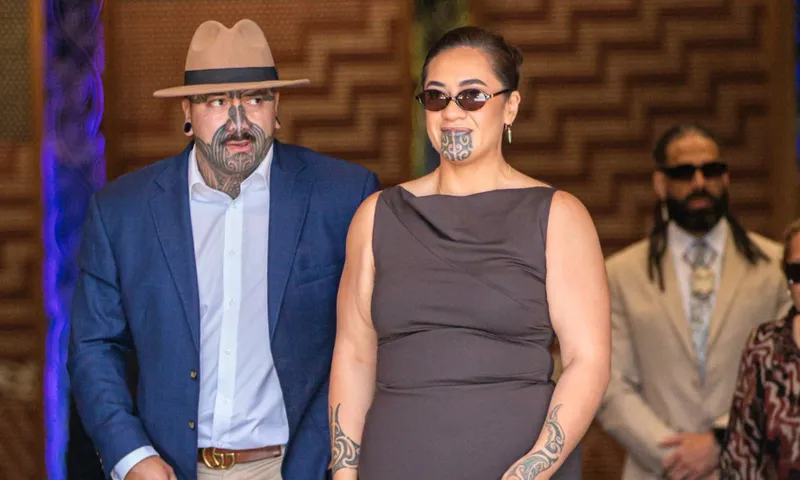
Now – 30 years on from the settlement – another grandchild of Te Arikinui Te Atairangikaahu, Kuini Nga wai hono i te po, is leading Tainui into the next phase of its post-settlement era. Last weekend, she launched the Kotahitanga Fund – a sovereign wealth fund backed by Māori entities. With $100m already committed in seed-funding from various iwi, the fund will focus on investing in Māori-owned initiatives.
For decades, iwi have invested independently – each with its own strategy, land base and governance approach. Collaboration has certainly existed, but capital has largely been siloed. Kotahitanga flips that model. By pooling capital, iwi can move into opportunities that previously felt out of reach: infrastructure; large-scale housing; clean energy projects; national logistics networks; cultural media platforms; and Māori tech ecosystems.
According to MBIE, the Māori economy is worth $126b. However, organisations like the Reserve Bank say Māori still face a number of barriers to accessing capital. Legislative constraints, low trust between Māori and the banking system, and market failures have been identified as key contributors to Māori businesses receiving just 1.89% of total business lending by banks.
While the idea of a Māori-owned sovereign wealth fund is not new, the Kotahitanga Fund is the first to launch publicly. The National Iwi Chairs Forum has been formally working on the establishment of the double-pronged Rauawa strategy since 2022. Led by Māori access to capital for the economic pou (pillar) of NCIF June McCabe and John Bishara, Rauawa is a long-term strategy focused on improving Māori access to capital, eliminating financial hurdles, and creating a sustainable, enduring Māori asset class in the capital markets.
According to McCabe, Rauawa is focussed on establishing a clearinghouse – a designated intermediary between buyers and sellers – and fostering collaboration among iwi and other Māori authorities. While McCabe confirmed she had been involved in an advisory capacity with the Kotahitanga Fund, she said it was separate to the mahi being carried out by NICF, though the aim was to eventually “converge” collective efforts.
Crediting her father, Tūheitia Pōtatau Te Wherowhero VII, with the idea for the fund, Nga wai hono i te po told the 200-strong, invite-only crowd in Hamilton that the Kotahitanga Fund is tikanga-based and led. It is backed by lenders interested in increasing capital supply to borrowers and focused on making measurable improvements to Māori social determinants.
“Every opportunity must deliver real outcomes for our people and solid returns that grow wealth for generations to come”, Nga wai hono i te po said during her speech.
While the launch of the fund has been welcomed by many, there are also some concerns about the readiness of Māori organisations to receive such funding. Speaking exclusively to The Spinoff last year, McCabe said: “We need to be smart about readiness because the flow of capital, if it was on stream today, it wouldn’t be able to go anywhere.”
Exactly what the fund will look to invest in is unknown, but there are already instances of iwi joining together on projects and opening the door to co-investment. There’s Te Tomokanga ki Tāmaki – The Gateway to Auckland, a 56-storey skyscraper development where the Auckland Downtown Carpark currently is. Iwi have also been investing in the likes of ports, industrial and logistics hubs, and actively exploring investment opportunities in other large infrastructure projects.
With greater access to capital on the horizon, the $32bn the Māori economy currently contributes to New Zealand’s GDP is expected to grow significantly. Publicly available information around how the fund will operate and who will be able to apply for funding is scant, but many will be watching closely to see just who benefits.
The Māori institutions that flourished in the settlement era represent only part of Māoridom. Many iwi – especially those still negotiating with the Crown – do not have multibillion-dollar portfolios to draw from. Many hapū have never had land or assets returned. Many whānau are still struggling to pay for kai, power, petrol and rent. A sovereign wealth fund may hold promise, but promise does not put food on the table.
Nga wai hono i te po says this a vital step in Māori achieving mana motuhake but Māori prosperity cannot be measured solely through institutional wealth. Without deliberate redistribution, investment in lower-income Māori communities and systems that address housing, education, health, and employment inequity, the gap between iwi institutions and everyday whānau may widen.
We have moved from claims to compensation, from compensation to investment, and now from investment to collective capital – a distinctly Māori sovereign fund that asserts economic self-determination on a scale once unimaginable.
Whether Kotahitanga becomes a defining institution of the next 30 years will depend on what it funds, how transparently it operates, who it benefits, and whether it honours the whakapapa of the struggles that made its existence possible.
But one thing is already clear: if the 1990s marked the dawn of the post-settlement era, this moment – this launch, this fund, this declaration of Māori investment into Māori futures – signals something else entirely: We are no longer just settling the past, we are beginning to build the future.
And despite the Crown’s insistence that settlements are “full and final”, Māori know better than anyone that nothing about te Tiriti, or its promises, is ever truly finished.
Listen to Episode 5: The Seven Generations Fight of Juggernaut 2: The Story of the Fourth National Government now.

Liam Rātana
Liam Rātana (Ngāti Wairupe/Ngāti Kurī) is editor of The Spinoff's Ātea section. He is passionate about indigenous and minority issues. Liam enjoys cooking, poetry, photography, and exploring the outdoors.


