

The Waitangi Tribunal says the Citizenship Act fails to recognise Māori as tangata whenua, leaving some unable to claim the birthright their ancestors signed for.
“The ability for Māori to live in New Zealand underpins their ability to exercise rangatiratanga,” states the Waitangi Tribunal report on Wai 3513.
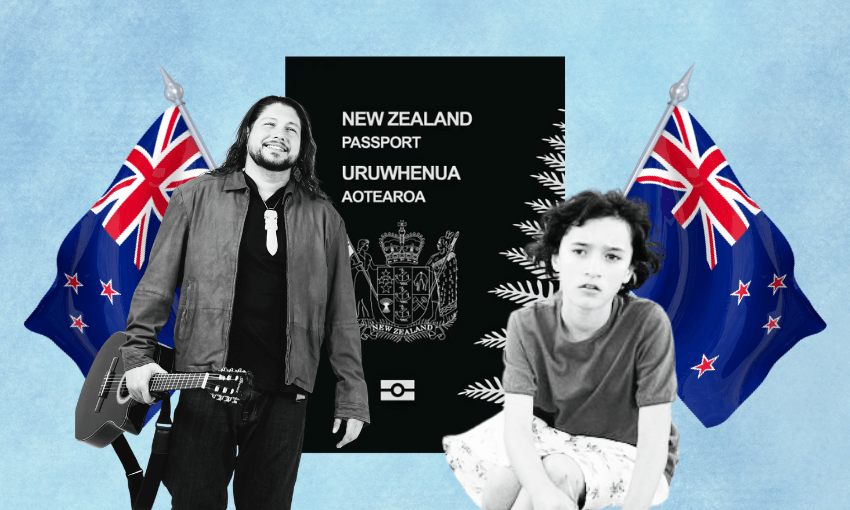
It’s a concept central to the claim brought to the Tribunal by Australian-born John Ruddock. With a Māori mother and Scottish father, Ruddock moved back to New Zealand when he was just a week old, before moving to Hawai’i with his mother. Now a father of three children – all of whom were born in the United States – Ruddock returned to Aotearoa with his kids in April this year only to discover the kids had no legal right to remain here.
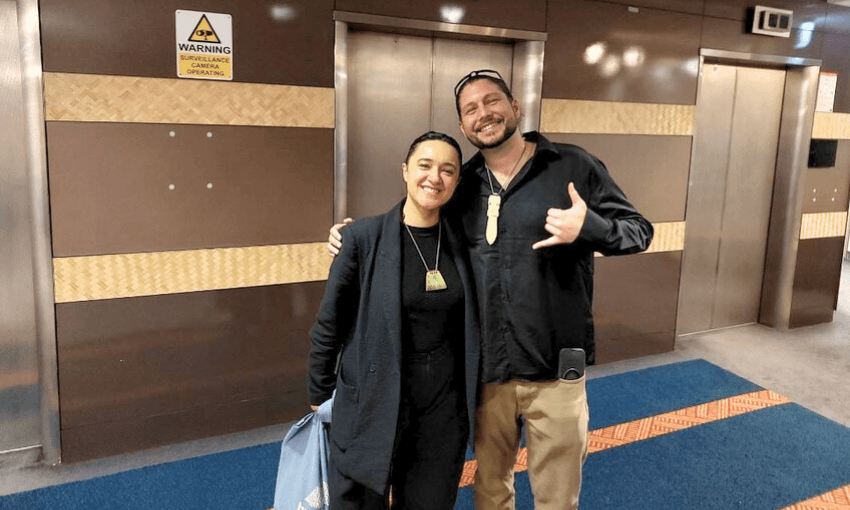
Although he is a New Zealand citizen by descent through his mother, Ruddock’s children do not automatically qualify for citizenship. Which brought about the claim to the Waitangi Tribunal.
How can people currently acquire New Zealand citizenship?
There are four main pathways to acquire New Zealand citizenship – by birth, descent, grant (commonly through permanent residency) or special grant. Citizenship by birth requires the person to have been born in New Zealand and at least one of their parents to be a citizen. Citizenship by descent grants citizenship to children born to New Zealand citizens overseas, but restricts the ability of those children to hand down their citizenship to any children they have outside of New Zealand. Citizens by birth, grant, or special grant do not have this limitation – children of parents with these types of citizenship are automatically New Zealand citizens, regardless of their place of birth.
What are the benefits of having New Zealand citizenship?
New Zealand citizenship offers a range of legal rights and practical benefits. Citizens have the unrestricted right to live, work and study in Aotearoa, and cannot be deported. They receive a New Zealand passport, enabling visa-free or visa-on-arrival travel to over 180 countries, and can freely enter, live and work in Australia. Citizenship also grants full political rights, including voting, standing for parliament, access to certain public roles and eligibility for government services and scholarships reserved for citizens. In addition, citizens enjoy the full protection of New Zealand law and the symbolic recognition of belonging and identity as tangata whenua or tangata Tiriti within Aotearoa.
So why did the Waitangi Tribunal hear this case?
Since September 2008, no new historical claims can be filed with the Waitangi Tribunal (though this could be repealed). As a result, the Tribunal focuses specifically on claims relating to actions of the Crown since 1975 for alleged breaches of te Tiriti o Waitangi.
In this instance, Ruddock claimed that although the minister of internal affairs can use discretion to grant citizenship in cases like his, there is no explicit requirement for the minister to consider te Tiriti o Waitangi or the fact the applicant is Māori and indigenous to Aotearora. The claim argues that the Crown has failed to recognise Māori rights of belonging to Aotearoa, saying the Citizenship Act ignores the Māori ancestral and Treaty relationship with the Crown, causing unfair outcomes. Ruddock claims the right to be in Aotearoa underpins all other Treaty rights, with te Tiriti affirming Māori citizenship through whakapapa and legal citizenship.
What was the tribunal actually investigating?
The two questions the Tribunal sought to answer were:
- Is the Citizenship Act 1977 and the processes for applying for citizenship by grant compliant with the principles of the treaty ? And, if not :
- What changes, if any, could the Crown make to ensure treaty-compliance of its legislation and policy ?
And what did it consider as part of its investigation?
Firstly, the Tribunal considered whether the Citizenship Act 1977 protects Māori citizenship rights. It believed equal and fair treatment “as integral to Māori citizenship rights” and that disallowing some Māori citizenship based on their parents being citizens by descent caused prejudice compared to other Māori citizens – a potential breach of the Crown’s “obligation to treat all groups of Māori equally and not exacerbate divisions”. Finally, the Tribunal also considered the treaty principle of options to be applicable in this inquiry, as “Māori have a right to live as Māori in manners of their choosing”.
What evidence was presented?
Evidence was also supplied by Māori impacted by the legislation, such as actor Keisha Castle-Hughes. Born in Australia but raised in New Zealand since she was one, Castle-Hughes gave birth to a daughter while working on set in the United States at the peak of Covid lockdowns and border restrictions in New Zealand. As Castle-Hughes was born overseas and a citizen by descent, her American-born daughter did not automatically qualify for New Zealand citizenship.
“When I first got the letter of denial, I will never forget what it said: ‘This child has no pathway to New Zealand citizenship.’ It rocked my entire world,” Castle-Hughes said in her brief of evidence.

Throughout the ordeal, Castle-Hughes faced questions about her involvement with her marae and whether she participated in kapa haka. “It is this real te ao Pākehā lens of what being Māori is. It is in these ways that I believe the system is deeply, systemically racist,” said Castle-Hughes.
What did the Crown say in response?
In its response, the Crown submitted the ministerial discretion provided for in the Act does “provide a pathway for Māori born overseas to rely on whakapapa to support applications for citizenship” and “experience shows that the process ultimately achieves outcomes that do not prejudice Māori”.
Are there other countries that extend citizenship to two generations?
Yes. The Republic of Ireland is one such example that the Tribunal looked at. In Italy, anyone with an Italian ancestor previously qualified to be a citizen under the “jus sanguinis”, or descendent bloodline law – though this was recently tightened. Poland extends citizenship by descent to those who can prove Polish ancestry from an ancestor who was a citizen after 1919 and Greek citizenship by descent can be passed down through generations, as long as a lineage can be proven.
What were the Tribunal’s findings?
The Tribunal found that the Citizenship Act 1977 and its processes breach several Treaty principles, as the Crown failed to consult Māori on citizenship rights and procedures, excluded recognition of Māori as tangata whenua, and allowed officials to judge whakapapa. These actions were said to undermine Māori authority, prioritise birthplace over ancestry and limit citizenship by descent, forcing Māori to choose between overseas opportunities and their children’s right to return to their whenua.
It was recommended by the Tribunal that the Crown consult and co-design with Māori to reform the Citizenship Act 1977, ensuring it reflects Māori rights and Treaty principles. This includes acknowledging Māori as tangata whenua, requiring the Act to give effect to Te Tiriti, and creating a tikanga-based pathway for citizenship where hapū and iwi can assess whakapapa. In the meantime, it urged the Crown to extend citizenship by descent to two generations for Māori, recognise te reo Māori under section 8(2)(e), and grant citizenship by grant to Ruddock immediately and free of charge.
What is likely to happen from here?
Minister of internal affairs Brooke van Velden has told media she will not be making amendments to the Citizenship Act 1977. Neither National nor Labour have indicated they would commit to making changes to the current process. However, the Green Party manifesto does include a policy that all individuals who whakapapa Māori should be eligible for Aotearoa citizenship, regardless of country of residence or birth.
Meanwhile, Castle-Hughes has been successful in lobbying the minister to grant her daughter citizenship. Ruddock’s children have been granted temporary student visas but their battle for citizenship is ongoing.