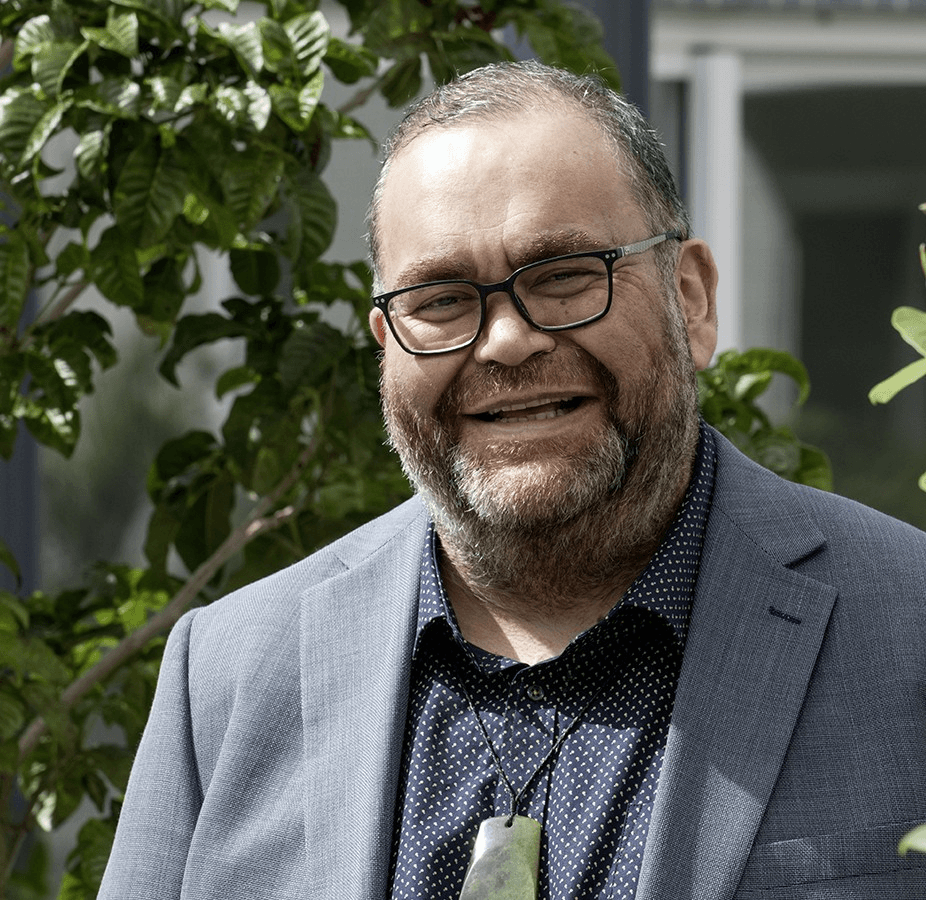


Kotahitanga is a focus for dispute at present in te ao Māori. Kaiwhakatō (director) of Te Kākano Leadership Institute Hirini Kaa (Ngāti Porou, Ngāti Kahungunu, Rongowhakaata) examines what it is and where it fits.
Kotahitanga is often held up as the goal of te ao Māori. Being united and unified feels good, and from the world’s catchiest song ‘Aotearoa – Maranga Ake Ai’ through to hīkoi to merch, you can wear it, sing it, walk it, believe it – together. I’m old enough to remember getting dragged along on anti-apartheid and anti-nuclear marches in the 80s where there were very few of us and lots of angry them. Kotahitanga was the one thing that gave us strength.
The recent raru within Te Pāti Māori has been instructive. In all of the politics being played out, there is a question of who is actually upholding kotahitanga, and what does it mean to do so. Amid the kōrero of the leaders and their supporters on social media, the breaching of kotahitanga seems to be seen as the biggest sin. This is especially so in the face of a seemingly endless well of Pākehā racism, where we have to circle the waka for our own survival.
For those who live in te ao Māori, this is a familiar dynamic. If you’ve worked in a Māori organisation, you’ve no doubt had those moments where the pressure comes on from Pākehā. It may be over funding, politics, relationships or just the general everyday structural racism of New Zealand. In response, there’s an almost instinctive drive to unity, often accompanied by Māori silence and conformity.
Sometimes this is unhelpful. I’ve seen and been in many Māori organisations where this urge for kotahitanga was weaponised to suppress dissent. Pākehā finding anything out is made to feel worse than any toxic behaviour going on internally. Too many leaders find these easy chords to play. Mainstream media, transparency and reporting are seemingly unworthy accountabilities.
But kotahitanga is a little more complicated than we often make out.
The Kīngitanga is probably the ultimate expression of kotahitanga. This search for unity was strongly articulated by Kuini Ngawai hono i te po as she laid out her priorities at the recent Koroneihana. And her stance is widely supported, as is the movement. However, we have to remember that most iwi didn’t actually sign up to the Kīngitanga at first. As Monty Soutar notes, in the pressure cooker of the 1860s – as settlers rapaciously took the land – all hapū and iwi had the same goal of wanting to survive and thrive. Some decided that would best be done together in a pan-tribal movement, such as the Kīngitanga. The majority decided that it would best be done separately, maintaining their own mana motuhake as individual iwi.
As Māori, we have a very inclusive and expansive view of ourselves. We think of manaakitanga – literally the practice of uplifting the mana of another – as being open for all comers. We think of whānau in very broad, inclusive terms. This lays the groundwork for kotahitanga. My late father Hone Kaa used to say that actually we had an exclusive view of both. Whanaungatanga was reserved for my whānau, not yours. Manaakitanga was a beautiful practice and idea, but not always for everybody.
This next part is going to be pretty unpopular, but he (and I) understood that it was Christianity that radically expanded our notion of both, that effectively universalised it. When Jesus drew on the ancient mātauranga of his people and commanded his followers to love your neighbour, he followed it up with the story of the Good Samaritan. In doing so, he challenged his fellow Jews to rethink who their neighbour (whanaunga) was and who deserved manaaki – everybody and anybody.
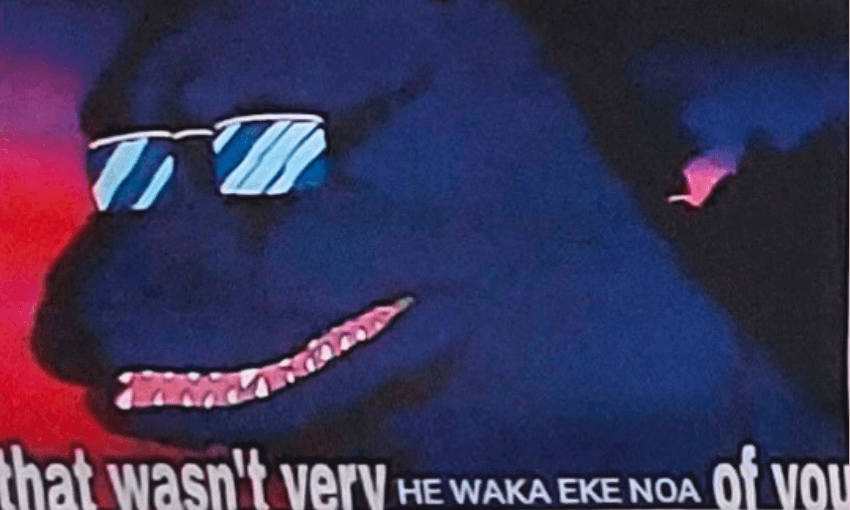
This exclusivity was because there’s no such thing as “Māori”. There is, of course, only Ngāti Porou and miscellaneous others. If you get the joke, you will also have been expecting it at some stage. That’s because we are so distinct as iwi in our identity. We have been “flattened out” in our shared urban experience and our shared educational texts, but we are still distinct.
Kotahitanga is a means, not an end. In a fascinating piece of work by – of all places – the Treasury, there is He Ara Waiora, a wellbeing framework. In it, the mātanga who pulled this together describe kotahitanga (and the other tangas) as the “means” to achieve the “ends”. The ends are ira tangata, te taiao, and wairua. Kotahitanga, in this thinking, is not the goal but a path to get to a life-giving future.
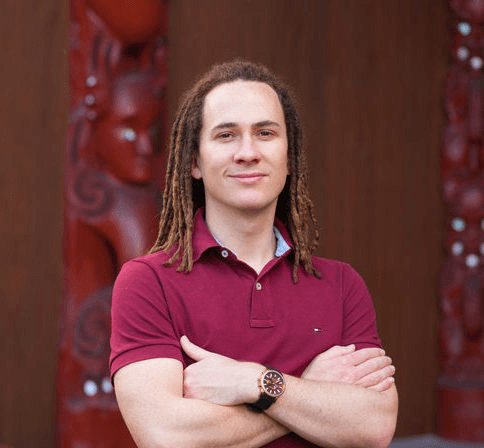
That’s worth some thought. Eru Kapa-Kingi looks like a gifted young man, and he has many decades of leadership in front of him to learn lessons from. I’m not sure how this current situation will play out, but I think it’s worth considering what values are at play here and how we need to think about them. Kotahitanga is valuable and needs to be nurtured, but it also needs to be kept in perspective. Let’s find a flourishing future for our people, and ensure that remains the destination of the hīkoi.