With an extremely small number of speakers, Moriori are aiming to bring back their language from the brink of extinction.
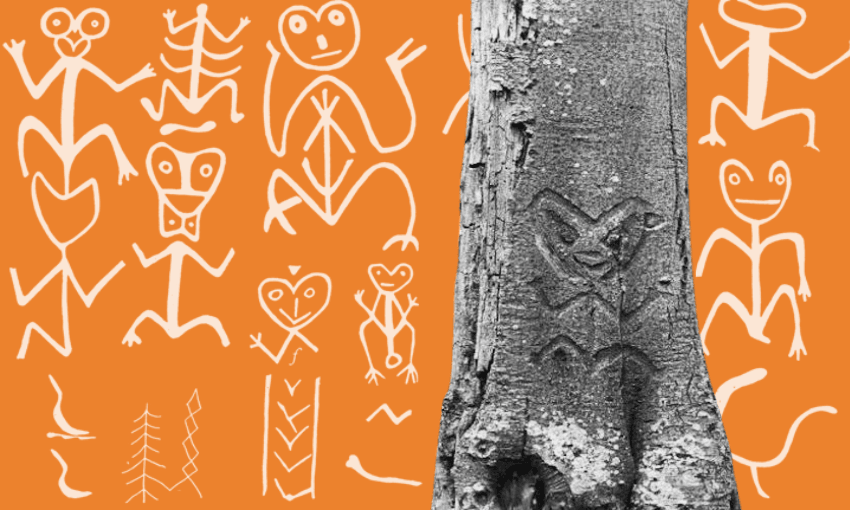
In 1835, the only language spoken on Rēkohu – the Chatham Islands was ta rē Moriori, the language of the Moriori. They had long lived in isolation on the group of islands approximately 860km east of Ōtautahi, developing a distinct language akin to te reo Māori, but unique in its own right.
However, over the next 35 years, the Moriori population decreased from 1,700 to an estimated 100 by 1870. The number of ta rē Moriori speakers dwindled greatly, with only a few surviving speakers remaining. Following their deaths, ta rē Moriori became a dormant language with no remaining native speakers. The dominant language of Rēkohu became te reo Māori, followed by English.
Over a century later, Moriori are on a path to revitalising ta rē Moriori. Although there are approximately no more than 10 people able to hold a conversation in ta rē Moriori, efforts are ongoing to grow that number. Today marks the first ever wik’ a ta rē Moriori, or Moriori Language Week. Led by the Hokotehi Moriori Trust, organisers are hopeful they can continue to grow awareness and use of the language.
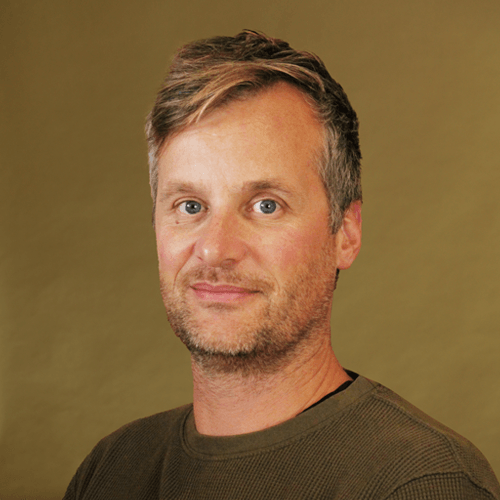
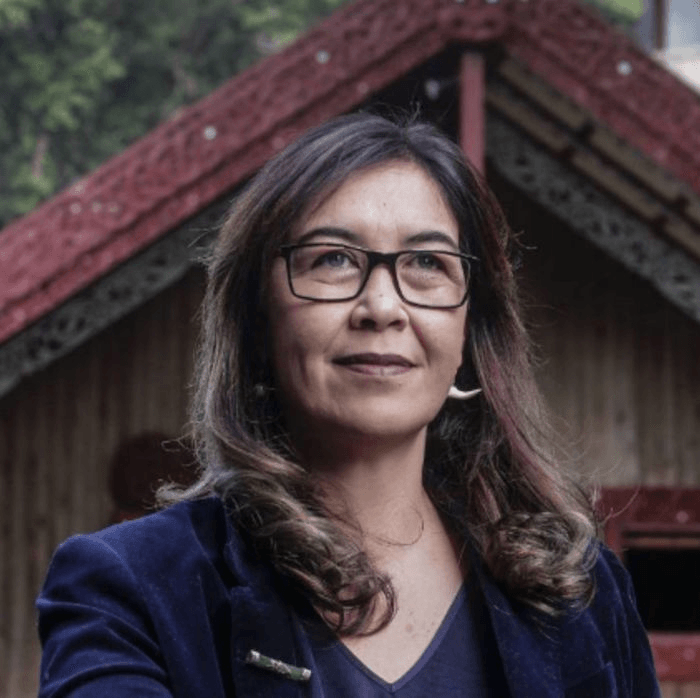
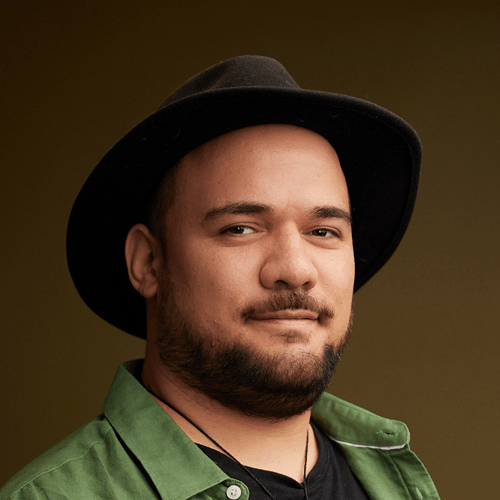
“We want everyone to be proud of who they are, stand strong in their culture, and actually have some resources to understand what that even means,” says deputy chair Chas Taurima.
In the early 2000s, a renaissance of ta rē Moriori began with the compilation of a database of words. With no audio recordings of the language available, those leading the work have depended on archival accounts written by Pākehā scholars and Moriori elder Hirawanu Tapu, who passed away in 1900.
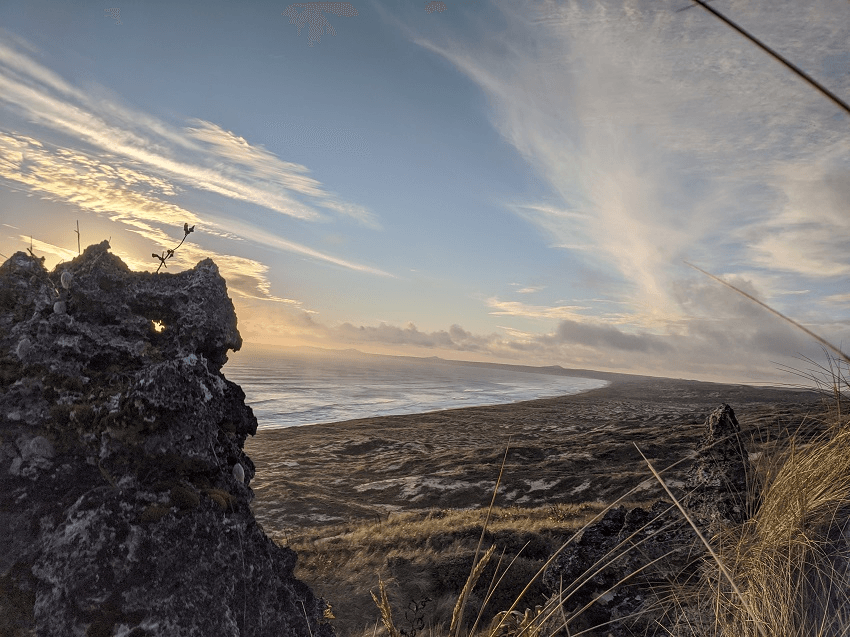
Now, ta rē is once again becoming a prominent language on Rēkohu. There are apps, children’s books, learning resources for babies, signposts in the language, language wānanga, online classes and now an entire language week. However, getting to this point hasn’t been without challenges.
One of the toughest obstacles to overcome has been dispelling common myths that continue to perpetuate about the Moriori people. Some claim Moriori were the original inhabitants of Aotearoa and were subsequently driven out by Māori. Others say Māori killed all Moriori, causing the Moriori to go extinct. Neither of those things are true.
“Our name gets used and abused by everyone for their own political agendas. Our history has been told by people who are not Moriori and who don’t care about Moriori. Our name just gets weaponised,” says Taurima.
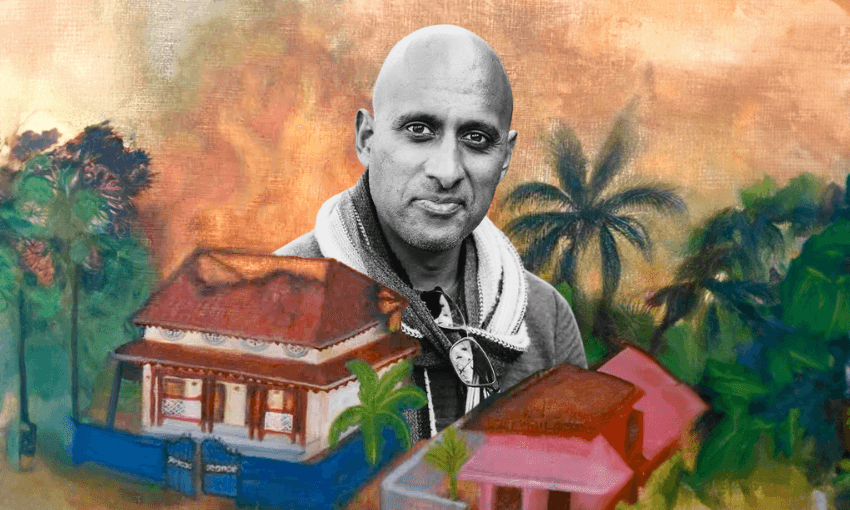
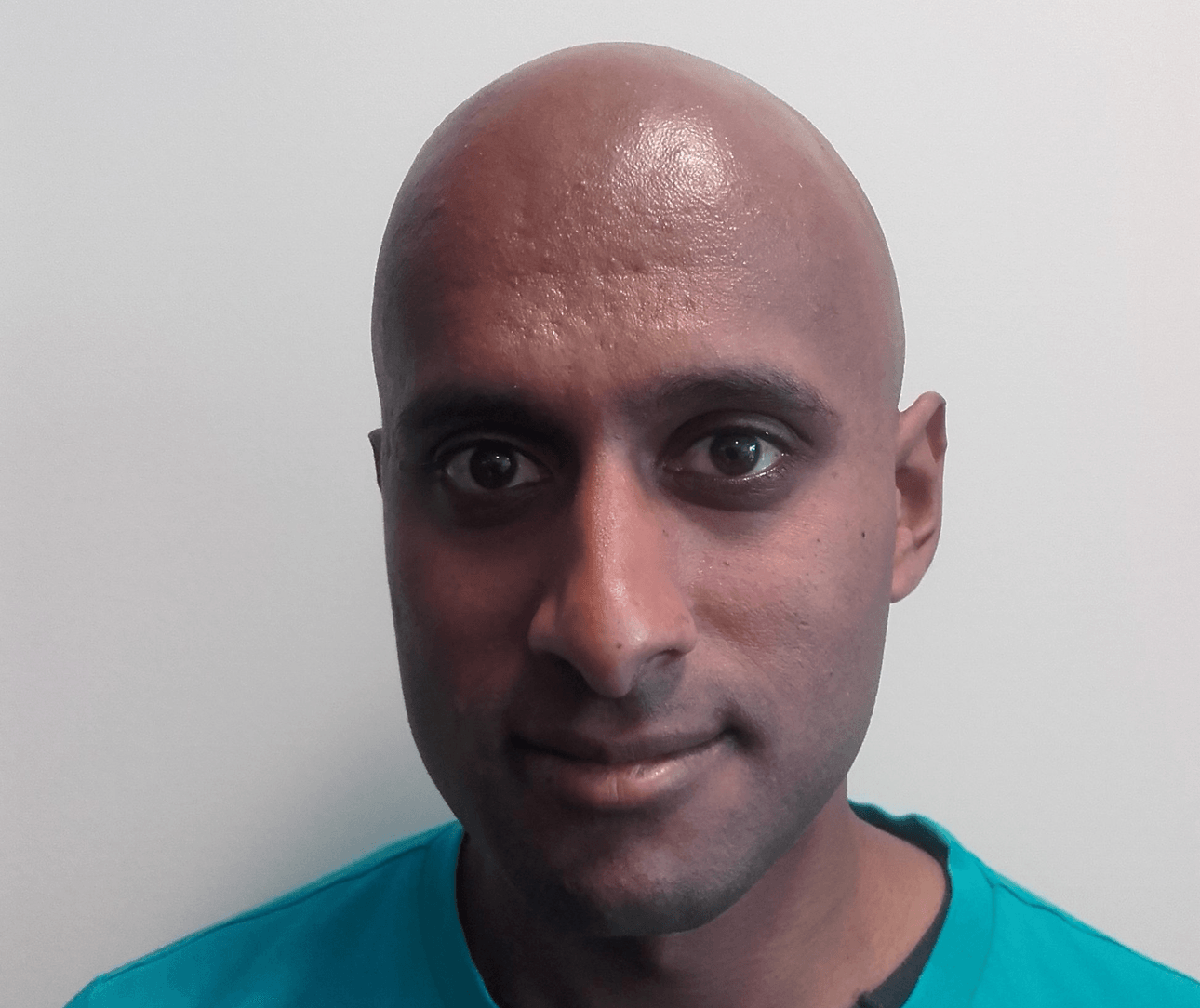
Another key challenge in growing the number of speakers is the diaspora of Moriori people around Aotearoa. There is no high school on Rēkohu, meaning most of the children eventually go to the mainland for education. Only around 600 people live on Rēkohu, with many sharing mixed Moriori and Māori heritage. However, interim chief executive of Hokotehi Moriori Trust Levi Lanauze sees that movement as an opportunity to raise awareness of Moriori culture and language around the country: “If we create little wee Moriori champions, and then they disperse for secondary education. They will share the knowledge within the schools they go to.”
With a membership of over 1,200 people, the Trust has also begun utilising technology to connect with members throughout the world. “You might be the only Moriori in the whole district. Being able to converse via technology and having online wānanga helps people grow their knowledge base, but also keep that connection,” says Lanauze.
Despite the geographical challenges and having to educate people about their history, Moriori are now beginning to not only reclaim their narrative, but their language too.
Ta rē Moriori is a language unique to the Moriori people and Rēkohu – Chatham Islands. According to ta rē Moriori champion Maui Solomon, 70% of our surviving rē Moriori differs from te reo Māori – part of the reason those behind ta wik’ a ta rē Moriori say the language deserves to have its own week. “It is one of the indigenous languages of our country and so it should have its own language week as well,” Taurima says.
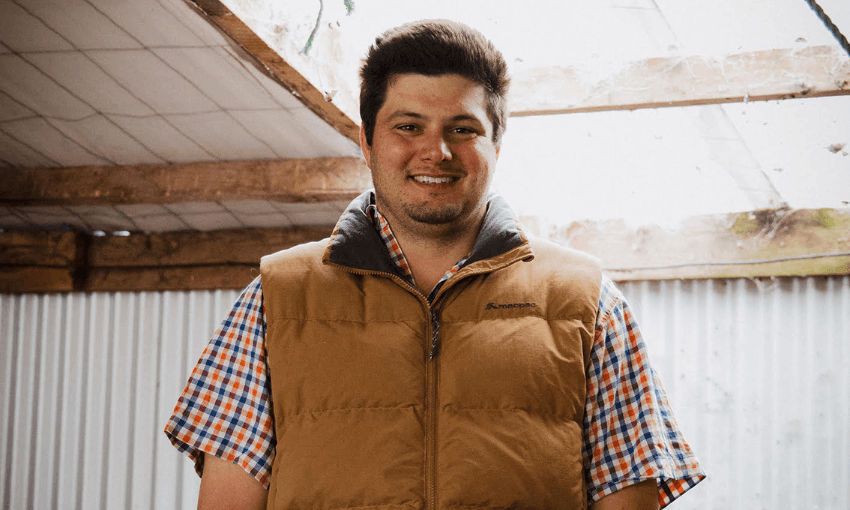
Supported by independent statutory entity Te Mātāwai – responsible for supporting reo Māori language revitalisation – the organisers have planned for several activities to take place on both Rēkohu and throughout Aotearoa over the week. On island, three schools – around 80 students in total – will be gathering together for their sports week with a number of ancillary activities based around ta rē taking place.
There will be ta rē based bingo, rongo and karakī practices, teaching of Moriori pepeha and a celebratory shared kai at Kopinga Marae to conclude the week-long festivities. Online, resources will be shared and merchandise will be available and there will be gatherings held in Auckland, Wellington and Christchurch.
While Lanauze admits this week’s celebrations are somewhat conservative, the hope is it will continue to grow into an event celebrated around the country.
“The ultimate goal is to have our people return and plant their roots here on the island, but just for them to be proud about their Moriori culture and share it with the world and each other – that’s the goal.”