What Rātana means to a child of the church

The main temple at Rātana Pā (Photo: Maia Te Hira)
Raised mōrehu, lawyer Maia Te Hira reflects on Te Haahi Rātana as lived faith – its legacy of healing and politics, and why it still matters in a changing Māori world.
Kia whai hōnore, hareruia ki a Ihoa o Ngā Mano. Tūāuriuri, whāioio, kī tonu te rangi me te whenua i te nui o tōna korōriatanga. Ko te māngai anō hei tautoko mai, aianei, ake nei, āe.
Most mōrehu ( followers of Te Haahi Rātana) I know utter these kupu whakamoemiti before they say something to an audience.
Growing up deeply immersed in the mōrehu culture and community – borne from the māramatanga founded by the healer, prophet and campaigner Tahu Pōtiki Wiremu Rātana in 1918 – has been culturally enriching, intellectually challenging and spiritually uplifting. Being mōrehu has added another layer to my identity as Māori, forced me to try to deconstruct a theology that confused me, provided a safe space away from the noise of the world, and made me more politically astute.
For six generations of my whānau, Te Haahi Rātana has been a constant source of faith and the bedrock of the taha wairua in our whare tapa whā. My parents met at Te Ōmeka Pā near Matamata, my maternal grandparents established and ran their own pāriha, and the union of my paternal grandparents was a tomo – a traditional Māori betrothal organised because their parents were leaders of the ministry and expected their children to inherit these roles. If it wasn’t for the relationships formed through the haahi, I wouldn’t be here.
How we came to identify as mōrehu is a common story shared by many others in the movement. By the 1920s, Māori communities across the country were suffering from the devastation caused by Crown land confiscations, the outbreak of the first world war and the deadly influenza pandemic. Many of our tīpuna were in search of hope and healing – mine found it in the prophecies and teachings of Rātana. He visited their rural kāinga in places like Te Hāpua, Wairoa and Whakaoriori, performing what my nan called “miracles”. Six generations of my whānau have been āpōtoro (apostles), āwhina (sisters of mercy), rōpū raupō (psalmists), played in various reo (brass bands) and remained staunch mōrehu, committed to serving a kaupapa that tied us to people, prophecy and politics in a sincere Māori way.
The coming of Rātana was prophesied by other Māori prophets before him. Mere Rikiriki, Hipa Te Maiharoa, Kīngi Tāwhiao and my own tīpuna Paora Pōtangaroa are all said to have foreseen the coming of Rātana and what his leadership could mean for Māori.
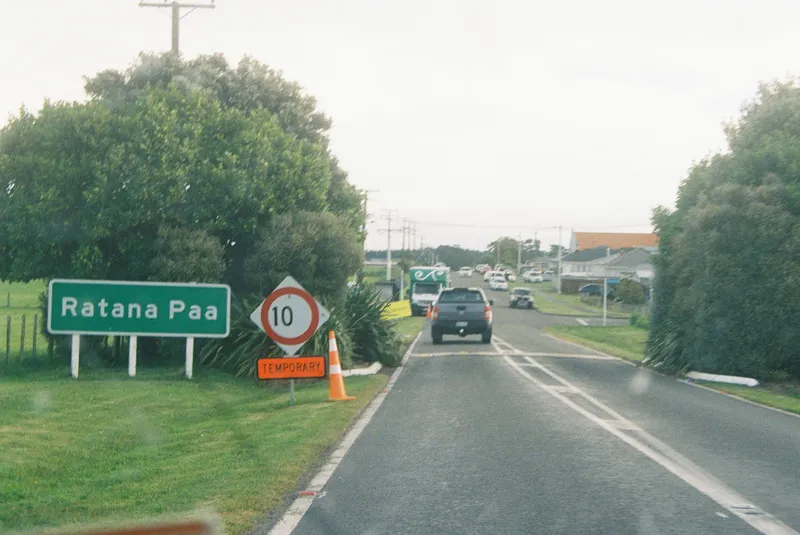
A physical reminder of that leadership is Rātana Pa – a pan-tribal and Tiriti-conscious settlement that sits on the customary whenua of Ngā Wairiki Ngāti Apa, 20km south of Whanganui. It serves as the mecca of Te Haahi Rātana and comes alive during significant annual events, like the November 8 anniversary of the Haahi’s founding, the Hui Whakapūmau (synod) that takes place over Easter, and the January 25 celebrations, where mōrehu from across Aotearoa gather for festivities to mark the founder’s birthday. This event is mostly recognised by those outside the church as the unofficial start of the political calendar and a platform for politicians vying for Māori votes. The tradition has been ongoing since the Rātana-Labour alliance was formed in 1936 between Rātana and Michael Joseph Savage.
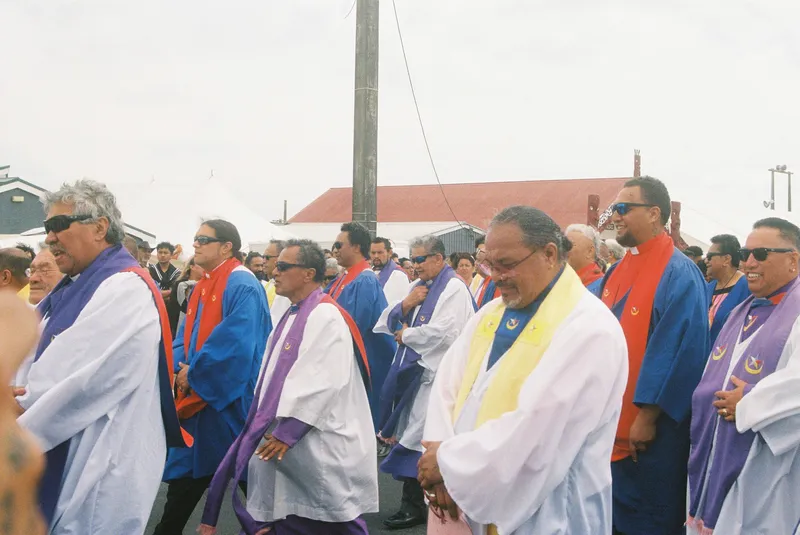
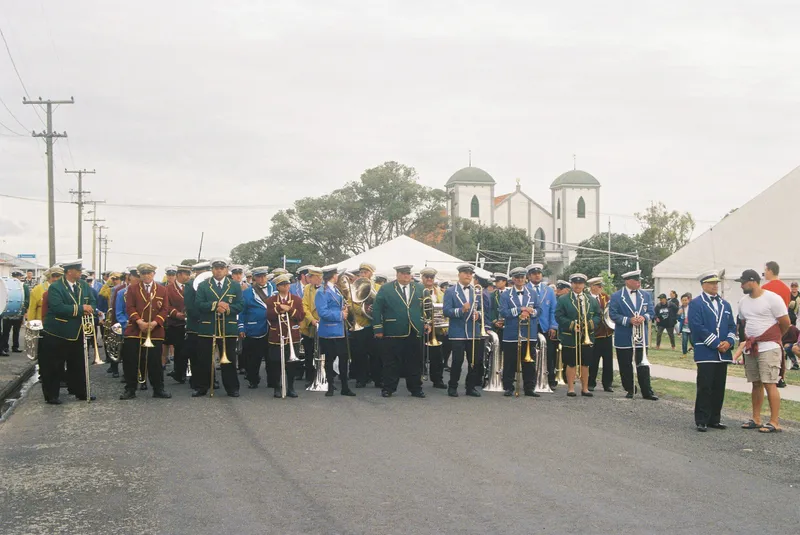
For me, Rātana Pā is nostalgic. When eating in Kii Koopu, or waking up in Rangimārie, I often feel like I’ve entered a time machine and teleported back to a bygone era. Growing up mōrehu instilled me with a sense of pride on seeing the colourful kākahu worn by members of the brass bands and clergy. It means I bop when I hear the sound of Rātana March being played en route to an 11am whakamoemiti in the temple, and my repertoire of slow hymns is vast.
It also challenged my logical reasoning and made me think critically about the faith. I’ve had many wānanga about the place of religion in te ao Māori, the role of Christianity in the colonisation of Aotearoa and the relevance of haahi in a post-settlement era where iwi and hapū are the dominant entities that most Māori affiliate with. Who we pray to and why, how we whakapiki wairua, and who we go to when we need to find oranga are all questions that have arisen in these kōrero.
The reclamation of te reo Māori and tikanga Māori has led to a re-emergence of karakia Māori, especially for those embedded in Māoritanga and regularly attending kaupapa Māori. Nowadays it’s common to opt for karakia that acknowledge atua Māori instead of Ihu Karaiti, the Matua, Tama, Wairua Tapu and other idols derived from Christian theology. A generational shift is taking place: īnoi and whakawhetai were commonly used when I was at kōhanga and kura kaupapa, whereas my tamariki now come home reciting takutaku and karakia.
Neither is more correct, and I’m glad there is flexibility and diversity among our people’s philosophies. In an age when church attendance is diminishing but healing and hope are needed more than ever, I think of the work of our haahi – whether Rātana, Ringatū, Pai Mārire, Mihinare, or another – and have faith that something more is coming.
Aia nei, ake nei, āe.

Maia Te Hira
Maia Te Hira descends from the tribes of Muriwhenua and Wairarapa. She is a Māmā of 3, a manu pīrere of Kōhanga Reo, a raukura of Kura Kaupapa Māori Aho Matua, and an ika-a Whiro of Whare Wānanga Māori. She keeps busy as a Māori rights lawyer, legal educator, in iwi govenance, pursuing creative endeavors, and as a Kōhanga/Kura parent. She’s passionate about kaupapa Māori, equity in the law and creating the Aotearoa that her tīpuna envisaged when they signed He Whakaputanga and Te Tiriti o Waitangi.


