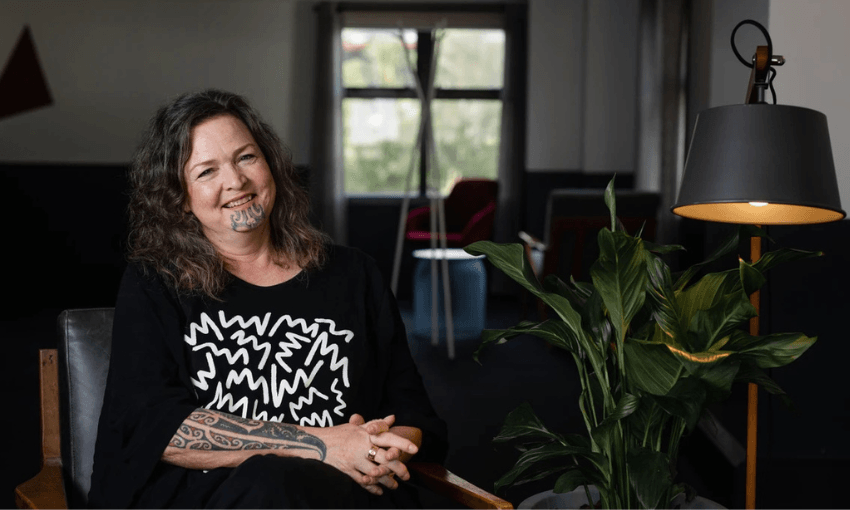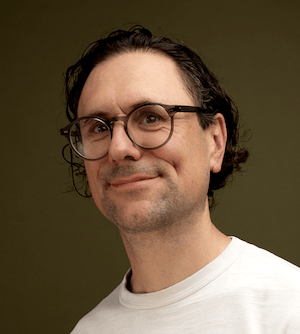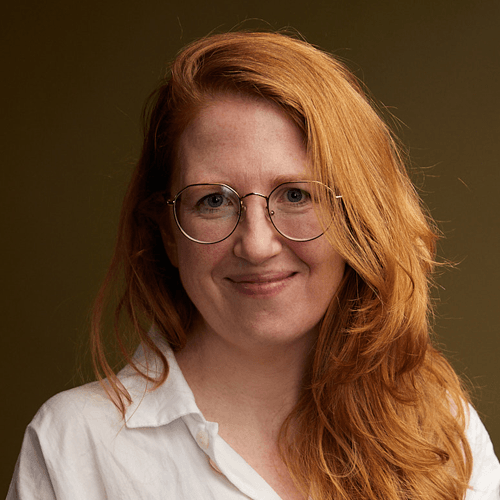



Welcome to The Spinoff Books Confessional, in which we get to know the reading habits of Aotearoa writers, and guests. This week: author of Out of the Box: 25 Deaf & Disabled Artists, Activists & Adventurers From Aotearoa NZ, Trish Harris.
The book I wish I’d written
Dream Work by Mary Oliver. It’s a collection of 45 poems and it often sits on my bedside table. A poem before sleep helps settle the day’s thoughts. Her poems are clear and crisp, and deep, and I love them for their earthiness, their spirituality and their provocations. I read a book of her essays a few years ago and it made me realise her connection to nature is at a whole different level – like she’s of nature.
The book everyone should read
Everyone should read Becoming a Person – The Biography of Robert Martin by John McRae because his story provides unique insights into what it was like to grow up in institutions in the 1950s, 60s, and 70s in Aotearoa. It is a tough story to read, but there is also humour and celebration. It also gives context to the Abuse in Care Inquiry’s findings. I always knew that Sir Robert Martin needed to be featured in Out of the Box because his contribution in advocating for and representing other people with learning disabilities is still not widely known in this country – even though he’s well-known overseas. I’d hoped to get to meet him, but sadly he died while I was still writing his profile for the book.
The book I want to be buried with
I’m trusting my unconscious with this choice. After having no clue what my answer would be, it came up with a favourite picture book of mine: “Slowly, Slowly, Slowly,” Said the Sloth by Eric Carle. The book could rest on my chest and slowly, slowly, slowly it and I could decompose – leaving bones and titanium. “Slow” is my favourite speed, not just for walking, but for completing any task – including writing a book! I definitely don’t see myself as slothful and it turns out neither does the Sloth, despite what his rainforest mates might think. Sloth accepts his pace of living and in the disability world we also have a phrase for that: Crip Time.

The first book I remember reading by myself
The Donkey’s Egg, book number three in the Ready to Read series. I was at school, maybe five or six years old – definitely at the age where your finger is sliding along underneath the text, keeping track of words. The great thing about this story was the joke in it – spoiler alert, the donkey’s egg was actually a pumpkin. Great five-year-old humour! Anyone who recognises the other books in the series probably learnt to read in the 1960s and 70s as well: Hungry Lambs, Boat Day, Sweet Porridge, The Stars in the Sky and Sliding & Falling.
Fiction or non-fiction?
I feel like I should say non-fiction, because that’s what I’ve just written. But I like reading fiction and do read more of it than non-fiction. Fiction writers aren’t constricted, they’re creating the plot, throwing things at the characters and making them respond – sometimes to dire situations. I like losing myself in the world of the story. A book I read recently that did that for me is Time of the Child by Niall Williams.
The book that made me laugh
Gridlock by Ben Elton. This is a rollicking satirical adventure – an oldie but a goodie. I loved the way Ben Elton wrote about disability – it’s a masterclass of show not tell. Geoffrey’s impairment is not named until you’re well into the adventure. And there is a standout scene when Deborah, who is a wheelchair user, is interviewed for a job, and the wheelchair slowly grows to take up the whole interview space. It’s a funny, telling and fast-paced read. Might be time to read it again.
If I could only read three books for the rest of my life they would be
Philip Pullman’s His Dark Materials trilogy squashed into one volume so they count as one book; Michael Leunig’s The Curly Pyjama Letters; and Dance Me to the End of Love, a picture book of Leonard Cohen’s song paired with Matisse’s artwork.
Encounter with an author
I grew up in Plimmerton, not far from Hongoeka Bay where Patricia Grace lived. When I read Potiki, I could see that coastline, I knew it. In my 20s I lived in Melbourne for a year and one day when I was feeling homesick, I saw that Patricia Grace was a visiting speaker at their writers’ festival. I went, and braved going up to her afterwards and introducing myself as a fellow Plimmertonian. We talked about our love of that coastline.

Best place to read
Sitting on the couch, or my blue chair, when the sun is inching across it, book-seat (like an upright bean bag for books) with a book nestled in it so reading can be hands-free, and a hot drink and snack nearby. Mainly I read at night before sleep so daytime reading is my idea of luxury, especially when I break the “only one more chapter and then get back to work” rule.
What I’m reading right now
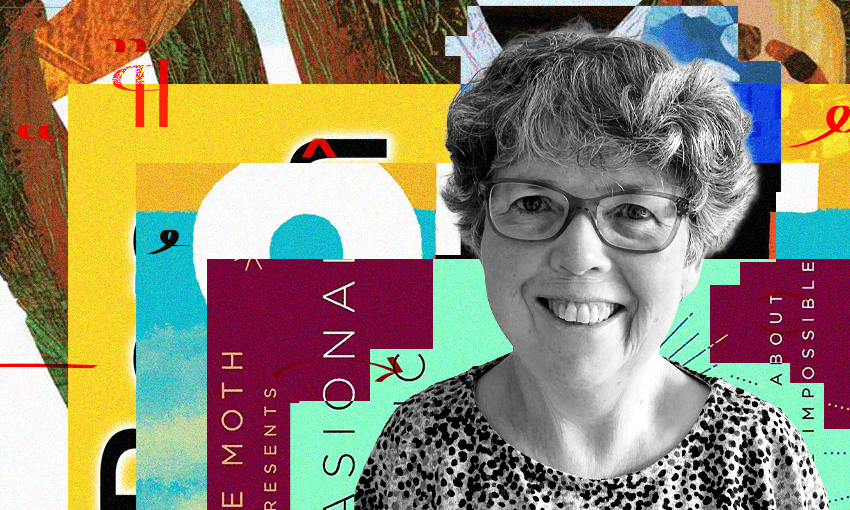
Occasional Magic produced by The Moth, a nonprofit that sends people out in front of an audience to tell their true stories. It’s a book of 50 stories and there’s one that I particularly enjoyed called ‘Honku’ about Aaron who, after pelting eggs at car horn honking drivers in the street outside his apartment, decided he needed to find a non-aggressive way to handle the frustration, and settled on just observing the honking, boiling those observations down into pithy haiku – which he called honku – and then pasting them in the middle of the night onto lamp posts round the neighbourhood. Haiku – or rather honku – as a political act!
Out of the Box by Trish Harris ($45, Otago University Press) is available to purchase at Unity Books.