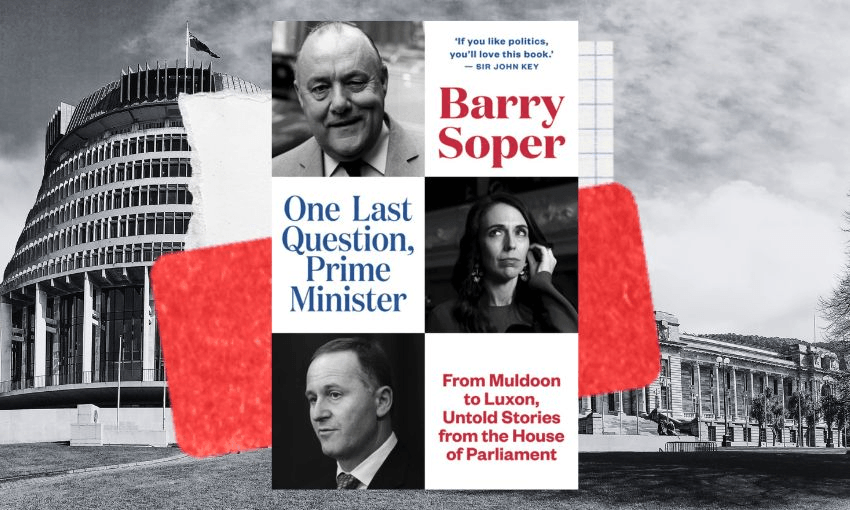



Lyric Waiwiri-Smith reads Barry Soper’s epic account of five decades working in parliament, and compares his press gallery with hers.
Being in parliament in the year 2026, you see the portraits of leaders since passed and wonder, if these walls could talk… Sometimes, especially lately, it’s accompanied by the feeling you’ve come into the halls of power at the end. The best is over.
You missed out on the days of betting and billiards when the grand hall was a private members’ lounge. You missed the days before the 24-hour news cycle, when you filed reports via mutterbox or fax and no one had a cellphone. You missed the golden age of larger-than-life prime ministers like Muldoon and Lange, and Clark and Key. And now you’re stuck with the dregs.
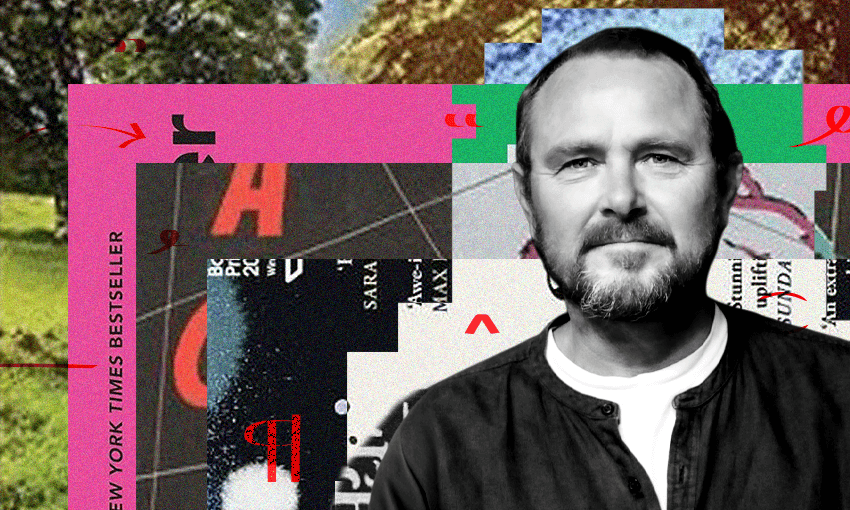
At least, that’s how you’d feel having read One Last Question, Prime Minister from veteran broadcaster and press gallery reporter Barry Soper. The part-memoir, part-political history retraces the five decades Soper spent working in parliament’s press gallery, chaptered by the 12 prime ministers who ruled the roost throughout his working career. From Robert Muldoon to Christopher Luxon, no one is spared from Soper’s honest thoughts or the insider gossip he’s collected on them – though one particular Labour leader cops far more flak than most.
For the political tragics, there’s plenty of insider tea between the pages. Like the time Soper’s car almost collided with Muldoon’s on the parliament forecourt because the former prime minister was slumped drunk against the wheel. Or the time Soper talked Mike Moore’s wife out of ditching her husband on a trip to London following a marital spat. Or the moment Jim Bolger told him, “fuck you”, and Soper replied, “no, fuck you”. Or when Chris Hipkins asked Soper what it’s like to try cocaine.
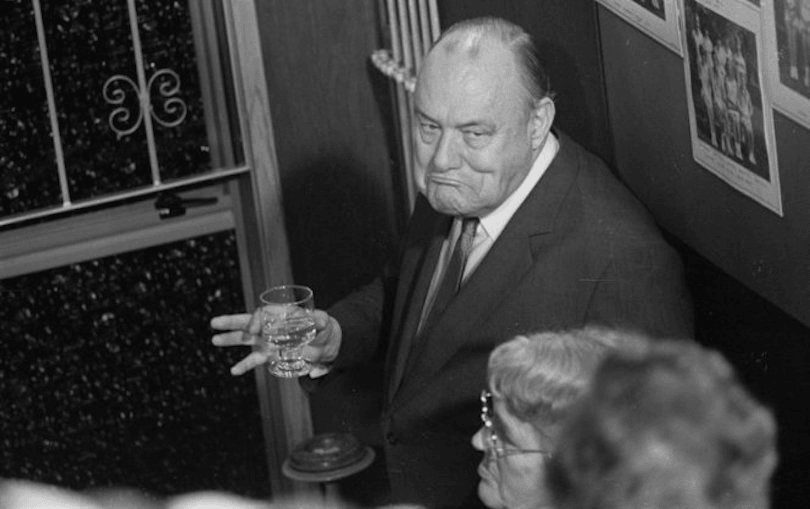
It’s not all scandalous. What you’ll appreciate most about Soper’s memories of our prime ministers is how his proximity to them allows an insight into their human side. Soper’s tone can be glowing and pitying, appreciative yet honest, wholesome but not fulsome. There are many imperfect characters in our political history but you come away with the sense that these were people trying to do their best with no guidebook on how to be the perfect prime minister.
It’s a marathon of 50 years of political history, yet Soper’s recounting doesn’t feel breathless (if anything, he has a habit of repeating himself). It’s one of those books you can finish in a few days (as I did) because you can never guess what’s going to be on the next page. What stuck with me for much longer, though, is how the press gallery Soper entered in 1980 is poles apart from the one I joined in 2025.
There are the obvious differences, like the technologies we use to spin a yarn, but what’s also changed is how you get your stories. Soper existed in the days when parliamentarians needed journalists to get their party’s talking points out to a public whose only source of news came from the news. Now, politicians can (and do) silo themselves and go to social media instead.
Soper was there when Muldoon still roamed the Earth and gave drunken interviews, and was able, as someone outside the caucus, to tally up the numbers and confidently predict Bill English’s rolling as National leader in 2002. Having just reported on our current prime minister surviving a confidence vote last week, it’s almost impossible to imagine calling up all 48 National MPs, have them honestly tell you whether or not they genuinely backed Luxon, and know his fate before he does.
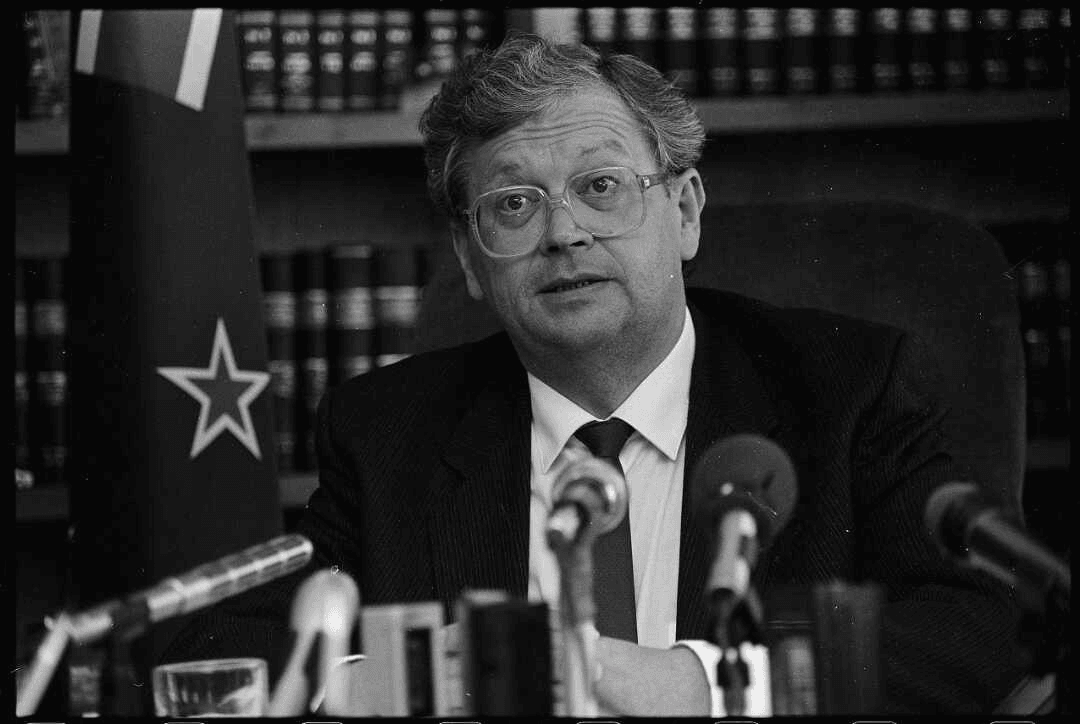
Our MPs’ relationships with the media have changed, and so have they. The biggest difference between the parliamentarians of yesteryear and the ones we have now? Their backgrounds. As Soper notes, he came in at a time when parliament was largely filled by the “RSA generation”. Politicians were unionists, farmers and lawyers, and mostly men. They were drunkards as well, and now many prefer not to sneak in a cheeky drink during the work day.
These are all also good things. Right at the beginning, Soper notes that Rob “Piggy” Muldoon would “turn in his sty in the sky” if he ever saw former Green MP Nándor Tánczos “sweeping across the parliament forecourt with his dreadlocks”. It’s really incredible to read an eye-witness account of just how much our MPs have changed their faces and tacts in the last 50 years. You lose the likes of those real erudite sorts who can wax lyrical in the House until the cows come home, but you gain a wealth of other lived experiences which all make up the mosaic of Aotearoa.
But on that earlier note about proximity and human sides and such. Soper’s ability to not look back in anger wavers when he remembers Jacinda Ardern’s reign. By his own admission, he didn’t have the close relationship with Ardern that he enjoyed with the likes of Key, feeling shunted to the side in favour of TVNZ’s Jessica Mutch-McKay and Newshub’s Tova O’Brien.
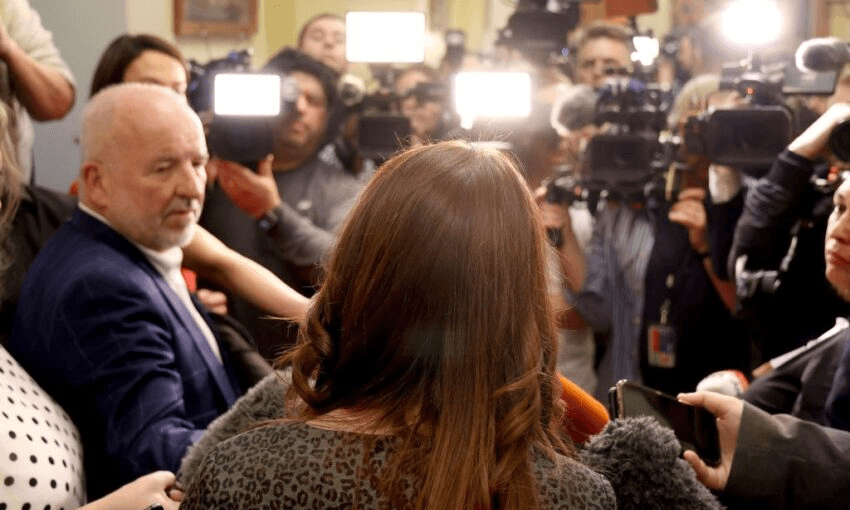
No one would expect Soper to pen a hagiography of Ardern, but it did feel slightly jarring to read nine nicely balanced chapters of leaders gone by, then see that fall short at Ardern and her caucus at large. Some reflections felt slightly spiteful, like his assertion that she “didn’t have the intellectual capacity” to understand what was happening to the economy during the Covid years. Her chapter also illustrates exactly when the government’s relationship with the media changed. Ardern didn’t need Soper to tell her stories.
The sixth Labour government isn’t the only one that cops a bit of shit. The nicest way to describe Soper’s reflections on working across the hallways from former TV3 political editor Duncan Garner is that they were definitely aware of each other. There’s a few spats between the two recounted, including a particularly tense prime minister’s trip to Afghanistan in 2010, in which Soper endured “almost violent” retaliation from Garner over a shared camera.
“He told me where I could stick the sharing of the camera … It was a classic bullying, really aggressive behaviour, and it affected me really badly,” Soper wrote. Meanwhile, Garner and Guyon Espiner (there on the trip as TVNZ’s political editor) had gotten along so well they were sharing details of their stories with each other. Soper writes that the whole experience left him thinking he should move on from the media: “[Garner] did a lot of damage to me and the way I felt about not only myself but journalism as well.”
In an interview with Mike Hosking last week, Soper noted that the biggest change in the gallery since he first entered it in 1980 is the age and gender of the reporters working there. What used to be a white male-dominated workspace, which welcomed its first female member in 1964 and first Māori member in the 1970s, now boasts a healthy chunk of young women (and men) in their early- to mid-20s. I’m one of them.
How times have changed. I would have loved to shoot the shit both figuratively and literally over beers and billiards with a bunch of drunken ministers. But while I can’t quite quit the feeling I’ve missed out on parliament’s golden age, I think I prefer working in a building where the people who serve the electorate actually look like the people in the electorate. Even if playing the role of journalist means being held at a distance and competing with social media.
Should you read One Last Question, Prime Minister? I couldn’t get enough of it. If there’s anyone who breathed in those hazy glory days of parliament, coughed out the tar and lived to tell the tale over the airwaves (and now, the pages of a novel), it’s Barry Soper.