Want cheaper butter? Get on board with the vegan agenda

Image: The Spinoff
Even if you’re not ready to cut animal products out of your own diet, you can help by encouraging others – because lower demand means lower prices.
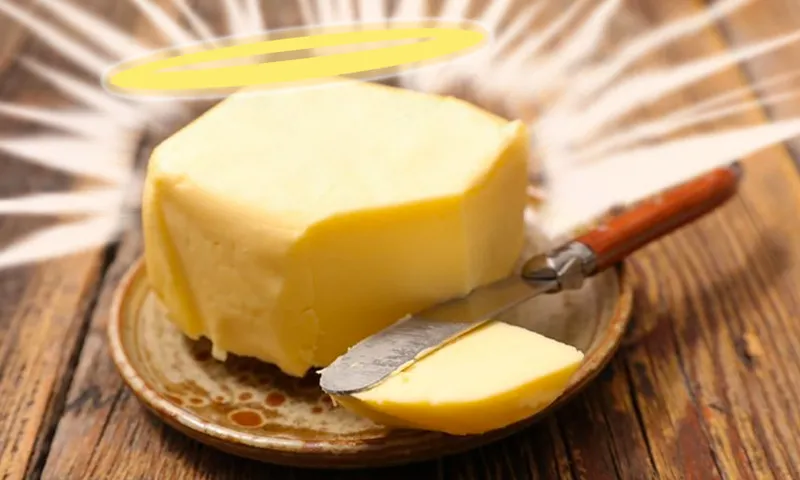
With butter nearing $20 per kilogram, New Zealanders are wondering what might be done. Nicola Willis has proposed breaking up the supermarket duopoly. That would offer some relief, but it fails to address the root cause: global demand for dairy. Willis has rightly recognised that the New Zealand government has little control over global trends. But there is something simple each of us can do to improve the situation, even if only in a small way.
We need to get on board with the vegan agenda.
Don’t worry: I’m not suggesting you adopt a vegan diet. On a personal level, the case is not always compelling. Vegans’ grocery bills may be lower. Their diets healthier – although all diets incur micro-nutrient trade-offs. Vegans may even be slightly happier than average. However, veganism can be a tender topic, especially when making dinner plans with omnivores. If you’re struggling to make ends meet, passing up the venison mince at the local foodbank can be a real sacrifice. Realistically, veganism’s main selling point is alignment between values and actions. If your values align with animal exploitation and waterway pollution, then veganism may not be your cup of nutritional yeast.
But the more vegans there are, the better for everyone else. Think about it: would you rather share a plate of filet mignon and black pepper tofu with a vegan or an omnivore? Unless you’re concerned about your share of the tofu, then you should stake your bets on a vegan.
Of course, sharing a plate is different from sharing the global food system. Instead of changing the demand (who we are sharing with) we can change supply (what is on the plate). If we increase the supply of dairy, prices will fall.
Such reasoning may get an A in economics 101, where the only difference between dairy and computer software is the label in the spreadsheet. But increasing dairy production has real implications for land use. We badly need space for the Amazon rainforest, for peatlands, for indigenous New Zealand rewilding. A global expansion of dairy production is not feasible. It might lower prices in the very short term. But, last I checked, current technology has not yet solved the problem of milking a cow during a wildfire or flood.
Of course, the relationship between supply and demand is also more complex than the textbook formula that lower demand leads to lower prices. However, it holds as a general principle. If you want to enjoy affordable butter, a good way is to reduce demand for dairy.
A drop in global dairy demand would be bad news for the New Zealand dairy industry. This is a familiar problem in environmental policy. People are much more willing to pay for products such as butter than for environmentally helpful practices such as rewilding. The only viable solution is to create a funding mechanism to compensate farmers for greener pastures. If the price of butter fell to $10 per kg, but consumers paid $5 into a rewilding fund, this could be a win-win for farmers and butter eaters. Reducing consumption frees up money to invest in our environment.
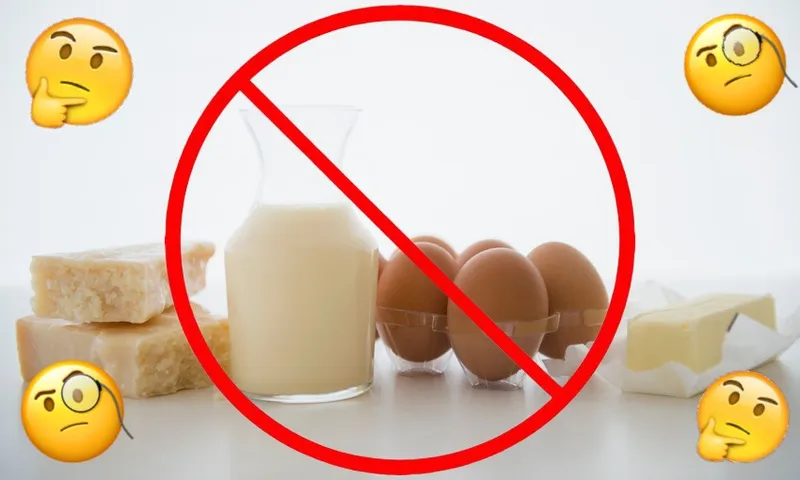
You should, then, throw yourself whole-heartedly behind the vegan agenda. You can’t personally make much of an impact at a global scale. But social movements happen when large numbers of people make small changes.
When a friend tells you they want to be vegan, do not roll your eyes and flood them with misinformation about nutrition. Instead, thank them for their service. Cook them a vegan meal. It can be as simple as vegetable pasta. You can help yourself to a double portion of parmesan if you like. Your guest is not having any.
One major obstacle for veganism is the bizarre perception that it is effeminate. Even though it’s 2025, this turns people off. Help us undo this by talking about vegan alpha males such as Alec Baldwin (wait, maybe not the best example?) and Joaquin Phoenix. Introduce them to vegan athletes such as TJ Perenara and Lewis Hamilton. Emphasise the “masculine side” of veganism: the inner resolve, the power of reason over the smell of bacon, the capacity to tear the head off a raw broccoli with one’s canines.
And above all, annoy your friends with the case for veganism. Reductions in animal cruelty, space for wilderness, and the continued survival of humanity are pretty persuasive. You might just convert some of them. The high price of butter is a sign that we are running out of space. We need all the vegans we can get.
David Merry
David Merry is a specimen of Singapore's resident Kiwi population. He has been observed teaching philosophy and writing at a university whose views his writings in no way represent.


