Race briefing: A bumpy road ahead for the next crop of Otago Regional councillors

If some of the candidates had their way, the Dunedin Railway Station would once again host regional passenger rail (Image: Shanti Mathias)
In the first instalment of The Spinoff’s Race Briefings for the 2025 local elections, Shanti Mathias takes a tour through the issues at stake and the candidates running for Otago Regional Council.
Why is Otago the best place in the world?
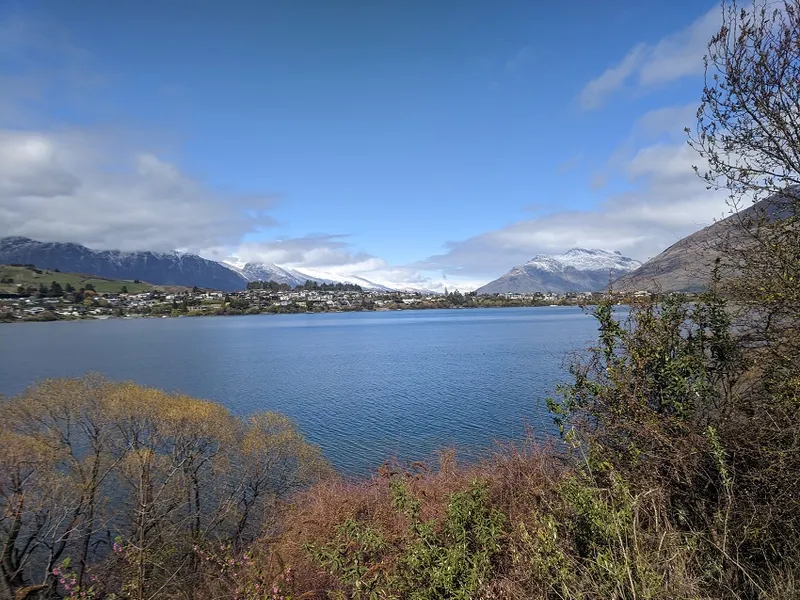
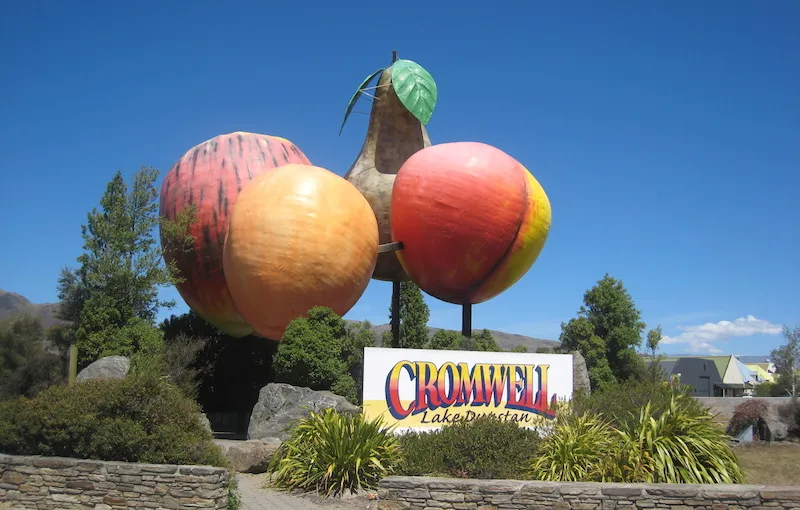
Otago has big mountains in the tourist hubs of Queenstown and Wānaka, and the small but mighty city of Dunedin on the coast. Everyone knows about Otago University but not enough people talk about how Dunedin has extremely glorious white sand beaches which humans occasionally have to share with elephant seals. Central Otago is stonefruit heaven in summer, there are lots of cool cycle routes and the incredible fossil site of Foulden Maar near Middlemarch. Oh, and for the transport nerds: there’s a one-lane bridge used by trains and cars.
What is the contest?
Otago Regional Council (ORC) is one of Aotearoa’s 11 regional councils, which primarily manage natural resources. ORC is in charge of public transport services throughout the large region, freshwater management, flood mitigation and monitoring and reducing pollution. The area includes the Clutha, Waitaki and Taieri rivers and major lakes of Wakatipu and Wānaka. ORC has been a crucial piece of the South Dunedin Futures programme to protect the Dunedin area from sea level rise, and manages seven flood protection zones through the area, including pumping stations and floodbanks. With big areas of land dedicated to high-value crops like fruit and vineyards, water management is crucial; much of the farming in the area relies on irrigation. It has some responsibilities for Otago’s marine areas, too.
Twenty-three candidates are running for 12 seats in four constituencies; two seats in Moeraki north of Dunedin, two seats in Molyneux south of Dunedin, four seats in Dunstan around Queenstown (that’s one more than in 2022), Cromwell and Alexandra, and five seats in Dunedin (that’s one fewer than in 2022).
Who is in the race?
Alexa Forbes (Dunstan) and Bryan Scott (Dunedin) are the only current councillors not standing again. Everyone else is touting their experience around the table and strong relationships with constituents as a reason to give them another shot.
Some candidates have been on the circuit for a while, like former MP, Napier councillor and mayor of Whanganui Michael Laws, who was elected onto ORC in the Dunstan constituency in 2016 and has been critical of some of the council’s decisions to push its freshwater plans despite government opposition. Kate Wilson, currently a Molyneux councillor dealing with some hoarding headaches, was a Dunedin City Council member for 12 years before moving into regional governance. Carmen Hope, a farmer and celebrant, was an ORC councillor for six years, but didn’t get re-elected in 2022. She’s running again in Molyneux.
Elliot Weir, 24, was the youngest member of the council in the 2022-2025 term and is still comfortably the youngest candidate – the majority of others are over the age of 50. Weir is an advocate for public transport and keeping water clean and swimmable. Other Dunedin candidates include ORC chair Gretchen Robertson, who describes ORC’s core responsibilities as “flood control and public transport”. Tim Mepham advocates for using a mix of targeted rates and debt to fund flood control infrastructure, Alex King wants the council to put more money into protecting flood-prone South Dunedin; Philip Glassey thinks council could consider raising money from alternative methods like a bed tax; Chanel Gardner says that more cost-benefit analyses are required for new projects.
Three of the four candidates running for the Molyneux constituency, from the Clutha and Taieri areas south of Dunedin, are farmers, reflecting the strong rural interests in ORC. Current councillor Lloyd McCall says there needs to be a balance between investing in needed infrastructure and not raising rates while Act Local candidate Robbie Byars wants the council to prioritise “core services”.
Five candidates, including Laws, Hope, Dunedin candidate and former councillor Hillary Calvert, Wānaka real estate agent Nicky Rhodes and current Dunstan councillor Gary Kelliher are running under the Vision Otago banner, a ticket that promises to “really” reduce rates and offer “commonsense solutions” to Otago’s big problems, as well as support public transport and pest eradication plan – for all those Otago hillsides full of rabbits. Current councillor Alan Somerville has been endorsed by the Green Party and Byars is running under the Act Local affiliation.
James Cockle, a Dunedin climate activist also known for the time he challenged James Shaw for leadership of the Green Party, is running as an independent candidate with the slogan “the Radical Action Faction”, and Herengā a Nuku (Outdoors Access Commission) adviser Amie Pont is running in Dunstan. She has said if elected she would focus on investing in infrastructure and has submitted against a proposed solar farm in Maniatoto.
Sophia Leon de la Barra, who has previously run for Waitaki District Council and started a language school in Ōamaru, is up against sitting councillor Kevin Malcolm (who is “excited” about the possibilities of RMA reform for Otago) in the Moeraki constituency. Ben Farrell, in Dunstan, wants more value out of the central Otago regional deal. Existing councillor Andrew Noone also wants Otago to develop its resilience. Former Central Otago District councillor Neil Gillespie says that his experience with the RMA will be useful on council. Project manager Matt Hollyer, also running in Dunstan, says that economic and environmental priorities don’t have to be in conflict.
Slime the Nitrate Monster is not running this time.
What is at stake?
With senior government ministers questioning whether they should exist at all, regional councils have been under intense scrutiny recently. Shane Jones has called Otago Regional Council “the Kremlin of the South Island“, and that wasn’t even related to the ongoing tensions over the council’s years-in-the-making freshwater plan. It was expected to be passed in October last year and would have increased environmental freshwater protections in the region, where gold-mining-era regulations have allowed landowners to take unusually high levels of water from rivers. In a controversial move, the day before the meeting when councillors were going to vote on the plan, central government passed an amendment preventing councils from creating new plans until a national policy statement on freshwater had been released. Labour’s Dunedin MP Rachel Brooking labelled it “a specific attack on the Otago Regional Council”, while agriculture minister Todd McClay later described the move as a “decisive intervention to stop the Otago Regional Council from pushing ahead with a freshwater plan that would have imposed unnecessary costs and uncertainty on rural landowners”.
Opinions on the intervention were split in ORC, with Laws saying it was “inevitable”, while Somerville called it “appalling” and Alexa Forbes said it made “a nonsense of any idea that we have local decision-making independence”. Temporary legislation has extended existing water permits until the freshwater policy direction is finalised, and getting a plan everyone is mostly happy with will be a big job for the next council – the “water wars” have in the past come close to bringing down the council.
As it is across much of the country, rates is a big issue for ORC: in an interview series with the Otago Daily Times, multiple candidates have brought up a key statistic: that the area’s rates have doubled in the last six years. It’s what the government is proposing capping, it’s what every Act Local candidate wants to resist and for councils, it’s a big question: how do they counter underinvestment and improve services without overburdening ratepayers? Some candidates also criticised money spent on the new council building in Dunedin, which cost $54m to build and will be completed at the end of this year. It will mean the majority of the council’s staff (other than those in Queenstown and Wānaka) will be on one site, after years of being spread out between buildings.
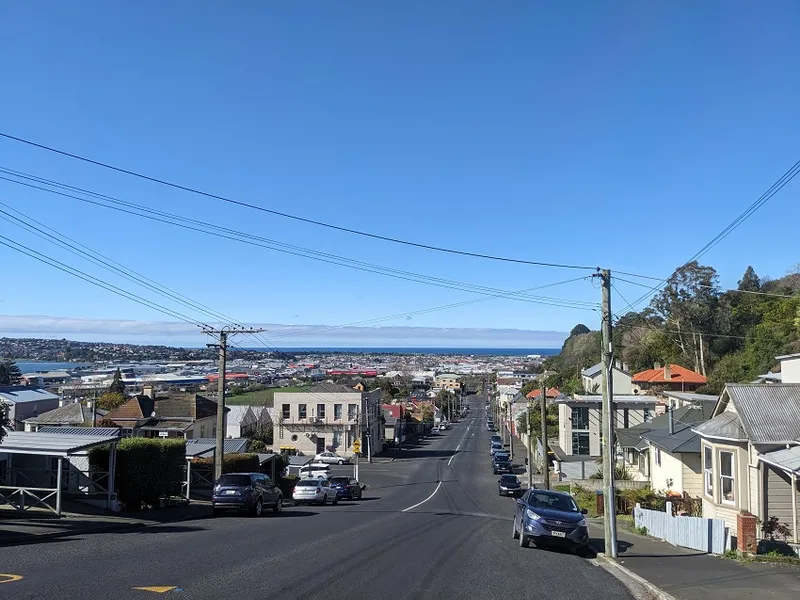
Public transport is also a big issue for many in the region. There’s no passenger rail in Dunedin, despite the imposing edifice of the Dunedin Railway Station (definitely not the most-photographed building in the Southern Hemisphere, despite claims to the contrary). Dunedin and Queenstown have buses and Queenstown has a ferry – but none of the buses go to the Dunedin airport. There is a bus to Palmerston, 63km north of Dunedin, and on-demand buses (essentially a council-run Uber Share) around Mosgiel and East Taieri. Current councillor Mepham wants to re-establish regional rail and de la Barra wants a bus between Dunedin and Ōamaru.
As with everywhere in the country, climate resilience is a major responsibility and mounting cost for the council. As well as the longterm South Dunedin project, ORC tries to reduce flood risk by managing river flows and has flood recovery funding for communities following an event. There’s an adaptation plan for Kinloch and Glenorchy at the top of Lake Wakatipu, with landslides a risk as well as floods. Around Balclutha, high groundwater and coastal erosion are hazards, in addition to flooding from the Clutha river. A drainage scheme is in place in this area.
The race in a sentence
Who’s got what it takes to deal with water woes, rates-rise wrangles and battles with the Beehive?
The nitty-gritty
It’s the first time that Single Transferable Voting will be used in the Otago Regional Council race, meaning voters will be ranking candidates by preference. Voting papers will be sent out between September 9 and 22, and voting closes at midday on October 11, 2025.

Shanti Mathias
Shanti is a contributing writer at The Spinoff with a focus on Christchurch and the South Island. Email her at shanti@thespinoff.co.nz


