The new, lowered methane targets, explained

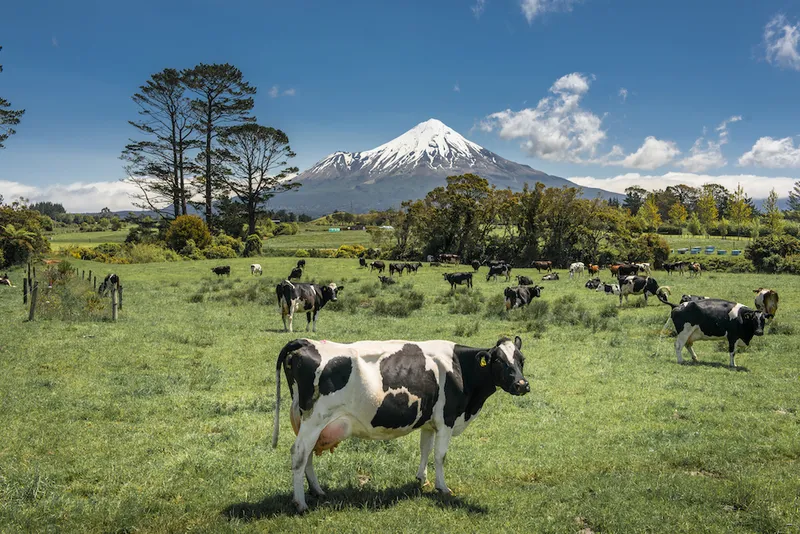
The agriculture industry is the primary source of methane; methane is the primary contributor to New Zealand’s heating (Image: The Spinoff)
The weakened targets are ‘practical and fair’, says the government. What do others think?
What’s all this about methane?
Methane is a gas produced by sheep and cow digestion and manure. In the atmosphere, it’s shorter-lived than carbon dioxide, another greenhouse gas, but it’s much more potent at heating. Methane produced by the agriculture industry accounts for 70% of New Zealand’s contribution to global heating.
On Sunday, the government announced its targets for reducing methane, which is part of its responsibility under global climate legislation the Paris Agreement. The announcement set a target of a 14-24% reduction of methane levels by 2050, with a review in 2040 to compare New Zealand’s methane progress to up-to-date science and the progress of New Zealand’s trading partners. It also ruled out a tax on agricultural methane emissions (following agriculture being exempted from entering the Emissions Trading Scheme last year), and highlighted $400 million in existing funding to industry “to speed up the development and roll-out of methane-cutting tools”.
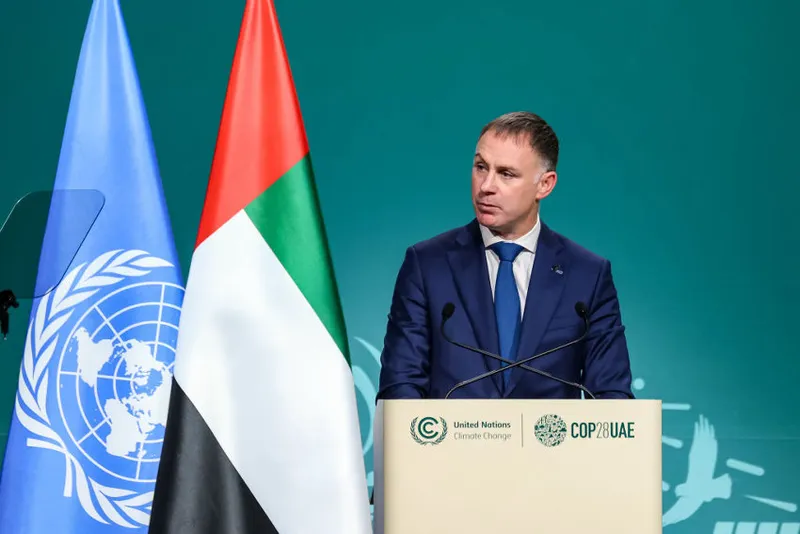
“Our approach is clear: technology and partnership, not taxes, will deliver the reductions that we need, said climate change minister Simon Watts in the press release accompanying the announcement. “By investing in new tools and giving farmers practical support, we can cut emissions without cutting production or profitability.”
In real terms, this is a much weaker version of the targets from 2019, which were passed into law with support from almost all parties including New Zealand First and National. The earlier target was to cut methane by 24-47% by 2050, making the previous floor of the goal now the ceiling.
The changed targets are based on the idea of “no additional warming”. Rather than totally reducing emissions, the goal is now to generate fewer emissions than in a goal year, not making warming worse but not limiting it either. This goes against the advice of the Climate Change Commission, which had recommended that instead of aiming for carbon neutral 2050, New Zealand should be aiming to be “carbon negative”. Scientists at the independent Crown entity, whose statutory role is to advise the government, have found that the “no additional warming” target is not in line with the Paris Agreement’s goal of limited warming to 1.5 degrees Celsius.
Politically, what does this mean?
Writing for Newsroom, journalist Marc Daalder said the announcement “reads almost exactly like a wish list from radical farmer advocacy group Groundswell.”
David Seymour, who voted against the initial goals as Act’s sole MP in 2019, welcomed the newly announced changes. “It makes no sense to drive New Zealand farmers out of business so their competitors overseas can serve the same customers with higher emissions. That’s the definition of a lose-lose,” he told RNZ.
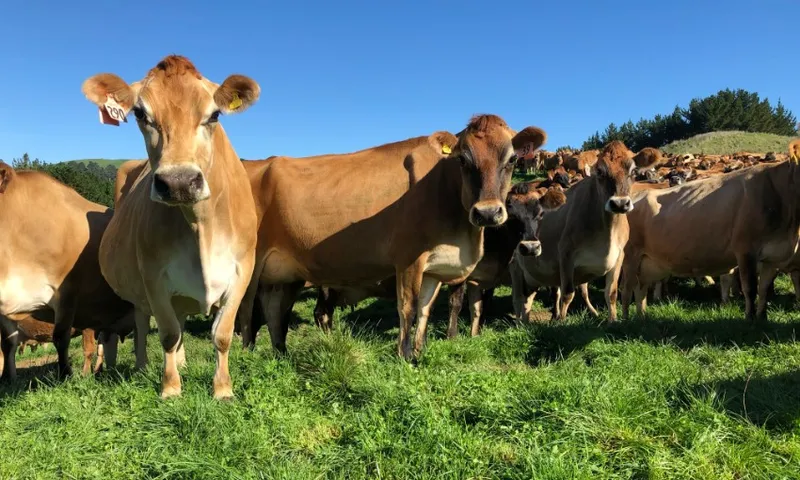
A key argument the agriculture industry has made in support of lower targets is New Zealand’s “agricultural efficiency”. The idea is that New Zealand might be producing a lot of methane from the dairy, mutton and cattle industries, but this is produced more efficiently than in other countries – ie New Zealand farmers can produce the same amount of food as farmers elsewhere while creating less methane. “It makes no sense to shut down production in New Zealand, only to shift it to a country that has less carbon-efficient farming and therefore is driving up global greenhouse gas emissions,” Luxon said in 2024.
The statistic this claim is based on comes from a study where New Zealand estimates for methane production are based on how much of the animal’s body is eaten, which is a different statistic than that used by comparison countries, many of which don’t have reliable numbers for this data. The data doesn’t include deforestation either, which increases the amount of carbon produced per unit of milk. In 2024, dairy exporting co-op Fonterra’s sustainability report said a kilo of New Zealand cheese represented 20% more greenhouse gases than a kilo of cheese produced in Australia.
Todd McClay, the agriculture minister, said the government had worked with the industry to decide on the methane target. Watts said that when it came to 2050 targets, “agriculture will continue to make an important and fair contribution to achieving this reduction”.
Labour and the Green Party criticised the lowered target. “My concern is not so much the emissions themselves, but the political and economic signals it sends; it says that we’re not prepared to do our bit and because of that we could be compromised in terms of our markets,” said Labour climate spokesperson Deborah Russell to RNZ. “This methane denial betrays farmers who are on the front line of climate-driven extreme weather events that threaten global food production and rural livelihoods,” said Green Party co-leader Chlöe Swarbrick.
What do scientists say?
In June, 26 scientists from New Zealand and beyond signed an open letter condemning the review of methane targets the government used to determine this new goal. Using the “no additional warming” target created a “dangerous precedent,” said Drew Shindel, an American professor who chaired the UN Environmental Programmes 2021 global methane assessment, at the time.
In response to Sunday’s announcement, Nathan Melia, a senior research fellow at Victoria University of Wellington, said “24% methane cuts by 2050 is the number consistent with the Paris Agreement’s goal of pursuing 1.5 °C, but that’s the upper end of the range given. That’s the number [the government] should have gone all-in on.”
Laura Revell, an atmospheric scientist who was part of the government’s methane review panel and contributor to the IPCC’s seventh climate change assessment, said that as methane’s warming potential decreases at higher concentrations, New Zealand alone cannot impact heating by cutting methane emissions. “If the rest of the world makes steep cuts to methane emissions, then New Zealand would need to make steeper cuts too to ensure the no additional warming target is met. Periodic reviews of the target seem sensible,” she said.
Christina Hood, a climate and energy policy analyst at Climate Compass, said the weakened target may mark a “dubious first for New Zealand”. “I am not aware of any government that has weakened an existing legislated domestic climate target. New Zealand’s current emissions cause around $20 billion of global climate damages each year – we should be doing whatever we can to reduce that.”
What will farmers gain from the announcement?
The most important part of the announcement for farmers was probably the confirmation that methane pricing will not be used, meaning farmers won’t have the impact of another tax. The previous Labour government had planned to include the agriculture sector in the Emissions Trading Scheme from 2025. “Centre-right governments understand in their bones that if you want less of something, one of the very best tools is to make it more expensive. This decision will almost certainly be revisited by a future Labour government who will want to create a price to drive further emissions reductions,” said Dave Frame, a physics professor at the University of Canterbury who was on the ministerial advisory panel appointed to find a target consistent with “no additional warming”.
What do they stand to lose?
While the targets have been lowered, New Zealand farmers will still need to reduce methane – which means the next 25 years will require different management of effluent and possibly technology like vaccines to reduce how much methane cows and sheep release. This might also mean having fewer cows.
Beyond that, the farming industry is particularly susceptible to climate disruption, as weather pattern shifts require more irrigation or fertiliser, flood controls, and can change where crops are grown. Ralph Sims, a professor of sustainable energy and climate mitigation at Massey, said “the farming industry is likely to be highly impacted by future extreme weather events as a result of climate change. One would think they would support every initiative possible to reduce emissions urgently.”

Shanti Mathias
Shanti is a contributing writer at The Spinoff with a focus on Christchurch and the South Island. Email her at shanti@thespinoff.co.nz


