The pay equity changes push rural services closer to the brink

Photo: Getty Images
The impact of the gutting of pay equity rights was always going to be worse in rural New Zealand, where the loss of one essential worker leaves a major hole, writes People’s Select Committee on Pay Equity member Lynne Pillay.
I have lived most of my life in urban settings, but I did spend my teenage years in a small rural community in the North Island. Those memories don’t leave me. I don’t forget the sense of community, the care for people who provide services, the loyalty that infuses daily life. I remembered all these experiences while listening to the submissions to our People’s Select Committee on Pay Equity from those who live and work in rural New Zealand.
The government has abandoned rural women and the women workers who hold their communities together, stripping away the only pathway they had to fair pay. Rural women warned that the pay equity changes sent a brutal message that these key workers, their communities and their social survival do not matter. The Rural Women New Zealand’s national survey showed overwhelming alarm, with almost three-quarters of respondents deeply concerned about the reforms and fearing for the survival of rural services.
Rural workers advised that the government’s gutting of pay equity was pushing essential services toward collapse, after the coalition’s MPs rammed the Equal Pay Amendment Act through parliament with no scrutiny.
Rural Women New Zealand told the select committee that the law locks rural women out of pay equity altogether, using thresholds so unrealistic they could only have been drafted by people who have never worked in a rural community. Rural workplaces rely on small teams and constant adaptation, with high turnover and shifting staffing patterns. Rural nurse and midwife Michele Fill told us, “In Hauraki and in rural communities, pay equity isn’t an abstract principle. It is about whether our essential services can survive.”
The government’s decision to cancel active pay equity claims mid-process meant years of research, documentation and negotiation were instantly wiped out. Submitters described the decision as bad faith bordering on sabotage.
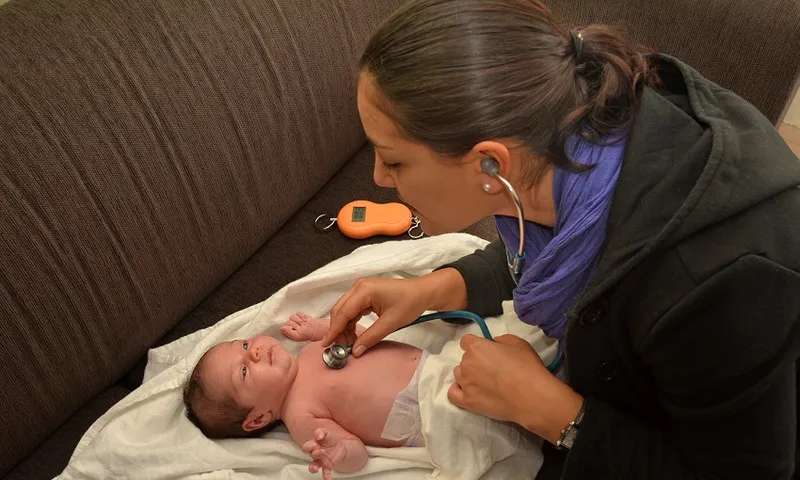
The Midwifery Employee Representation and Advisory Service had a live claim for more than 120 privately employed rural midwives, already assessed as fully comparable to their public sector colleagues. The claim was halted at the negotiation stage. David Munro warned the PSCPE that good midwives will leave, moving into the public sector where they can earn more, and that rural maternity services will not survive the loss. We were told of one regional birthing unit already forced to close, as midwives left to work in the public sector.
The E tū sub women’s committee delivered sharp testimony that the government’s changes were forcing women workers back towards poverty. “We are in the race back to the bottom. We have started to become the working poor again, where we have to scramble to pay rent in an economy where a block of cheese and butter costs more than an hour’s wage.”
Providers across disability and community sectors, including Presbyterian Support Northern, New Zealand Disability Support Network and Platform Charitable Trust, warned the committee that the act would destabilise services that were already fragile. High-needs and 24-hour residential care were among those at greatest risk, they said. The Home and Community Health Association expected worsening shortages across rural primary care and home-based support at a time when both were already stretched to the limit.
Frontline evidence shows a system propped up by workers’ unpaid labour and personal finances. E tū members reported driving hundreds of kilometres each week without adequate mileage compensation, and paying for fuel, tyres, repairs and depreciation out of their own pockets. Many compared this to Department of Conservation and fisheries officers who travel a similar weekly mileage of 500km and receive full reimbursement and work vehicles. Rural workers questioned why essential care workers were being treated as second class.
Business and Professional Women Franklin Branch reported that more workers were seeking financial mentoring because their wages no longer covered basic household costs.
Rural Women New Zealand were concerned that the reforms will drive teachers out of rural communities, stripping small towns of the educators they rely on and making rural placements so unviable that schools already struggling to fill vacancies will be pushed to the brink.
The broader health system is already under intense strain. Rural primary care nurses earn up to a third less than their counterparts in hospitals. Nearly half of general practices report nursing vacancies, and rural areas are hit hardest.

Submitters told the committee that the solutions were neither complicated nor controversial. The system needs to be redesigned so it reflects the realities of rural employment. The pay equity process must be restored so it is fair and accessible. Necessary rural travel for all care workers must be compensated at public sector rates. Funding must be secured for rural maternity, disability support and community services so they can recruit and retain staff.
The government has presented the Equal Pay Amendment Act as a tidy administrative reset. Rural workers say the opposite is true. They describe a demolition job carried out at pace, with consequences that will be felt long after the political headlines move on.
The magnitude of the impact of the loss of pay equity rights was always going to be worse in rural New Zealand, where the loss of one essential worker leaves a major hole. I felt overwhelmed and devastated to hear these submissions, especially about the effects on health and education.
In rural New Zealand, social infrastructure is what keeps community together. It’s bad enough to lose a post office or a petrol pump, a transport operator or the pub. But when the vet can’t recruit nurses, when you lose your midwife, your teachers and teacher aides, your care and support workers, the Plunket nurse, the community nurse and the mobile library, you are stuffed as a community.
Lynne Pillay is a member of the People’s Select Committee on Pay Equity. She served as MP for Waitakere from 2002-2008, and as a list MP for Labour 2008-2011.
The People’s Select Committee on Pay Equity will release its report on February 24.

Lynne Pillay
Lynne Pillay is a member of the People’s Select Committee on Pay Equity. She served as MP for Waitakere from 2002-2008, and as a list MP for Labour from 2008-2011.


