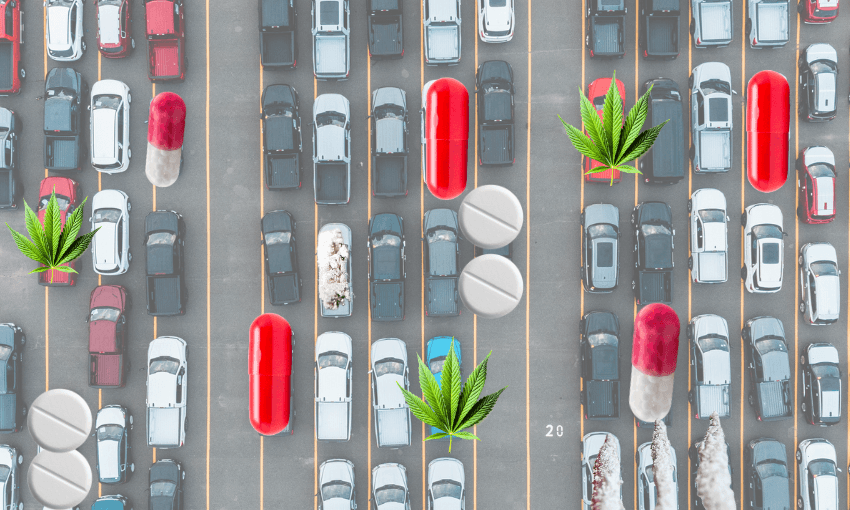

Drivers in Wellington will this month be the first in the country to be pulled over at random for saliva-based drug tests. Here’s why it’s happening, and why some experts are concerned.
This month, roadside drug testing is beginning in Wellington, to be followed by a rollout to the rest of the country next year. The regime was enabled by an amendment to the Land Transport Act, passed in March 2025 with the support of all parties in parliament except the Green Party and Te Pāti Māori.
“Drug-impaired drivers are a menace on New Zealand roads,” said transport minister Chris Bishop, in a press release announcing the start of drug testing. “Rolling out roadside drug testing is a practical step towards safer roads and fewer tragedies.” The target is to conduct 50,000 drug tests a year; for comparison, the target for breath alcohol tests is 3.3 million a year.
Tell me about the practical details – how do they actually test for drugs?
The press release refers to “oral fluid” testing – in other words, spit. Police will take a swab of a driver’s tongue, which will return a quick response; if it’s positive, they will take a bigger saliva sample which will be sent away for lab testing. The four drugs the tongue swab can detect are THC (cannabis), MDMA, methamphetamine and cocaine. The lab test can pick up a wider range of drugs.
The swab results will take about five minutes, and people with negative results will be free to go. It’s not quite as efficient as a breathalyser, but this is partially because different technology is needed to detect a variety of substances. If a driver can’t produce enough saliva, they will be directed to do a blood test instead.
New Zealand isn’t the only country to look into ways to detect illegal drugs in drivers. Similar “drugalysers” have been rolled out in Scotland and parts of Europe.
The drug testing will start this month in the Wellington region, then be rolled out across the country, being available to police nationwide from mid-2026.
What happens if you get a positive result?
If a driver gets a positive result, they will be given another swab test to confirm the positive. Then they will be issued with an infringement notice and prohibited from driving for the next 12 hours. The penalties system works similarly to receiving a charge of driving while drunk; there’s a six-month disqualification for being found with drug impairment while driving, and a nine-month disqualification for driving with alcohol and drugs in your system. Similarly, there’s a higher fine of $400 if you mix multiple substances. If you refuse to take a test, you will also be given an infringement offence and a $400 fine.
How do drugs affect driving?
Alcohol stops people from reacting as fast and may affect coordination as well. But other drugs have different effects; opioids can make you drowsy and inattentive, cocaine or methamphetamine are associated with aggressive or overconfident driving, and cannabis can affect spatial awareness. When these drugs are mixed with each other and alcohol, the results can be a combination of the above – and if you are seriously impaired by a drug, then it’s not a great time to be in control of a two-tonne (or more!) vehicle.
According to NZTA, from 2019-2023, illegal drugs were present in a third of fatal crashes on New Zealand roads – hundreds of deaths. However, this is not perfect causality; a drug can be present in a driver’s blood without being the reason for the crash. For this reason, Fiona Hutton, associate professor in Victoria University’s Institute of Criminology, has said the statistic is “highly misleading”.
Does testing actually reduce the number of people who drive while impaired?
Visible and known breathalyser testing reduces the number of people who drive while drunk, and therefore reduces crashes caused by alcohol. The hope is that drug testing will be similar. There were 328 deaths in crashes involving alcohol in 1986 and 155 in 2023, up from the lowest point of just 76 in 2013. This fall can’t just be attributed to breathalyser testing, however – public awareness and cultural perception of alcohol is also a factor.
NZTA has run multiple awareness campaigns about drug driving, for example. One impact of roadside testing for non-alcohol drugs will be more information about how many people are driving while there are detectable amounts of drugs in their system, since at the moment data is mainly gathered when there are accidents.
Is there any testing for legal drugs which impact driving?
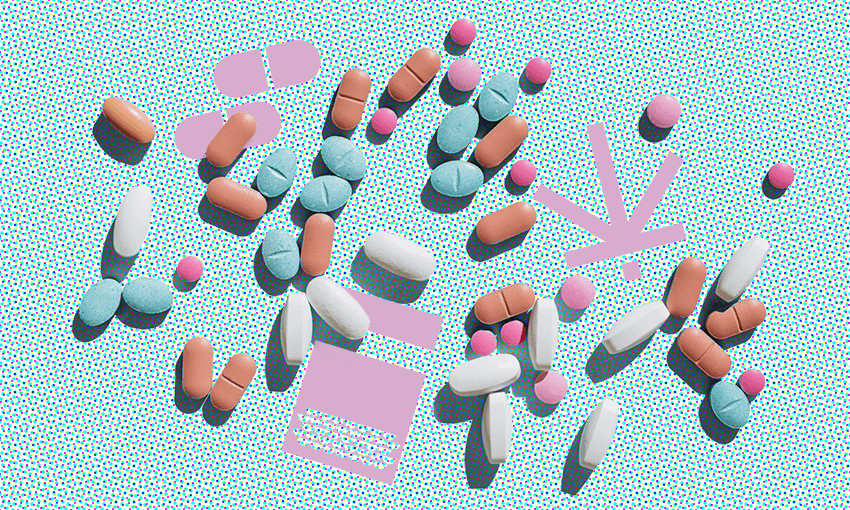
In New Zealand, it’s illegal to drive while impaired by certain medications – even if that medication is fully legal and you have a prescription. Sleeping medicines like zopiclone or pain medication like codeine fall in this category – these were listed in an amendment to the Land Transport Act in 2023. These prescriptions should come with advice from a medical professional about driving while using these substances, and they are listed among the chemicals lab saliva tests will seek to detect.
The law includes a “medical defence”; if you can prove that you were taking a medication in line with how it was prescribed to you, including caveats around driving, you may avoid the fine.
What are the downsides of testing?
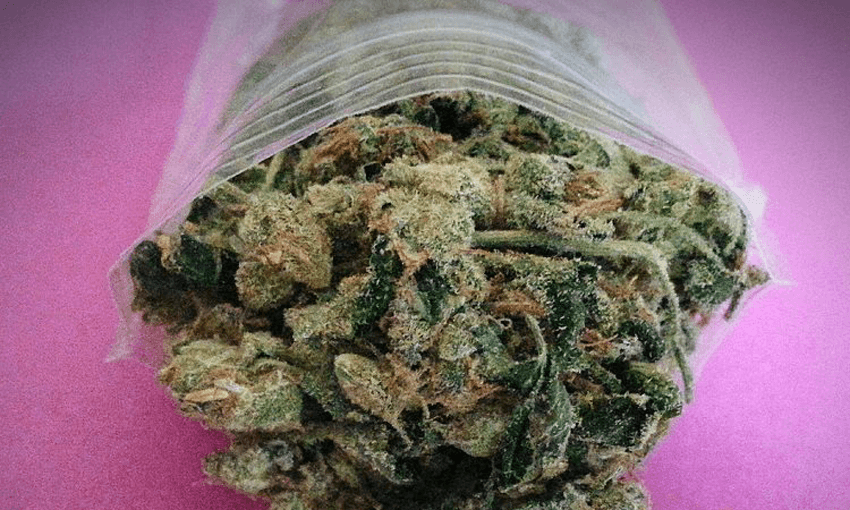
Rose Crossin, a lecturer in public health at Otago University, pointed out that the testing regime can only test for the presence of a drug, not impairment. In comments via the Science Media Centre, she questioned whether “use” of drugs was always associated with harm from drugs. “This is particularly an issue for cannabis (the most commonly used illegal drug in NZ), which stays in the body for longer, and can be detected after any intoxication or impairing effects have passed,” she said.
Methamphetamine and MDMA can be detected up to four days after they were used and cocaine can be detected up to two days after it was used. The presence of THC can be detected up to 72 hours after a person has used the substance, even though impairment only lasts for a few hours.
Waseem Alzaher, CEO of medicinal cannabis company Cannabis Clinic, said he was concerned that the scientific use of THC did not match the drug detection regime. “There’s scientific evidence that many medicinal cannabis patients are not impaired, even immediately after taking it as prescribed,” he said. Similarly, Cannabis Clinic Clinical director William Parkyn said, “The current approach is discriminatory against medicinal cannabis users and only adds further stigma to those using their medication responsibly.” The clinic is advising medical cannabis users to have their prescriptions available when driving.
Other experts have expressed concern about inequitable results of testing. The Law Society’s submission when the law was at select committee considered the impact on Māori and young people, who are more likely to use cannabis. A global literature review of more than 200 research papers showed that young men were most likely to be drug drivers, usually after consuming cannabis. The Law Society concluded that there was a risk the new testing protocol could reinforce systemic or unconscious bias. “People may find themselves unfairly caught up in legal and real world fallout from roadside drug testing,” said Geoff Noller, a research fellow in primary health at the University of Otago.