New Zealand emergency rooms: No place for old men (or women)

Older people are arriving at hospital emergency departments in greater numbers than ever before, compounding the problems of long wait times and poor health outcomes for those who are frail. Is there a better way? Yes, say two New Zealand hospitals. Is the government listening?
At Waikato Hospital’s emergency department on a Tuesday afternoon, a woman is curled in a foetal position across two stiff-backed hospital chairs designed to be durable and easy to clean, but that are uncomfortable if you are in pain. She moans quietly, then louder, holding her stomach as the spasm peaks. She looks like a woman in labour but is far too old to be giving birth. And this is not a delivery suite.
A man in flannelette pyjamas and a bathrobe sits hunched over in a wheelchair. The young woman with him, who may be his granddaughter, offers him a paper cup of water. She tries to bring the flaps of his pyjama pants together to cover his genitals. He doesn’t seem aware of the exposure.
I am here with my sister, who is 84. Her legs are swollen beyond recognition, the result of fluid buildup. Her skin is leaking. Her specialist gave her a written note requesting immediate admission to hospital, but the hospital is busy. We have been here for five hours with many more to come.
“Would you like a cup of tea?” I ask. Tea has been a comforter throughout our lives. When her husband died earlier in the year, we made a brew every time a visitor arrived. Strong tea, made with loose leaves in a warmed pot.
She nods.
As I make my way back, I recognise a former captain of industry often quoted in the newspaper I once edited. He would be in his eighties. He is slumped in his chair, his skin the colour of parchment. His wife holds his hand. I pause to catch his eye, but he shows no sign of recognition.
There is no dignity in ED.
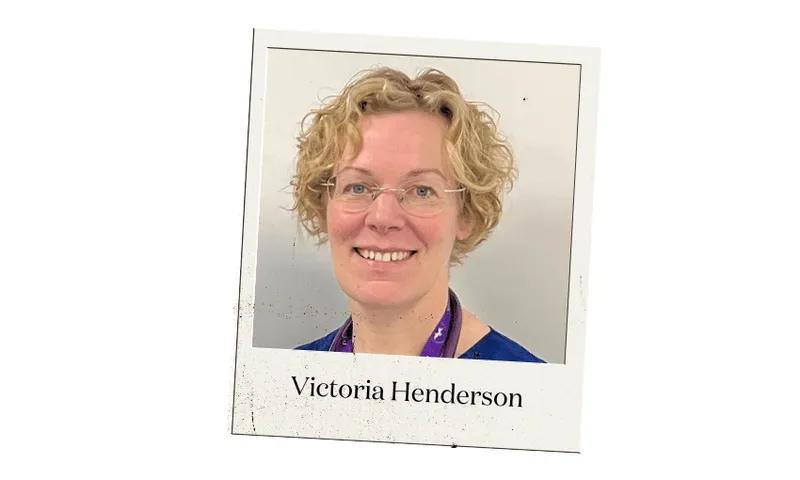
Dr Victoria Henderson, geriatrician, and clinical director for older people’s health at Whangārei Hospital, is saddened by these stories. She knows they are the experience of an increasing number of New Zealanders – this isn’t a Waikato issue. And that they will get worse as the population ages.
Research shows by the age of 70, there is a marked increase in the use of emergency services. Older adults now use ED at a higher rate than any other age group besides infants. The World Health Organisation estimates geriatric patients (defined as those over 65) now represent 20% of all visits. According to Te Whatu Ora the number of people aged over 65 attending emergency departments in New Zealand rose 45 per cent between 2016 and 2024 (from 254,046 in 2016 to 367,660).
It’s one factor in ED overcrowding becoming more frequent, potentially compounding the problems of long wait times and poor health outcomes for those who are frail. Long wait times and high noise levels can worsen health outcomes for the elderly. Crowded EDs also mean there is a risk of other infections, which will mean return visits.
But Henderson, who came to New Zealand from Scotland five years ago, says there is another option based on a Scottish and UK-wide model adopted a decade ago and now regarded as the gold standard in ED care for the elderly. She oversaw its introduction at Whangārei Hospital four years ago and is encouraging other New Zealand hospitals to follow suit.
Known as “front-door frailty care,” it involves specialised geriatric staff based in ED identifying older, frail people and rapidly assessing their needs and reasons for being there.
The aim, where possible, is to discharge the person home with wrap-around support preventing unnecessary hospital stays, which are known to be detrimental to an older person’s physical and mental health.
“There has been research in the UK that showed an older person just dipping their toe into ED, can often be the start of a downward trajectory,” says Henderson. “In hospital, they can swiftly lose confidence. Deconditioning (a decline in physical and mental functions) can happen very quickly.”
The better option, she says, is to keep them in their own home and community with the right support. “It is a holistic approach. Obviously, you have to fix the medical problem. But, if you haven’t looked at other issues that are contributing to poor health, the same problems will resurface and resurface, leading to further visits to emergency departments. And further pressure on already stretched ED staff.”
At Whangārei Hospital, a gerontologist nurse specialist (GNS) is attached to ED. If an older patient is deemed to be frail, upset or confused, she’ll do human things like make a cup of tea and try to keep things as normal as possible. She’ll help them to the toilet, give updates or reassurance and talk to them about their health.
“Some patients present with relatively minor things that they should see their GP for,” says Henderson, “But [when they present to ED] it’s the trigger or flag that we need to get involved.”
The GNS works with ED doctors to decide if the patient should be discharged.
Henderson says the involvement of a GNS gives doctors the confidence to discharge, knowing a full assessment will be made in their own home and systems put in place to support them.
“Often for ED, the easiest thing to do is admit. But that can be a terrible outcome for an older person.”
If they do need to be admitted, they go straight into an ACE unit (Acute Care for the Elderly), run by Henderson and a colleague, where they have a comprehensive geriatric assessment within 24 hours.
Henderson says that is a very different model from most acute hospitals in New Zealand. “It involves all parts of the team including nursing, physiotherapy, occupational therapy, and social work. Doing that in the first 24 hours means we can figure out the issues and how they can be fixed.”
She says the aim is to make the person’s hospital stay as short as possible. “That means rehab can be focused on those who have had strokes, surgery or broken bones rather than frail older people who have been trapped in a system they can’t get out of because they have been conditioned to be in hospital. “
A total of 2500 patients have been admitted to the ACE unit since it was established. The average length of stay is 4.3 days and re-admission rates are less than for general medicine.
Henderson says the model works well at Whangārei where there is a higher than average older population because of the climate and cost of housing. “About a third of our population is Māori, who experience frailty issues earlier. “
She believes the increase in the percentage of geriatric patients nationally warrants a national conversation about different models of care.
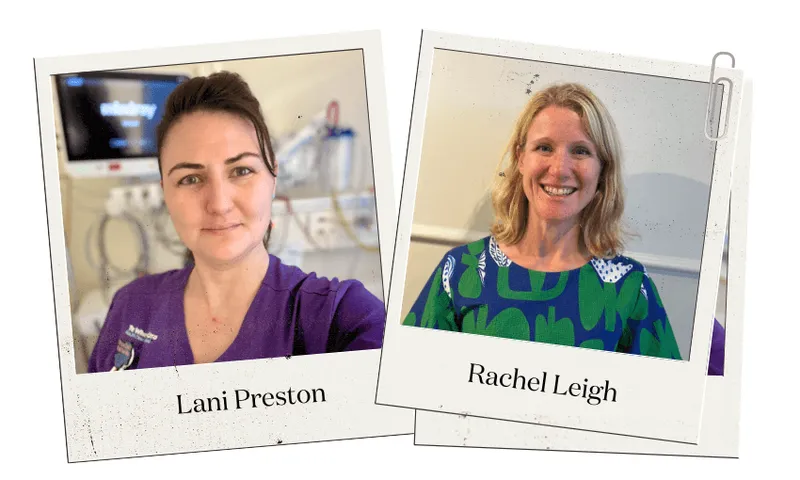
Hawke’s Bay Hospital geriatrician Dr Rachel Leigh agrees. She trained in Scotland and has seen the benefits of assigning geriatric specialists to frontline care.
Late last year she oversaw a 10-week Frailty Intervention Team (FIT) trial at Hawke’s Bay Hospital.
The hospital had run two previous trials in 2024, based on a Queensland healthcare model aimed at avoiding hospital admissions for elderly who could be cared for in their communities. The trials resulted in permanent funding for two geriatric emergency department intervention (GEDI) nurses to be attached to ED.
For the FIT trial, Rachel Leigh worked with the GEDI nurses, physiotherapists, occupational therapists and social workers to develop a model similar to that introduced by Victoria Henderson at Whangārei Hospital.
She says the results were “fabulous”.
“Hawke’s Bay has an older and more deprived population, plus a higher population of Māori and Pasifika, who develop age-related conditions earlier. The number of people coming through ED with complex needs was huge, and I realised we were failing them. Our (ED) services are set up for younger people with single organ pathology or one thing that is wrong, but the people coming through often had physical, mental health, dementia, environmental problems or social concerns and we weren’t tackling that.”
One example was when Hawke’s Bay experienced a heat wave. “We had so many people coming in with falls. Many of them were dehydrated. That was the driver of the falls.
“At other times, a person would come in with pneumonia, gastroenteritis, or a fall, but the story behind that might be that they have been suicidal for some time. The [ED] doctors are dealing with so many complexities in such high volumes they don’t have the capacity to go in and get that information. We work alongside teams that give amazing care. But we can tease out the back stories, which may include depression and anxiety.”
An example was a man aged 92, who presented with a C2 spinal fracture. “He was in pain and frightened. I deduced he had early signs of dementia. In parallel with the ED team, we can make a difference to his future health needs.”
Leigh says if an older person presents with frailty there is a golden opportunity of 72 hours to get them mobile, “otherwise their risk of dying in the next few months is high”.
GEDI clinical nurse specialist Lani Preston, who was asked to lead the trials in 2024, said the results spoke for themselves. “Over a five-month period, nearly half GEDI patients required no ED doctor time or minimal doctor time and admission rates were reduced. Over the same period, nearly 100 patients who would otherwise have been admitted were discharged due to GEDI input.”
She says the cost of having one or two specialist nurses in ED was far less than having to fund the same services in the community.
The benefits for ED doctors was also considerable. “They are now the biggest supporters of our role.”
Minister for Older People and Associate Minister of Health Casey Costello said she was aware of the Whangārei ACE model and others that “demonstrate clear benefits, including shorter hospital stays, lower readmission rates, and better patient flow.”
“There are existing systems and procedures that demonstrate innovative models of care, but they’re not part of a standardised national approach. I am committed to delivering a better service nationally.”
She said a Ministerial Advisor Group on Aged Care, who met for the first time last month, would be providing advice on how to achieve that.

Venetia Sherson
Venetia Sherson is a former daily newspaper editor and award-winning journalist who now works as a freelance writer, editor and media trainer.


