
What’s actually against the rules? And how can you keep your cool?
The idyll of suburban residential bliss is closely tied to household activities. When is it socially acceptable to fire up your leaf blower, who’s responsible for that rubbish, and should you even be parking there?
Our behaviour is shaped by the rules and common etiquette. “The law sets minimum standards. Etiquette is about what makes life bearable. You can be technically within your rights and still drive everyone around you mad,” says Citizens Advice Bureau (CAB) deputy chief executive Andrew Hubbard.
The organisation hears about a lot of it. “We field thousands of inquiries every year about barking dogs, noisy parties, overgrown trees, shared driveways, fences that are ‘definitely not where they’re meant to be’, and music that somehow gets louder after midnight.”
Too loud!
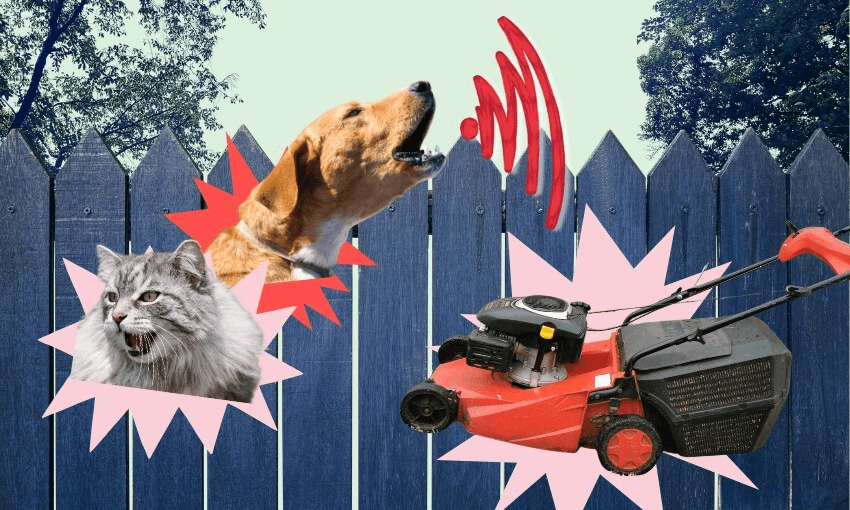
Noise tops the list of neighbourhood stresses the CAB is contacted about, and Hubbard says a quick, friendly notification goes a long way. Sound travels further than you think and frequency is a factor too. “A party once in a while is annoying; constant noise is infuriating.”
But how loud is too loud? “Excessive noise” is defined in the Resource Management Act as being under human control, occurring at a level that would disturb peace, comfort and convenience of any person, and exceeding national environmental standards. “Occupiers of land, premises or coastal marine areas” have a duty to “avoid unreasonable noise”.
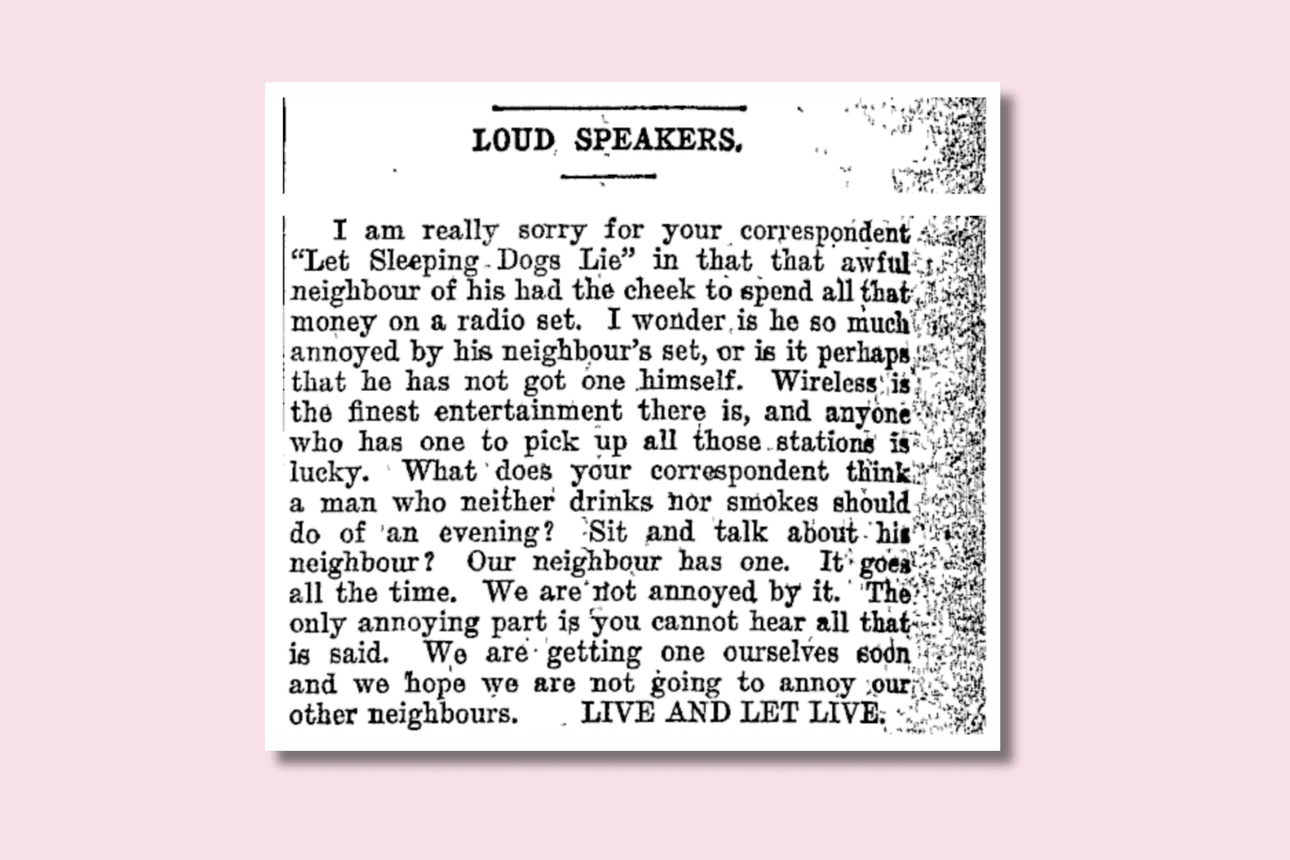
Noise complaints can be made to your council, but only at the time the noise is actually happening. These are assessed by noise control officers.
Levels for excessive noise are stipulated by an area’s District Plan. Under the Auckland Unitary Plan – which excludes traffic noise – you are allowed to exceed residential noise levels intermittently for tasks like mowing the lawn.
Too early!
As with most things, our perception of early is subjective; one person’s leisurely lie-in could be another’s crank-the-mower o’clock. “Time matters,” says Hubbard. “What feels fine at 2pm hits very differently at 10pm (or 6am).”
Hauraki District Council encourages people to limit lawnmowers and other loud gear, like chainsaws, to between 8am and 8pm. Auckland Council gives a wider window of 7am to 10pm.
Poll unavailable.
Too much beeping!
Security alarms can go off at all hours and drive people mad. In 2024 a piercing alarm in Auckland CBD disturbed residents for over a month, even though it was “within acceptable noise limits”. Consumer NZ recommends setting your burglar alarm to turn off automatically after 10 minutes.
Too much dog!
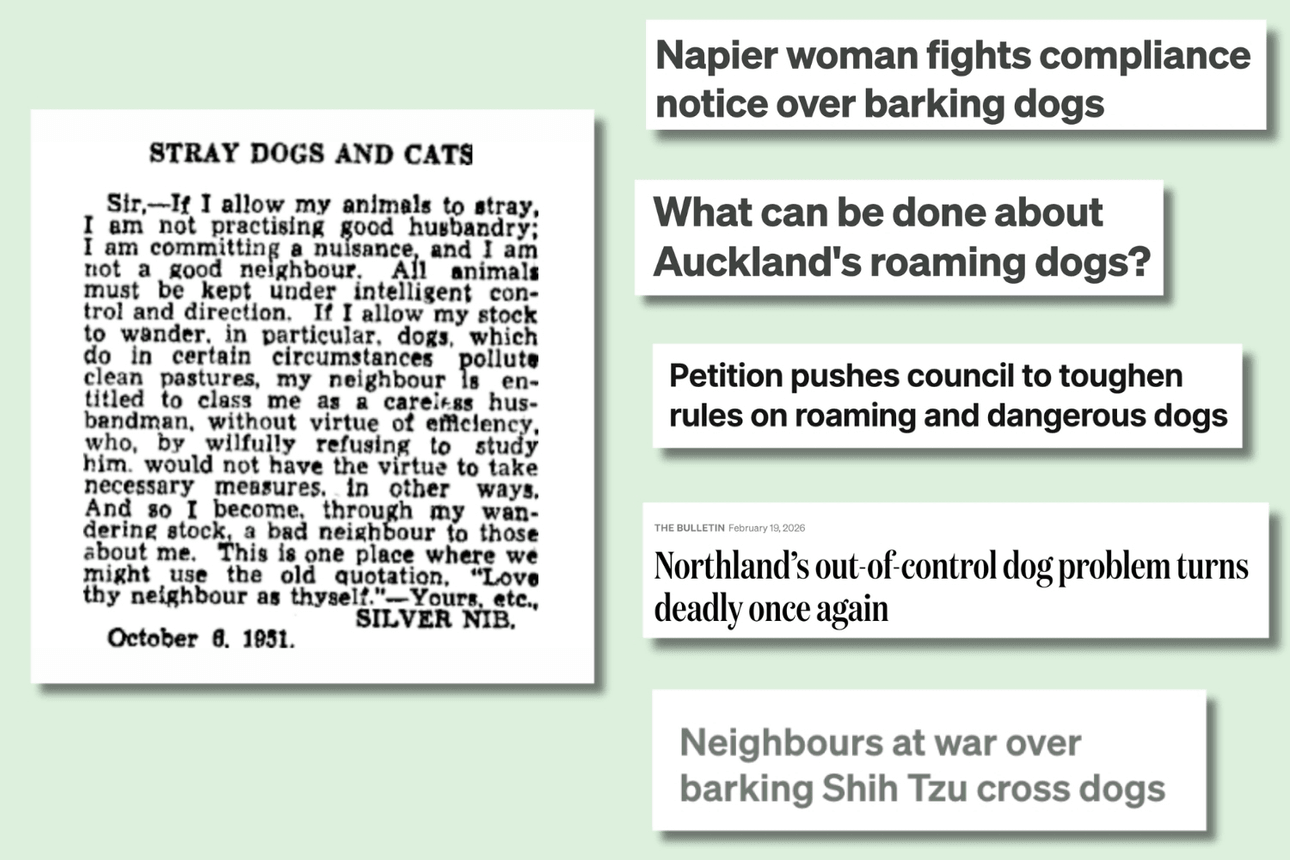
Having a dog is a big responsibility. Owners are accountable for their dogs and adhering to the Dog Control Act 1996, councils are responsible for enforcing it. Dog control officers will investigate complaints about barking dogs and may serve an infringement notice and requirements for the owner to “abate the nuisance”. Roaming dogs deemed “not under control” may be seized and either returned to the owner or impounded. Aggressive dogs have been the subject of increased scrutiny after a spate of dog attacks, leading to the government announcing a review of the “outdated” act.
Too in the way!
While parking in your own driveway and blocking the footpath is frowned upon, is it illegal? Yes, although it’s a “common misunderstanding”, according to Auckland Transport, which has been ticketing people for doing so (your driveway is your driveway on your property, but once it crosses the footpath, it’s designated as a vehicle crossing).
On-street parking is generally up for grabs, though some people feel otherwise. “We had these neighbours once who thought they had exclusive rights to the carparks on the road outside their house,” recalls Kate*.
Parking on the berm is a common source of arguments. Nelson Council banned it in 2023, but there’s no blanket ban in Auckland. Instead it’s only enforceable if there’s signage. (The Auckland Transport and Auckland Council Bylaw Panel advised it wasn’t “legally possible” for the Vehicle Use and Parking Bylaw 2025 to include “enforcement provisions to fine vehicles parking on berms”.)
Poll unavailable.
Too vroom vroom!
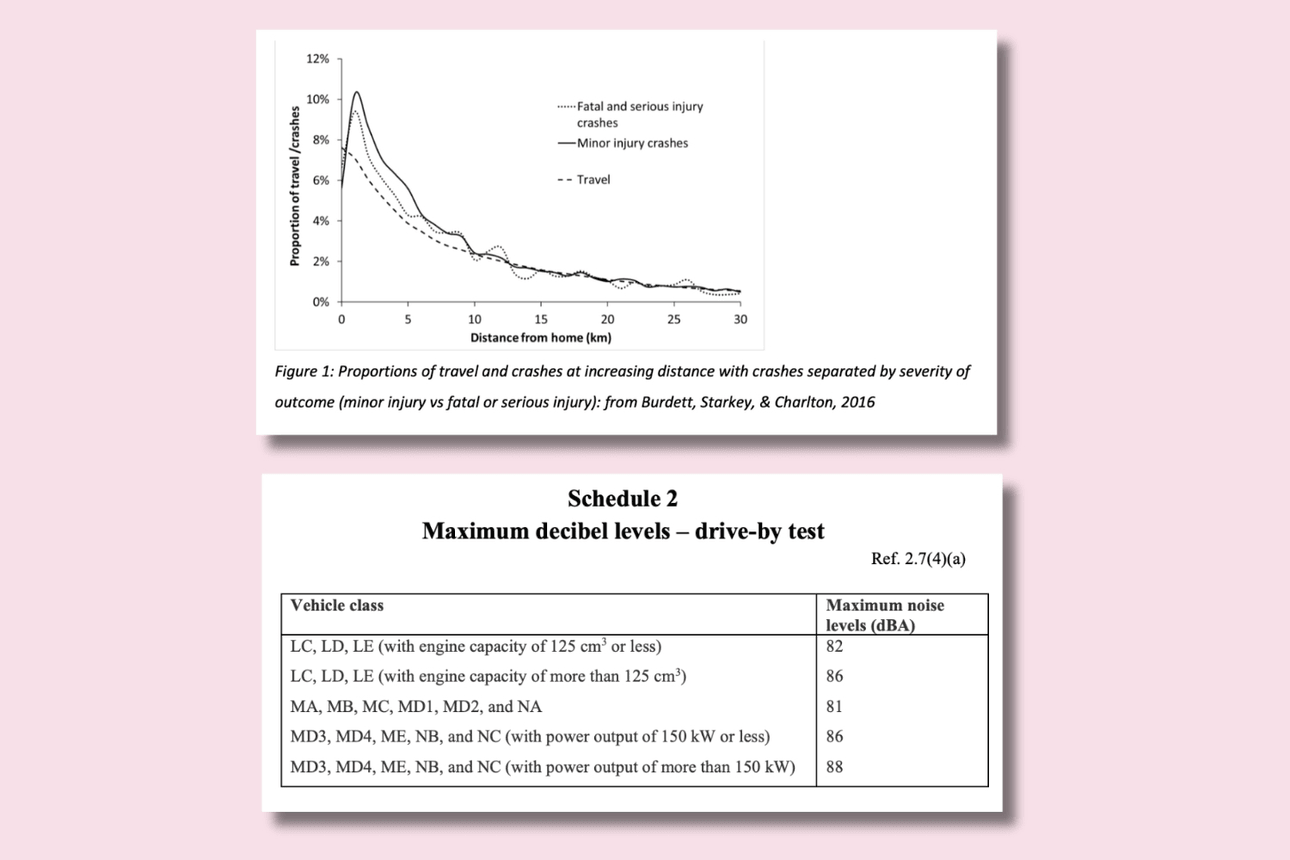
Nick* is sick of drivers speeding down the narrow road where his kids live. Most car crashes happen within 10km of New Zealand drivers’ homes and are more likely to involve a pedestrian or cyclist. Pedestrians hit at 48km/h have a 45% chance of fatality, compared to 5% at 32km/h. In 2025 the Ministry of Transport ordered the reversal of all speed limits reduced after January 2020, affecting 1,500 residential streets in Auckland.
Complaints about bone-rattling bass or loud car stereos are a matter for the police; vehicles being driven on the road are excluded from the RMA’s excessive noise clauses. Instead, the Land Transport Rules: Vehicle Equipment Amendment 2007 outlines standards for vehicle noise.
Car exhausts must fall within legal noise limits (part of a warrant of fitness). The noise output must legally not be “noticeably and significantly louder” than the manufacturer’s original exhaust system, but modified exhausts can be tested and certified.
Too much music!
Even if you’re playing your Six60 or Taylor Swift within the legal noise limits of the RMA, Community Law advises turning music “right down” after 10pm or 11pm to prevent a visit from a noise enforcement officer.
Wellingtonians living near music venues made so many noise complaints that the venues took their frustrations to the local council in 2024. “A music venue can comply with the District Plan and still face action under noise control,” according to Wellington City Council. It’s currently reviewing its noise rules, including those that apply to venues and temporary events.
Too much banging!
Construction noise is pretty necessary to build more homes. How much of it you might hear depends on where you live. In Auckland’s residential zones, the Auckland Unitary Plan permits construction-related noise – which applies to contractors and construction sites – from 7.30am to 6pm, and at a reduced level for the next two hours. Less noise is permitted on weekends. The CBD allows for a higher noise limit and longer window of time, while in commercial and industrial zones construction noise can happen at all hours of the day – though restricting factors include permits and the location of noise-sensitive places like hospitals.
Too much rubbish!
Putting rubbish or recycling in your neighbour’s bin is against the rules.
What about an old couch? While New Zealand has a long tradition of berm piles, they’re considered illegal dumping by Auckland Council.
Berms are public property, but maintaining one is the responsibility of the property owner. Lest you get any ideas about chucking in a corn plot or native tree, private plantings are “not permitted” by Auckland Transport.
Too much smoke!
Firing up the grill? Sarah*’s main gripe is getting smoked out by their neighbour’s barbecue. “But I know that’s not against the rules.” You don’t need a fire permit to crank the barbecue or the smoker, but you should check your fire danger level and location status first. While open fires are prohibited in all urban parts of Auckland, hāngī and braziers are OK depending on the season. Rural properties are a different story, but burn piles require a fire permit. Wherever you are in the country, fire, smoke and pollution are reportable, so it’s a good idea to let your neighbours and Fire and Emergency NZ know if you’re planning anything that may attract attention.
Too on the line!
Property boundaries are a fraught topic. Good thing New Zealand has the Fencing Act 1978, which lays out the joint responsibilities for building and maintaining a fence, as well as the process of notifications, objections, procedures and recourse.
Like fences, boundary trees are considered joint property. Which brings us to…
Too much growth!
Trees are a common source of neighbourhood disputes and 60% of Auckland’s canopy cover distribution is on private land.
Some people love them for privacy, while others say they obstruct the view. If you apply to the district court, they may grant an order for a trim or removal if it’s deemed “necessary to prevent an undue obstruction of a view that would otherwise be enjoyed” or is interfering with your land. Damage to your property from a next-door tree is your neighbour’s responsibility to pay for.
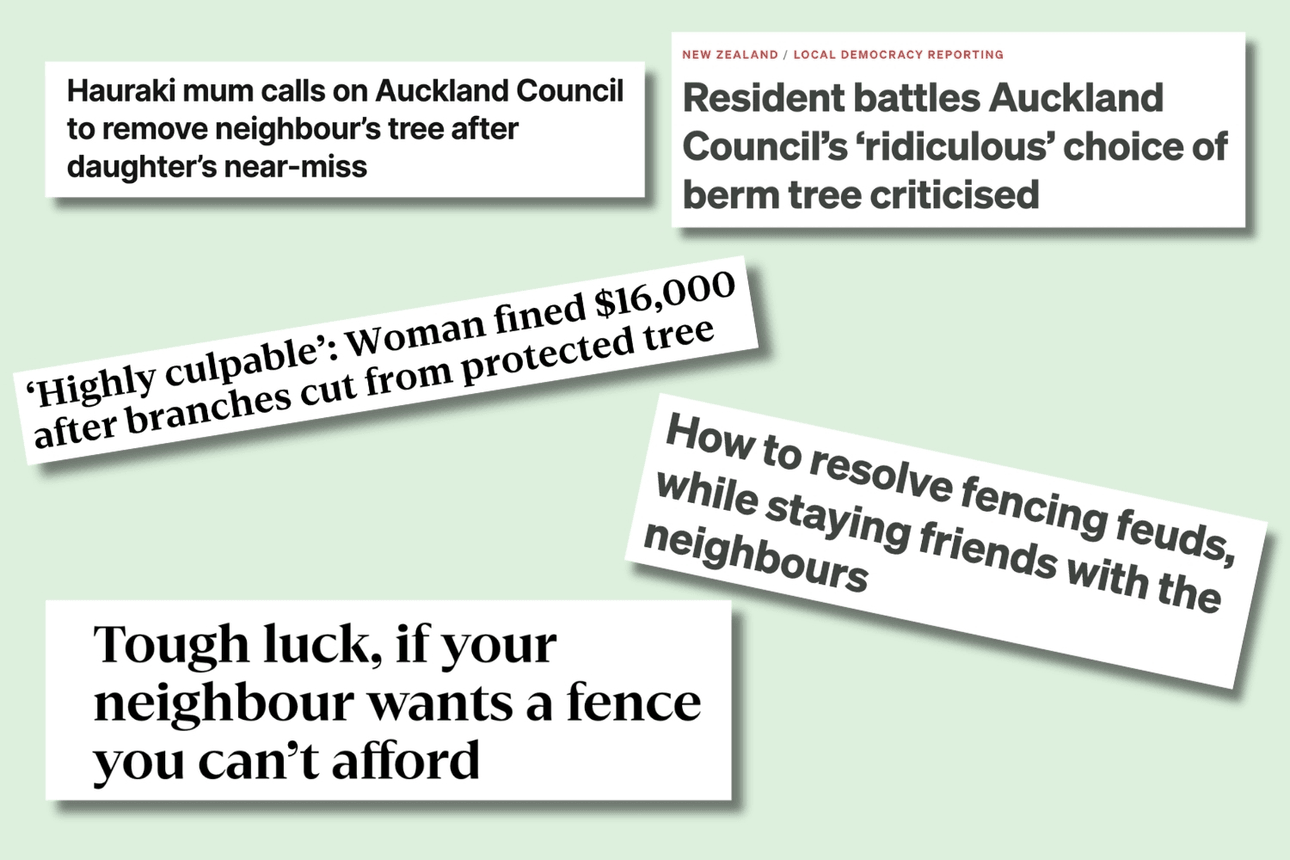
You are legally allowed to cut back branches on a neighbour’s tree if they’re encroaching onto your property, but only enough to “abate the nuisance” and not before you check if it’s protected. One Aucklander was fined $16,250 after cutting a neighbour’s listed tree.
An overgrown section will draw action from the council only if it’s a “potential health risk”. There’s not much they can do about derelict houses either.
So, how can you keep the peace?
Common etiquette plays an important role in maintaining the harmony of a neighbourhood and helps prevent situations from escalating. CAB’s Andrew Hubbard describes it as “social glue” and an unspoken agreement around how we live our lives. “It’s mostly small things done consistently.” Things like:
- Giving neighbours a heads‑up before a party.
- Keeping dogs entertained during the day so they’re not barking.
- Not mowing the lawn at dawn.
- Talking to your neighbour before building, trimming, fixing or changing anything that sits on or near a boundary.
- Keeping driveways, paths, and accessways clear.
“None of this is written down anywhere. That’s the point,” he says. “When etiquette works, you never hear about it. When it doesn’t, CAB phones start ringing.” They encourage a “softly, softly” approach to handling issues, like talking to your neighbour before involving the council.
Neighbourly strife usually comes down to mismatched expectations rather than bad intentions. “What counts as normal depends on where you’ve lived before, how close your neighbours were, whether you grew up in a dense city, a small town, or somewhere rural where a chainsaw at 7am barely registers,” says Hubbard. “Add different work hours, different cultures, different tolerances for noise or mess, and suddenly everyone thinks they’re being reasonable and the other person is being a menace.” That gap in expectations is where resentment grows, often outliving the original issue. He recommends assuming ignorance rather than malice. “Most people genuinely don’t realise the impact of what they’re doing.” And pick your battles. “Not every irritation needs addressing.”
*Names have been changed to prevent Neighbours at War season nine.