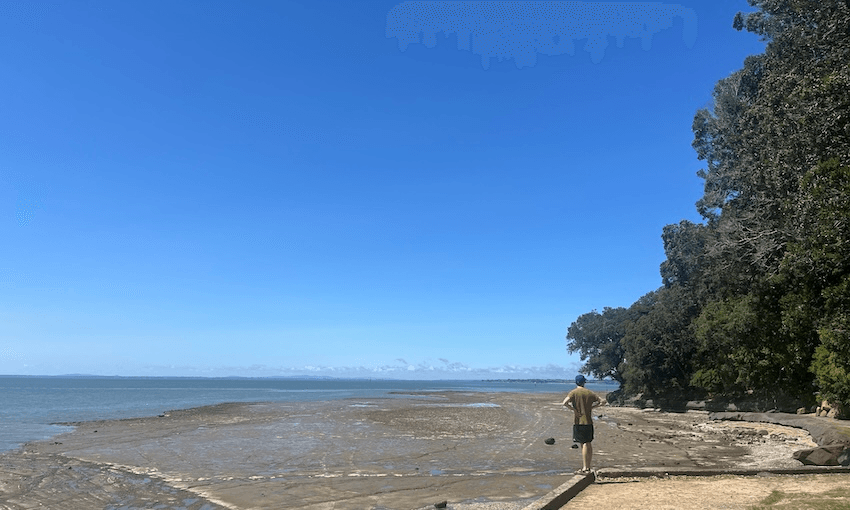

It turns out Auckland actually works just fine – all it takes is half a million of us leaving.
Auckland is, undeniably, a summer city. Built as if winter does not exist – the basis of our housing stock is a hundred years of drafty, poorly insulated villas – we don’t deal well with the months May through November. But in the heat of January, we find the version of the city we always aspire to be.
And yet, every year, up to around 500,000 Aucklanders – a rough calculation based on increased airport departures and decreased motorway and public transport usage – flee just as the city is coming into its own. They desert it for baches, campgrounds and family reunions in The Regions, only to return once the inescapable forces of paid labour demand our presence. By the time you’ve returned to your desk – likely this week, though the mind takes at least another week or so to follow – you’ve missed the best days the city has to offer.
Traffic
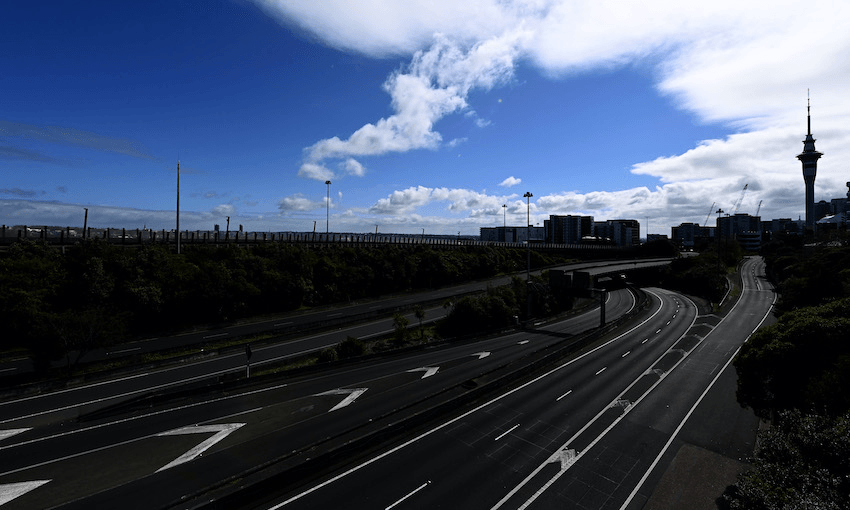
Out on the main routes south and north, the annual pilgrimage often created its own familiar standstill. But within the city itself, the arterial roads ran freely. Historically, inner-city traffic volumes drop by up to 30% from late December to mid January. For three weeks, the motorways were the efficient transit routes they were always promised to be.
Parking
And when you arrived, your reward was a higher-than-usual chance of a waiting park. You could drive to a cafe, park right out front, and be inside with a matcha latte before a February commuter would have even finished their first lap of the block.
The harbour
There is one glaring exception: the Waiheke ferry. With Aucklanders gone, tourists partially fill the void, and they all want to go to Waiheke. But the rest of the Hauraki Gulf revealed its quiet appeal. The weekday commuter ferries to Devonport or Hobsonville Point were practically private charters. Those who stayed could sail across the harbour for the price of a Hop card ride.
Eating (and maybe drinking) out
Yes, the hospitality industry’s struggles are well-documented (only the media industry’s woes are more covered by the media). And yes, the most popular restaurants still book out. But over the break, a window opened. While many places shuttered (see Emma Gleason’s holiday hours roundup of some of the best and coolest places to eat and drink), those that remained open provided something you can’t buy: easy walk-in tables at even the busiest times.
Tennis
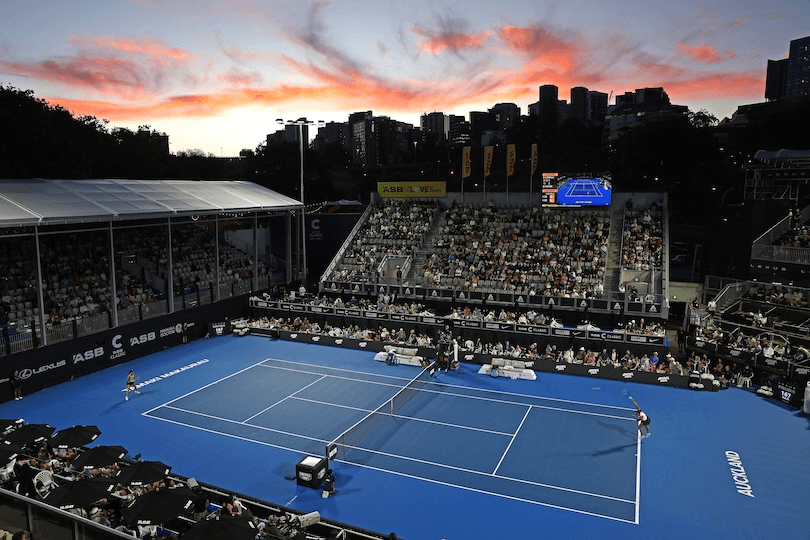
The ASB Classic is one of the best sporting events on the calendar. We’re lucky to have it. Not only is it held at a relatively small venue – even the worst seats are much better than what you’d get at most tournaments – given its proximity to the Australian Open, the calibre of talent is higher than most tournaments at this level and prize pool.
If you haven’t been already, you’ve already missed the women’s tournament won by Elina Svitolina (world no 13) on Sunday. But there’s still the men’s tournament, with Ben Shelton (world no 8) and Casper Ruud (no 12), both of whom will want a good run up to Melbourne where they’ll expect to go deep in the first grand slam of the year. If you’re one of those who can log in from anywhere, you should take in a day session, otherwise the two-match night sessions might be the best afterwork entertainment available this week to reward yourself for clocking back in.
Back to reality
Of course, this sunny idyll was always parasitic and unsustainable. The ease we enjoyed was purchased by the absence of hundreds of thousands of workers, consumers and citizens. The closed restaurants meant no revenue for owners and no wages for part-time staff. The quiet streets meant less commerce. The city “working” in this way is a brutal paradox – it functions best for the individual when its collective economic engine is in neutral (I’ll leave the polemic on whether our traditional long summer break correlates or causes our underwhelming economic productivity to others).
Still… this parallel-universe Auckland, one that could never be permanent, makes the return to the real one all the more jarring. And as you read this, the seasonal return is under way. The humidity is thickening. The traffic is picking up (and will slow down further when school goes back). Perhaps the rail replacement bus, in full force while the CRL is in its “last big push”, is your new, slower-than-usual commute. The 45-minute wait for a table at our most popular eateries has been reinstated. You have returned just in time for the city to regain its familiar volume, crowd and friction. You successfully avoided the fleeting, three-week miracle when Auckland actually functioned.
Congratulations. You missed it.