Jevon McSkimming and the myth of the perfect victim

Alex Casey speaks to sexual violence experts about the Jevon McSkimming case and the pervasive myth of the perfect victim.
After interviewing many survivors of sexual violence in my work for The Spinoff, the one thing I can say with certainty is that none of them ever present in the same way. I’ve sat with women in their own homes who can barely speak about what has happened to them, while others have no trouble going into every detail in the corner of a bustling CBD cafe. There can be rivers of silent tears, but there can also be the darkest, most uproarious jokes you can ever imagine.
I thought of all these women while I was reading through the IPCA report which found serious misconduct over how police handled accusations of sexual offending by the former deputy commissioner Jevon McSkimming. The complainant, Ms Z, raised concerns including allegations of sexual assault for six years through various channels until the police finally opened an investigation in late 2024. While it was found that there was insufficient evidence to charge McSkimming, the focus of the IPCA was the “significant failings” by police in responding to the complaints at all.
In the report, it is clear that McSkimming built a narrative around Ms Z early on – “that he had been in a consensual extramarital affair and that, when he ended it, the female began a campaign of emails and threats.” The woman is described by his colleagues as “out of hand” and “scorned”, while her complaints of sexual violence are characterised as “rantings and allegations”, “gobbledygook” and “complete spam”. Then-deputy commissioner Tania Kura even described the situation as “what happens when people are scorned”, adding “and men are usually the victims of that”.
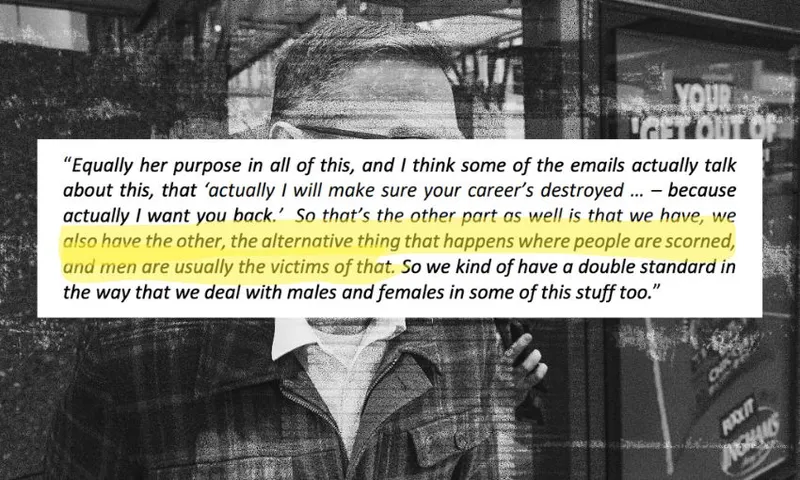
One of the most damning interview excerpts comes from a Ms F, who is executive director for service, victims and resolution within police, describing Ms Z’s 105 reports about McSkimming. “It did not look like someone who had a serious complaint. That looked like someone just wanted to spam us with stuff to be really annoying,” she said. “If I think about the victims that I have seen 105 reports coming, they don’t read like that. They are way more reserved in how they express some things and … the vulnerability of the uncertainness of how to tell people things is what we see.”
The pervasiveness of this “perfect victim” myth in the report – the idea that a victim of sexual violence presents a certain way – was disappointing but not surprising to a number of experts in sexual violence. Jan Jordan, emerita professor at Te Herenga Waka, authored “True lies and false truths: Women, rape and the police” two decades ago, and unearthed harmful beliefs that she says still persist today. “What I found is that there’s a greater willingness to think women are lying about sexual violence, than there is a preparedness to accept that they might be telling the truth.”
Having studied attitudes to sexual violence for nearly 40 years, Jordan says not much has changed in present-day Aotearoa. “One of the things that still comes through in my research is that we still hold victims to quite a narrow stereotype – people want to see someone who has been ruined by rape, who’s been traumatised, who’s weak and who looks it.” Just last year, a study by Manaaki Tangata (Victim Support), found that many survivors of sexual violence in Aotearoa did not feel like they fitted the “ideal victim” role and worried that it impacted their credibility.
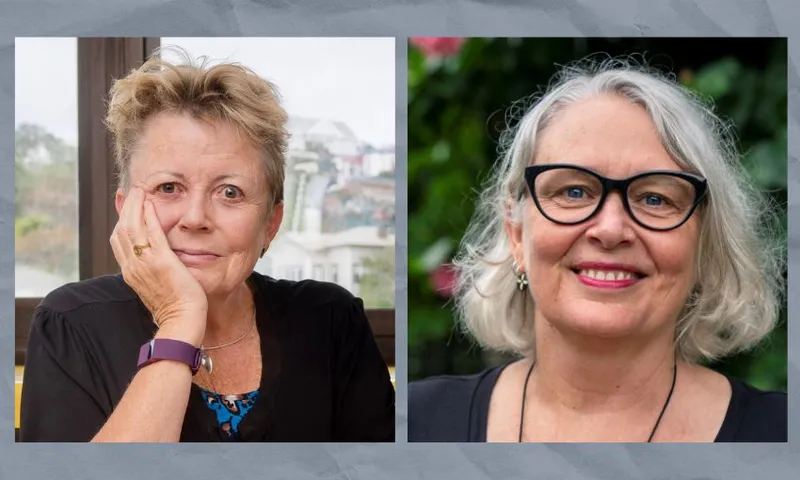
Kathryn McPhillips, executive director at sexual abuse support service Help, says that Ms Z was put in an impossible position. “She was up against one of the most powerful people in a massively powerful institution. Any idea that she could have done this in a way that people expect a ‘normal’ victim to behave is just really not understanding the power dynamics of it all.” McPhillips adds that trauma can be expressed in countless ways. “This expectation that we have that victims must present as vulnerable, as timid, and delicate is just really dangerous.”
The characterisation of Ms Z as a scorned woman, hellbent on vengeance, is another narrative that McPhillips sees frequently in Help’s frontline work with survivors. “I think it’s very convenient, and people use it to just minimise and invisibilise,” she says. “It’s a really damaging idea that just speaks to a fundamental distrust of women, and that our emotions are too much. Women are not allowed to be angry, regardless of the validity of that anger because somebody has hurt them. An angry woman is still not held up as somebody to respect in our society.”
The IPCA flagged this attitude – essentially that Ms Z presented as too angry for her complaint to be taken seriously – as an area of serious concern in the report. “Some within police failed to recognise that a possible victim of sexual assault, who had allegedly been told for years by a very senior police officer that she would not be listened to (and that explicit images of her might be distributed) if she tried to complain, might present as a desperate person sending sometimes extreme and abusive emails in an attempt to be heard.”
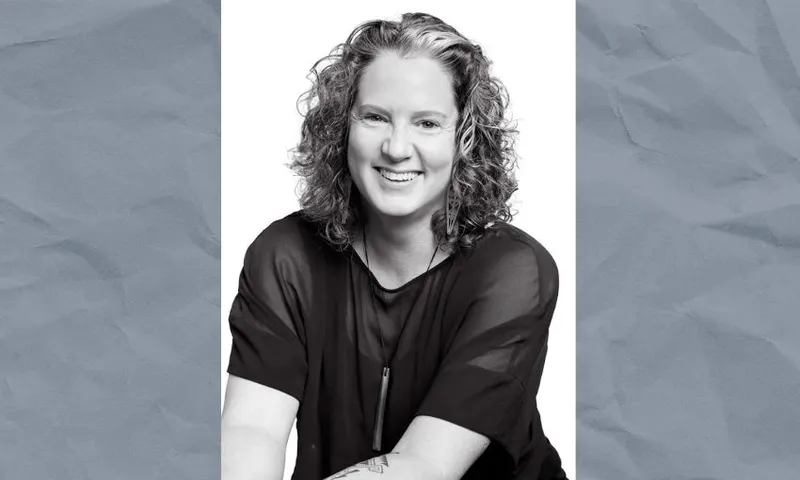
Charlotte Moore, kaiwhakahaere at violence research centre Vine, adds that the harmful myths still out there are not just about victims, but about perpetrators too. “We can’t tell from the outside what a sexual violence perpetrator looks like,” she says. “When you add layers of seniority and positions of power on top of that, then there’s those assumptions that they’re more credible, more articulate, and that their story sounds plausible – especially when you contrast it to a young woman who might be experiencing quite a lot of trauma in terms of trying to have her voice heard.”
Moore’s concern is that seeing this sort of biased language deployed in such a high profile case, especially one that occurred within police, could discourage other victims speaking out. “There’s already massive under reporting of sexual violence, so these really public instances where you young women are not believed and organisations wrap around their own and try and protect those people as much as possible, at the cost of the victim, can have a massive deterrent impact on women feeling that they’re going to get a fair hearing or any kind of justice.”
Beyond the police, experts flagged that there remains a broader need for more education around sexual violence and power dynamics in Aotearoa. This year’s gender attitudes survey found that 40% of men agreed that false rape accusations are common, with 17% of New Zealanders still believing that if someone is raped when they’re drunk they’re responsible for it, and 11% believing that if someone doesn’t physically fight back you can’t call it rape. Pair that with the narrowing of our sexuality and relationship curriculum, and it’s not hard to feel like we are regressing.
“There is not a steady, progressive move towards ending sexual violence and listening to women, and encouraging speaking out,” says Jordan. “We get these movements like #MeToo that look like they’re moments of optimism and change, but every time there are gains, there is always some kind of backlash.” If anything, she hopes this case will give rise to wider conversations about why we still tend to support the rights of men over hearing the experiences of women. “Hopefully this will give us some incentive to actually go that bit further,” she says.
“Because there’s an awful long way still to go.”

Alex Casey
Alex Casey is a senior writer at The Spinoff with over a decade of experience writing about popular culture and social issues in Aotearoa. She lives in Ōtautahi and likes watching reality TV and walking the dog, occasionally at the same time.


