NZ teachers can legally have sex with students over 16. Is it time for change?

Advocates in the teaching space are calling for the age of consent be raised to 18 in situations involving trusted adults.
Advocate Carmel McGill Wright spent much of her time as a student unknowingly in the orbit of men who would abuse their teaching positions. At high school, she was taught by two teachers who would later be struck off the teaching register for having sexual relationships with their students. Later at university, her lecturer resigned amid allegations of sexual misconduct involving his students, and was also found to have targeted a number of teenage students in another teaching position over two decades prior.
“It’s all stayed with me for years,” she says. “You just feel so gross.” That discomfort only grew when she trained to become a teacher herself, and became “devastatingly” aware of the power dynamics at play between teachers and their students. “I would look out at these young people that so desperately need love and protection and just feel so horrified by the fact that someone could ever think it was appropriate to have a sexual relationship with them,” she says. “It just felt like such a deep betrayal of the ethics of being a teacher.”

Now, McGill Wright is leading the charge on calls to amend consent laws in Aotearoa, starting with a petition. Currently, the age of legal consent is 16 years old, which she says is “deeply inadequate” when it comes to safeguarding young people in situations involving trusted adults like teachers, coaches, pastors and counsellors. “Supposedly you can legally consent at the age of 16, but when you have a power dynamic involving someone like a teacher, it’s obviously different,” she says.
While teachers, doctors and others can face professional disciplinary tribunals that may see them stripped of registrations or licences, they cannot face criminal charges for sexual relationships with over-16s. “There is quite a bad loophole here, and everybody else has fixed it,” says McGill Wright.
Just last month, the NZ Herald revealed that there have been 125 instances of inappropriate relationships between teachers and students found by the Teachers’ Disciplinary Tribunal over the last two decades in Aotearoa.
Overseas, many countries have already raised the age of consent in situations involving trusted adults. In 2003 the United Kingdom made it a criminal offence for an adult in a “position of trust”, including teachers, coaches, social workers and doctors, to participate in sexual activity with someone under the age of 18. In Australia, every state has now criminalised sexual activity between 16 -and 17-year-olds and trusted adults, and Canadian law states anyone under 18 “cannot consent to sexual activity if their sexual partner is in a position of trust”.

The team behind Tika, New Zealand’s first legal charity dedicated to fighting sexual harm, are supportive of legislative change to amend the age of consent involving trusted adults. Former journalist and Tika co-founder Alison Mau investigated a number of cases of sexual misconduct by teachers while at the helm of #MeTooNZ for Stuff, and tells The Spinoff she found consistent evidence of grooming tactics. “All of the students were vulnerable in some way, which made them particularly susceptible to the teacher’s predation,” she says.
After almost every story of this nature was published during the #MeTooNZ project, Mau says other survivors of the same teacher would come forward. “That knowledge can weigh heavily on a young person – they often feel a sense of responsibility that others might also get hurt. But fear, shame, isolation and the power imbalance makes it impossible for them to speak up,” she says. “We have seen the same pattern with others who hold a position of power and influence – sports coaches, youth club leaders, church and community leaders.”
Zoë Lawton, Tika co-founder and chief legal counsel, says that the definition of “trusted adult” in the Crimes Act would be crucial should an amendment be made in the future. “That definition would need to be crystal clear to prevent unnecessary delays in proceedings, via an argument that the the defendant does not fall within the definition of ‘trusted adult’, or opening up an avenue to appeal,” she says.
Another advocate calling for change is Jeni Little, a music teacher of nearly four decades and the founder of Safer Spaces in Music Education, a hub of resources for both teachers and students to assist in the prevention of sexual harm. She tells The Spinoff that Aotearoa is “falling behind” the rest of the world. “When I think back to all the harmed people that I know of, so many of them landed in that 16- or 17-year-old space. It is incredible that the age of consent here is still 16, done and dusted, without any consideration of the imbalance of power.”
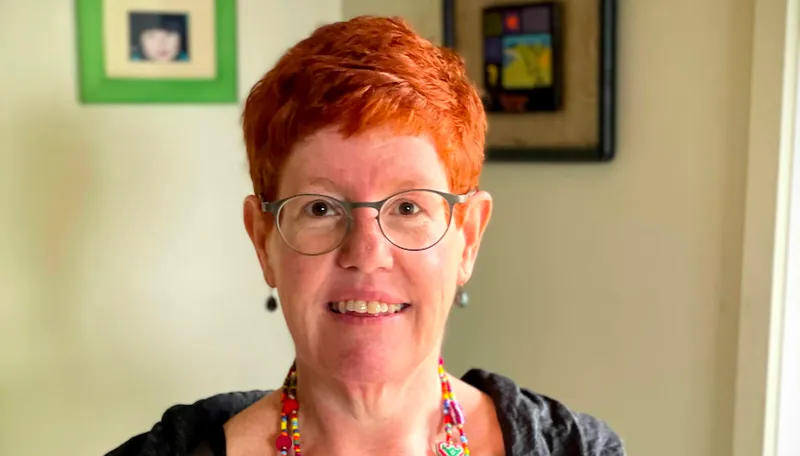
Particularly in the music education space, Little says the learning can often happen in smaller spaces and groups, leading to a sense of intimacy that can be exploited. “The lines can easily get blurred, especially if you’re getting special attention from this person that you massively respect – it’s very flattering,” she says. “People need to understand that power imbalance is huge and there’s lots of leverage that people in positions of trust can use, whether it is marks, or favours, or getting a certain role in an ensemble or production.”
Beyond the “absolutely urgent” law change, Little would also like to see more robust child protection training measures in place for teachers. “I think it should be mandatory for all teachers to do some Safer Spaces training [about preventing sexual harm]. It’s as important as having your first aid certificate.” McGill Wright agrees, so much so that she is now designing a safeguarding training program as a part of her master’s. “Duty of care is in our teaching standards, but there’s nothing else. I’m so horrified that it doesn’t exist.”
The Spinoff approached justice minister Paul Goldsmith for comment on whether the government is planning to review the age of consent, and is awaiting a response. In the meantime, Wright’s petition has nearly 500 signatures. “At least it’s started the conversation, because this is the last loophole that is left, and it’s not preventing the terrible number of incidents reported to the Teaching Council,” she says. “We need to combat it more, and we need to help people understand power dynamics.
“You just have to think: 40-year-old teacher, 17-year-old girl. Doesn’t that feel gross to you?”

Alex Casey
Alex Casey is a senior writer at The Spinoff with over a decade of experience writing about popular culture and social issues in Aotearoa. She lives in Ōtautahi and likes watching reality TV and walking the dog, occasionally at the same time.


