Pacific profiles: combat sports law expert Adeleina Loto-Meleisea

Made with the support of
The Pacific profiles series shines a light on Pacific people in Aotearoa doing interesting and important work in their communities, as nominated by members of the public. Today, combat sports law expert Adeleina Loto-Meleisea.
All photos by Geoffery Matautia.
Adeleina Loto-Meleisea is on a mission to become Aotearoa’s expert in combat sports law and regulation. The die-hard Warriors fan and founder of Cornerman Sports Advisory spoke with me about how her passion for sports and law began 20 years ago on the rugby league sidelines, her changing metrics of success, and what it means to serve her community.
Tell me about your family and where you’re from.
I’m Samoan, but like most Pacific island families, my family is a mixed bag. My great-grandfather was Samoan-German, and my great-grandmother was Fijian-Samoan. My grandparents met in New Zealand in the 1970s. My mum and grandma raised me with the help of my uncle. My mum’s side is from Lynfield, and my dad’s side is from Mt Roskill, and I grew up as an only child in Sandringham.
My mum was a teacher and she always taught out south, so from year two I did all my schooling in Manurewa – I’m a proud Manurewa High girl. I consider myself a child of Central and a student of Southside.
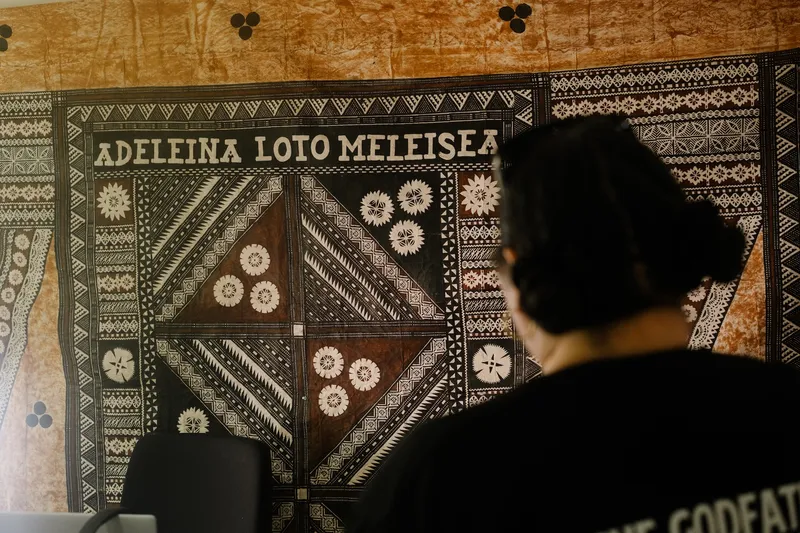
Before we get into your work in sports advising, were you a sporty kid growing up?
I grew up around sports. My family is big into rugby league, and my longest and most unhealthy relationship is with the New Zealand Warriors [laughs]. My mum played for the Māngere East Hawks at a representative level. She tried to get me to play, but I wasn’t interested in getting on the field. When I was 11, she said, “If you’re gonna hang around here, make yourself useful” and handed me a clipboard. I guess that’s where my sports admin career began – 20 years ago on the sideline.
What sparked your interest in sports law and regulation?
Before I started university, I went on a school trip to Cambodia. It was the first time I saw poverty on that scale. I decided then and there that I wanted to be involved in human rights law, and I designed my law degree to facilitate my dream of saving the world. I was trying to be the person to save my community, stop poverty, stop injustice, all of that.
When I graduated, I worked at the Human Rights Commission and then the Manukau Public Defence Service. The plan was working. I loved the job, but it was emotionally draining to see people on the court list that I knew from school or who were family. It took a toll. So I quit, but then we went straight into our first lockdown.
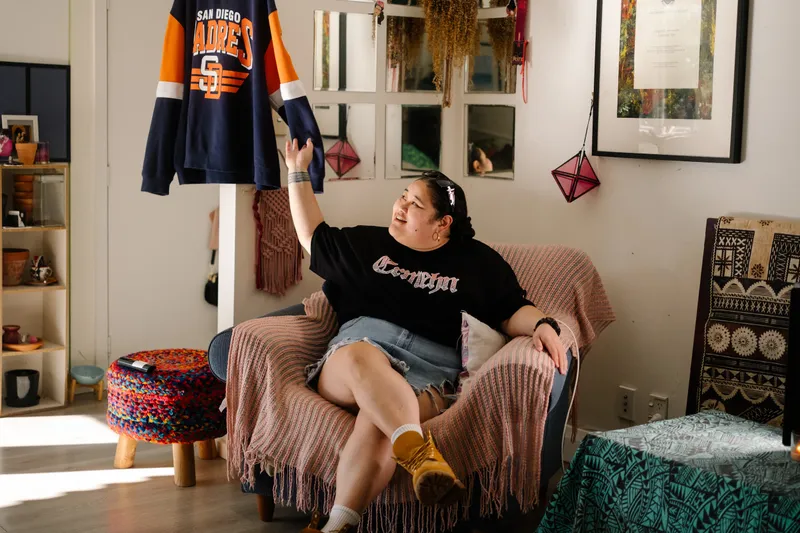
For the first time, I felt like I had failed. I was forced to ask myself what I really wanted to do. Funnily enough, I found an online diary entry from 2016. I’m a dramatic blogger, and in my last semester of law school, I wrote an entry about going into sports law and made a list of all the sports lawyers in New Zealand. I completely forgot the list existed, but I took it as a sign.
I was always involved in sports admin alongside my “saving the world studies”, and I had the epiphany that the only thing I enjoyed in my week was my voluntary sports admin. So I thought, what if I put sports and law together? It all started to make sense. But because I had no commercial law experience, no one gave me a foot in the door. So, I started my Masters in commercial and Corporate law and got involved in the Australia and New Zealand Sports Law Association, connecting with people, and then approaching organisations who might benefit from someone with legal experience in structures and sports governance. That’s how I came into consultancy.
How would you explain your work?
I’m a consultant, working with small to medium-sized sports organisations in New Zealand to help them level up and grow their organisation. There are so many organisations, often run by passionate sportspeople, who have no governance or legal experience. I work mainly with non-mainstream sports that don’t attract traditional funding, media or government interest. I help them put structures in place.
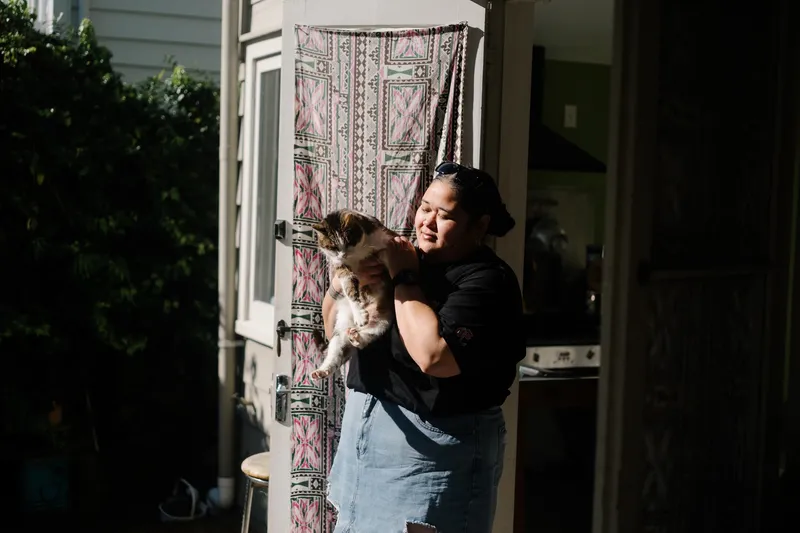
There are many sports outside the big ones – for example, MMA is a billion-dollar industry overseas and is engaged by millions worldwide. There’s no question that it has money, but it isn’t a mainstream sport here (yet), even though we have produced world-class MMA athletes for a long time. That success is because of the people in the gym – the coaches, the fighters, the supporters – they built that. It wasn’t like our national sporting bodies said, “Hey, let’s put money into this!” But there’s an obvious regulation gap, as it’s not covered by the Boxing and Wrestling Act 1981.
So that’s where you come in?
What I realised throughout my research was that to get the commercial stuff happening, you need regulation. Some might disagree with me, but regulation tends to enable commerce. There’s no way to build a sustainable business for these types of sports without getting some regulation in place. Even among the top sports lawyers in Australia and Aotearoa, there’s still a strong disinterest in combat sports. It’s great for me because I’m a passionate fan.
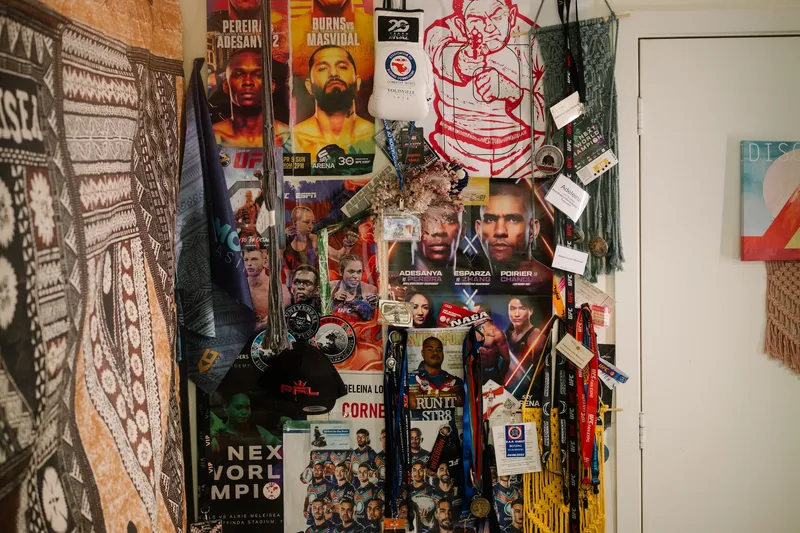
When you say regulation, I suspect people immediately get scared and think it’s all red tape. What do you say to that?
Regulation for combat sports boils down to safety and integrity. I come at it asking – what standards are in place to ensure our fighters, coaches, referees, judges, and the spectators are participating in a safe place? And who has the authority to create a space, like a fight showcase, where people can compete and know that they will be judged to a fair, impartial standard?
What’s the response been like from the combat sports community?
It’s been a mixed bag. And I get it, because when you and your colleagues have built something from the ground up, the idea of external bodies deciding its future can feel threatening. Especially if those people don’t understand the sport. That’s not my approach. It’s a massive community, and many before me have fought for MMA and kickboxing to be better regulated.
First off, I want to see where everyone is with the idea. I do a lot of market research. Last year, I spent five months in the USA meeting with anyone in the combat sports law community – I visited lawyers, managers and athletic commissions to get a sense of how they navigated the regulatory terrain. Las Vegas is the combat sports regulatory capital of the world, and it’s that work which made the UFC possible. It was an amazing trip. I got to talk to Marc Ratner – head of UFC’s regulatory affairs – and connected with New Zealander Ray Sefo, who is the president of the World Series Fighting. I wanted to see what works, what might work, and what won’t work. Any system has to be adapted for Aotearoa’s unique environment.
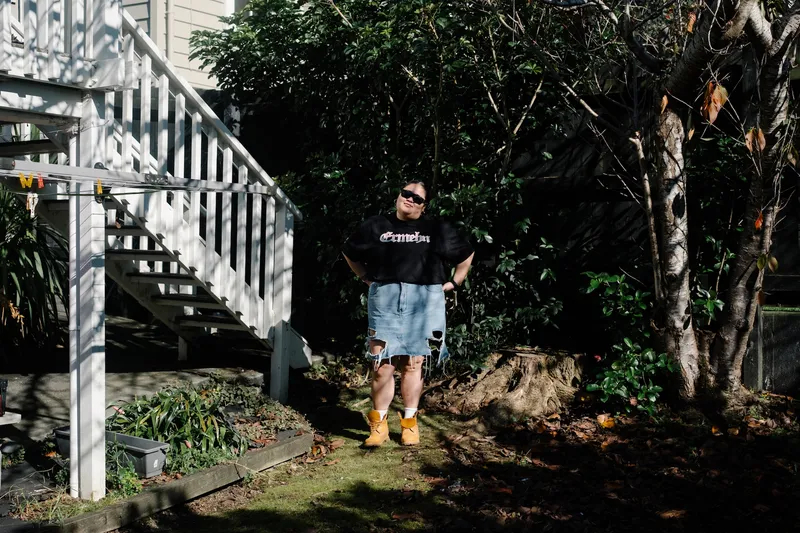
Circling back to that grand plan you held for yourself in law school, what’s changed?
It’s so different to what it was 10 years ago. For me now, success is if I can pay my bills, have time for family, travel and attend sports events. Those are my four factors of success and happiness. My vision, always, is to uplift our sporting communities as I see the good they do, how they can grow, and what we can achieve. With combat sports law, it’s no secret that the demographics are predominantly Māori and Pasifika, so anything to do with the sport’s systems and structures is gonna impact us. I realised that because of that, I’m doing what I set out to do in the beginning of my legal journey, which is to help my community, but I’ve achieved it with work I truly enjoy.
This is Public Interest Journalism funded by NZ On Air.

Litia Tuiburelevu
Litia Tuiburelevu is a professional teaching fellow at the University of Auckland’s Faculty of Law, overseeing the Pacific law students’ academic programme. She teaches an elective course titled “Pacific Peoples and the Law: Critical Perspectives” and is also interested in film and photography.


